Parent Tips for Building School-Therapist Teams

Practical steps for parents to build school‑therapist teams: clear communication, IEP/504 tips, neurodiversity‑affirming supports, and regular check‑ins.
ADHD Parenting Tips for Neurodiverse Families
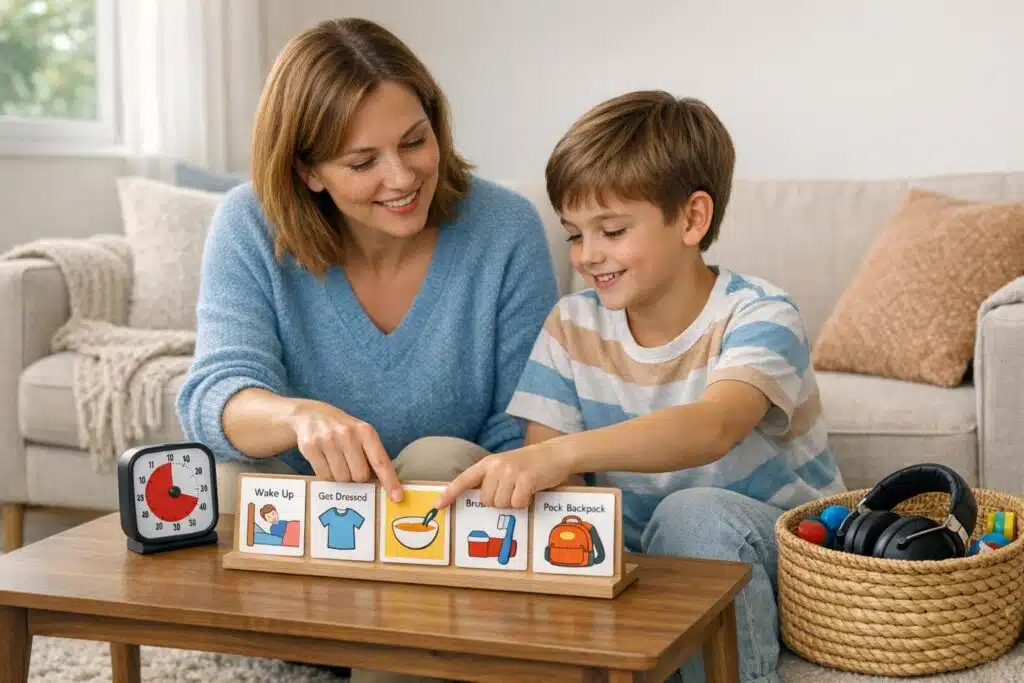
Compassionate, practical ADHD parenting strategies: routines, visual aids, task breakdowns, sensory-friendly spaces, caregiver consistency.
Trauma Recovery: Role of Family Systems

Explores how family systems, open communication and therapies like IFS and CBCT support trauma recovery, reducing PTSD, anxiety and caregiver stress.
Overcoming Betrayal: Biblical Solutions for Restoring Trust

Faith-based roadmap: repentance, forgiveness, and radical transparency to rebuild marriage trust after betrayal.
Study: Trust Dynamics in Neurodiverse Relationships

Neurodiverse couples face trust gaps from communication and sensory differences; practical strategies and neurodiversity‑informed therapy can rebuild connection.
Trauma-Informed Family Therapy: Goal-Setting Tips

Practical tips for setting trauma-informed family therapy goals: establish safety, use SMART objectives, balance short- and long-term steps, and track progress.
Emotional Support for OCPD-Neurodivergent Couples

Practical strategies to reduce conflict and build emotional safety and connection when one partner has OCPD and the other is neurodivergent.
Trust Issues in Marriage After Childhood Abuse

How childhood abuse undermines trust in marriage—and practical steps (therapy, clearer communication, consistent small actions) to rebuild safety and intimacy.
How to Communicate Effectively in High-Stress Co-Parenting

Practical strategies for communicating with a high-conflict co-parent: set boundaries, use neutral child-focused language, use co-parenting apps, keep records, and manage emotions.
How Family Therapy Improves Trauma Communication

Family therapy restores communication after trauma with active listening, emotional safety, trust-building, and child-centered techniques.
Q&A: Managing Conflict in Addiction Recovery

Practical strategies for recognizing triggers, improving communication, rebuilding trust, and using therapy to manage conflict during addiction recovery.
Study: Conflict Resolution Improves Recovery Outcomes

Couples who learn conflict resolution through behavioral couples therapy show higher abstinence, better relationships, and reduced relapse risk.
Top Bible Verses for Couples in Addiction Recovery

Scriptures and counseling tips to help couples rebuild trust, resist temptation, and support long-term addiction recovery together.
Trauma Recovery for Better Conflict Resolution

How healing childhood trauma improves emotional regulation, communication, and trust to help you resolve conflicts with more empathy and clarity.
How to Find the Best Marriage Counselor for You

Learn how to choose a licensed marriage counselor, what to look for, and tips to find the best fit for your relationship and goals.
3 Essential Steps to Repair Your Marriage and Reconnect

Discover 3 essential steps to repair your marriage, strengthen your bond, and reconnect with your spouse for lasting love.
Study: How Shared Goals Improve Sobriety for Couples

Research shows couples using Behavioral Couples Therapy and shared recovery goals achieve higher abstinence, fewer arrests, and stronger relationships.
How Forgiveness Heals Marital Betrayal

Biblical forgiveness helps couples heal after infidelity by releasing bitterness, rebuilding trust through honesty, accountability, and faith-based counseling.
What Stops Arguments? Emotional Regulation Tips

Practical emotional regulation strategies—grounding, time-outs, breathing, mindfulness, and “I” statements—to calm conflicts and improve communication.
10 Steps to Measurable Progress in Couples Therapy

A practical, research-backed 10-step plan for couples therapy that sets SMART goals, tracks behaviors, and turns therapy into measurable, lasting change.
Trauma-Informed Family Therapy for Attachment Issues

Rebuild trust and attachment with trauma-informed family therapy using safe spaces, emotion coaching, ABFT, and trauma-processing to strengthen family bonds.
7 Ways to Support a Partner in Recovery Without Losing Yourself

Practical steps to support a partner through addiction recovery while protecting your mental health, with tips on boundaries, self-care, and therapy.
Neurodiverse vs. Neurotypical: Emotional Support Differences

Different neurology—not deficits—drives emotional mismatches; clear communication, sensory-aware spaces, and shared cues bridge neurodiverse and neurotypical partners.
Codependency Recovery: EMDR for Trauma Healing

EMDR therapy reprocesses childhood trauma behind codependency, easing triggers, improving emotional control, and helping you set healthier boundaries.
5 Steps to De-Escalate Co-Parenting Arguments

Five practical steps—pause, use “I” statements, active listening, set boundaries, and focus on child-centered solutions—to reduce co-parenting conflict and protect your child.