Checklist for Managing Family Trauma Responses

Practical checklist to identify triggers, ensure safety, de-escalate conflicts, and build family resilience after trauma.
Top 7 Cybersecurity Policies for Therapists

Seven essential cybersecurity policies — MFA, RBAC, encryption, phishing training, zero trust, and incident response — to secure client PHI.
Parenting Tips for Neurodiverse Families: Building Support
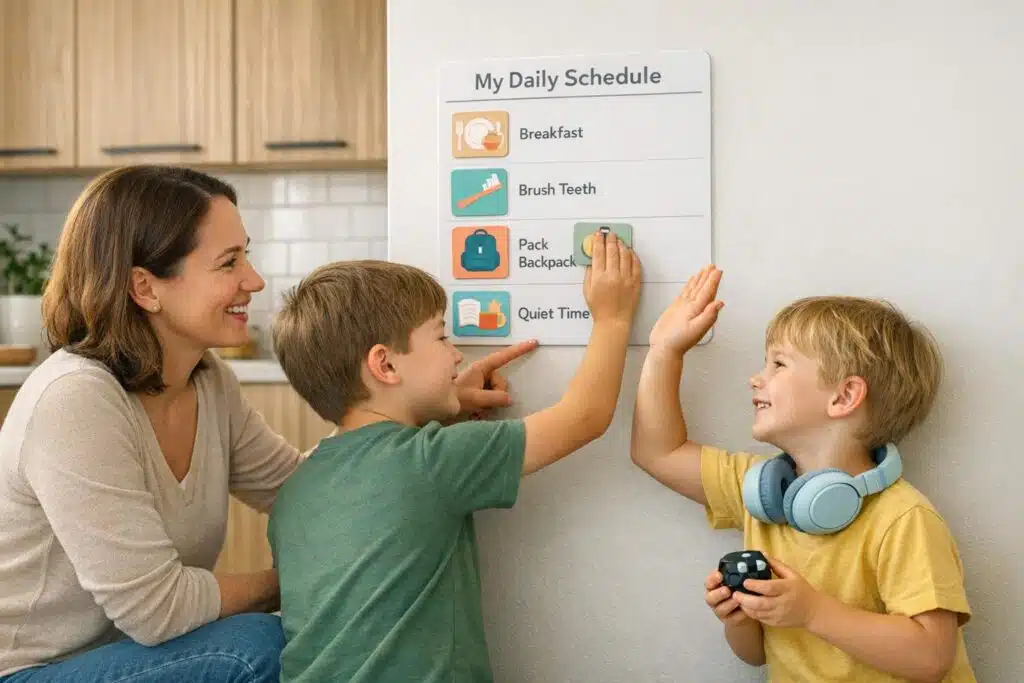
Support, structure, and community — practical strategies to help neurodiverse families reduce stress, build routines, and strengthen sibling bonds.
Ultimate Guide to Play-Based Emotional Regulation

Sensory play, storytelling, and role-play to help neurodiverse children calm, build self-regulation skills, and know when to seek professional help.
Stress from Trauma: Effects on Family Health

How trauma-induced stress affects family health, relationships, children, and long-term physical and mental outcomes.
Research on Neurodiverse Couples: Key Findings

Research summary on neurodiverse couples: communication gaps, marriage/divorce trends, relationship strengths, and therapy approaches.
Research: Communication in Mixed-Neurotype Families
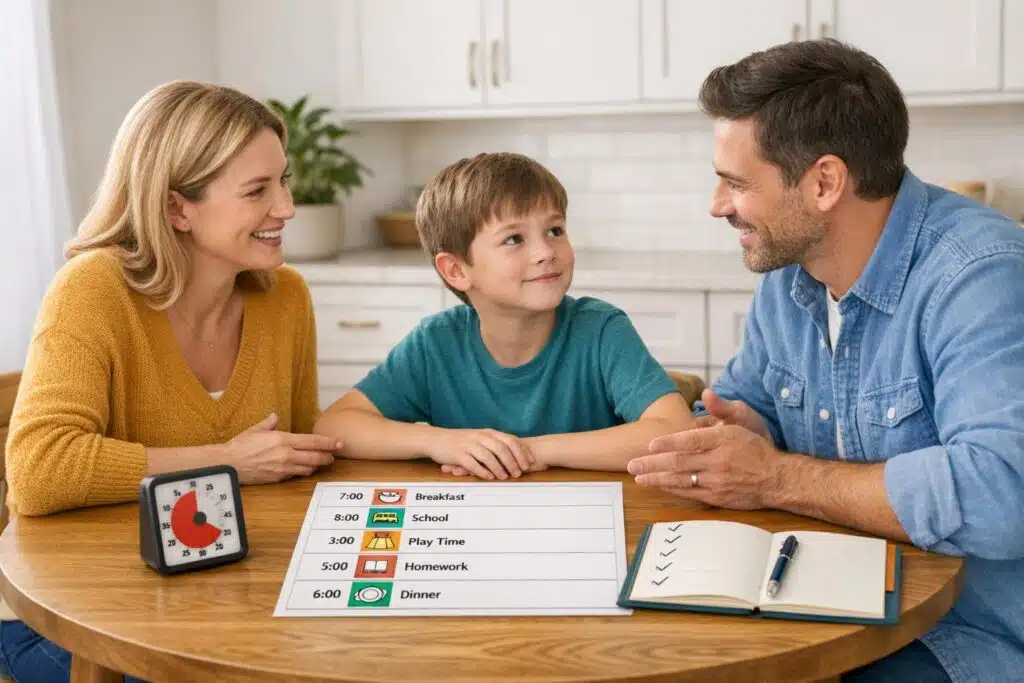
Research-backed ways mixed-neurotype families improve connection using empathy, structure, and clear communication strategies.
Collaborative Problem-Solving for Neurodiverse Parents

Practical CPS strategies for neurodiverse parents to reduce conflict, build skills, and create collaborative solutions for family stress.
Addiction Recovery and Co-Parenting: Comparison

Compare parenting styles, visitation plans, and monitoring tools to keep children safe while supporting recovery and rebuilding trust.
Ultimate Guide To Screen Time And Parental Guilt

Learn why parental screen-time guilt often causes more harm than devices and how to set balanced, practical rules for healthier family life.
Parenting Strategies for Remote Work and Media Supervision

Practical strategies to balance remote work and supervise kids’ media: schedules, workspaces, media plans, childcare, and screen-time zones.
Balancing Sobriety Goals with Parenting Duties

Practical strategies to protect sobriety while parenting: set boundaries, build routines, use support networks, and prevent relapse.
Parenting Styles: Trauma vs. Resilience

How trauma-driven parenting harms children—and how resilience-based parenting builds emotional regulation, trust, and secure bonds.
Christian Counseling Tools for Marriage Recovery

Faith-centered counseling that combines prayer, Scripture, forgiveness practices, and communication skills with a structured 12-week recovery program.
Meltdowns vs. Tantrums: Key Differences Explained

Learn how tantrums (goal-driven) differ from meltdowns (sensory or emotional overload), plus clear signs and responses for each.
How Shared Faith Builds Marital Resilience

Shared faith—daily prayer, scripture, community, and faith-based counseling—deepens trust, improves communication, and helps couples withstand conflict.
Explaining Rehab to Children: What to Say

Age-appropriate ways to tell kids a parent is entering rehab: honest language, stable routines, staying connected, and spotting emotional distress.
How Relapse Impacts Co-Parenting Dynamics

When a parent relapses, this guide explains effects on custody and child safety, plus steps for boundaries, documentation, legal protection, and rebuilding trust.
Top 7 Tools for Building Emotional Vocabulary
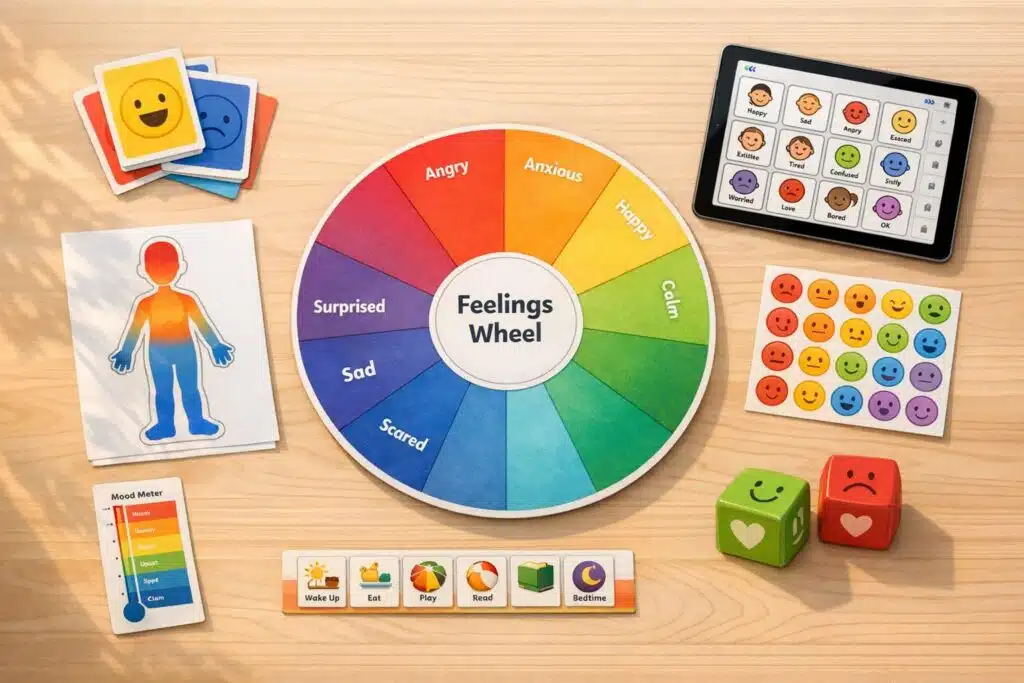
Seven practical visual and app-based tools—emotion cards, feelings wheels, body maps, and AAC apps—to help neurodiverse children name and manage emotions.
ADHD Parenting: Emotional Regulation Strategies

Practical strategies for parents to help children with ADHD manage emotions: model calm, label feelings, use mindfulness and calming kits, set routines, and get coaching.
Understanding Digital Burnout in Neurodiverse Kids

Explains how screens can cause neurological overload in neurodiverse children, leading to meltdowns, learning loss, sleep issues, and practical parent-led solutions.
Age-Appropriate Independence Skills for Neurodiverse Kids
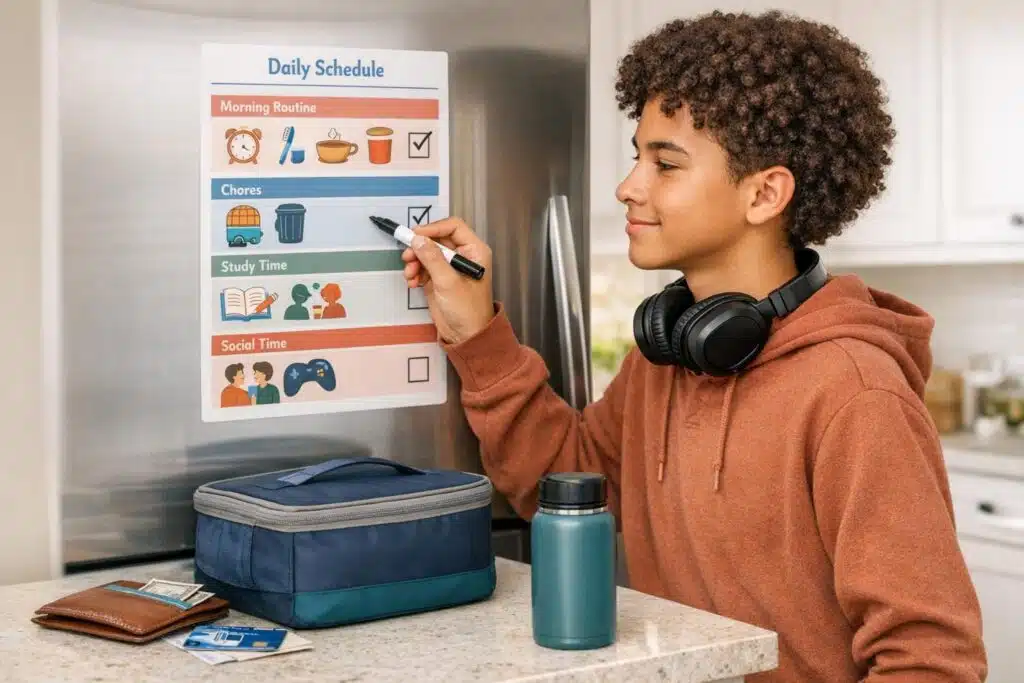
Age-based, practical strategies to build self-care, routines, social skills, money management and job readiness for neurodiverse children and teens.
Screen Time vs. Family Time

Balance screens and family life with screen-free zones, shared activities, and modeled habits to protect relationships, sleep, and child development.
Q&A: Common Challenges in Neurodiverse Partnerships

Practical strategies for neurodiverse couples to manage communication gaps, task-sharing, and sensory sensitivities, plus tailored counseling and tools.
Parenting Strategies For Addiction Recovery Support

Practical parenting strategies for addiction recovery: mindful presence, routines, healthy boundaries, CRAFT techniques, and professional family support.