Virtual therapy for addicted couples offers a convenient and effective way to address both addiction recovery and relationship challenges. Delivered through secure video platforms, these sessions help couples improve communication, rebuild trust, and develop strategies to prevent relapse – all from the comfort of their home. Research shows that couples engaging in therapy together often experience reduced substance use and stronger relationships compared to individual treatment.
Key Insights:
- Dual Focus: Combines addiction recovery with relationship repair.
- Accessibility: Ideal for couples in rural areas or with busy schedules.
- Proven Results: Studies confirm improved relationship satisfaction and sustained recovery outcomes.
- Therapy Tools: Includes relapse prevention plans, communication techniques, and recovery agreements.
- Privacy & Flexibility: Sessions are private, with flexible scheduling options.
Growth and Change Counseling provides specialized virtual therapy services, including the 12-week Marriage Rescue Institute program, tailored to couples in crisis. These services are accessible across California and covered by many insurance plans. Virtual therapy makes recovery achievable by addressing addiction and relationship struggles simultaneously.
Couples Therapy with Addiction: What You Need to Know First
How Addiction Affects Relationships
Addiction doesn’t just impact the individual struggling with substance use – it ripples outward, deeply affecting relationships. When addiction enters a partnership, it disrupts communication, weakens trust, and strains emotional bonds. Over time, these changes can lead to codependency, where one partner’s constant caretaking unintentionally fuels the addiction cycle.
Research highlights the toll addiction takes on relationships. Couples dealing with substance use disorders report significantly higher levels of dissatisfaction and family conflict compared to others [3][5][9]. In fact, about 1 in 10 people entering therapy have an addictive disorder, with these couples facing more frequent arguments and lower relationship satisfaction [9].
The damage isn’t just about the substances – it’s about how addiction rewires the relationship itself. As John Kane of Growth and Change Counseling explains:
"Anxious, addicted, depressed people isolate because they are pulling away from relationships, it hurts too much, its easier in the moment. But they get more mentally unwell because the root issues are endured instead of resolved, marriages are isolated instead of repaired." [1]
Addiction and Codependency Patterns
Codependency often develops when one partner becomes overly focused on the other’s needs, neglecting their own well-being in the process [3][4].
This dynamic can lead to enabling behaviors, such as:
- Covering for the addicted partner’s actions
- Making excuses to employers or family
- Providing money for substances
- Taking on extra household or financial responsibilities
While these actions often come from a place of love, they can unintentionally shield the addicted partner from facing the consequences of their behavior, perpetuating the addiction.
The codependent partner may feel anxiety or guilt when they’re not actively supporting or monitoring their loved one. Over time, this focus on the addicted partner can erode their own sense of identity, trapping both individuals in a draining cycle. Common signs of codependency include difficulty setting boundaries, feeling responsible for the partner’s substance use, and consistently prioritizing the addicted partner’s needs over their own [3][4]. They might also find themselves constantly on edge, trying to control situations to avoid triggering their partner, which only deepens the emotional strain.
Emotional and Relationship Damage
Addiction takes a heavy emotional toll on relationships. Trust is often one of the first casualties. Patterns of secrecy, dishonesty, and broken promises become common as the addicted partner may hide their substance use or lie about their actions [3][5]. This leaves the non-addicted partner feeling suspicious and betrayed.
Communication also suffers. The addicted partner might avoid difficult conversations, become defensive when confronted, or withdraw emotionally during periods of heavy use [3][5]. These breakdowns can create a growing emotional distance between partners.
Intimacy – both emotional and physical – often deteriorates. Addiction can make the addicted partner unavailable during intoxication or recovery, while repeated breaches of trust make it hard for the non-addicted partner to feel close. This can lead to feelings of neglect and betrayal on one side and guilt or shame on the other, further straining the relationship.
Resentment tends to build over time. The non-addicted partner may feel anger, sadness, or hopelessness as they watch their loved one prioritize substances over the relationship [3][5]. Meanwhile, the addicted partner’s guilt can drive them further into their substance use, creating a vicious cycle of stress and conflict [4][5].
In some cases, addiction can escalate into domestic violence. Substance use may lower inhibitions and increase aggression, while the stress of addiction-related conflicts can lead to emotional or physical abuse [3][5][9]. This creates an atmosphere of fear and instability, impacting everyone involved.
Children in these environments are particularly vulnerable. They often witness dysfunction and experience emotional challenges that can shape their future relationships [4]. The family’s focus on managing the addiction often sidelines individual needs, leaving long-term scars.
Experts agree that addiction and relationship dysfunction feed into each other, creating a destructive loop: substance use causes relationship problems, which then increase stress and fuel further substance use [4][5]. Breaking this cycle means addressing both the addiction and the damage it causes to the relationship.
The encouraging news? With the right treatment, these patterns can be changed. Behavioral Couples Therapy, supported by multiple clinical trials, has been shown to improve relationship dynamics and increase abstinence rates more effectively than individual treatment alone [4][5]. Recognizing the warning signs early and seeking help can make all the difference in healing both the individual and the relationship.
How Virtual Couples Therapy Helps with Addiction Recovery
Virtual couples therapy takes on the intertwined challenges of addiction and relationship struggles by addressing them both at the same time. This dual focus helps break the cycle of substance use and relationship damage, paving the way for faster and more effective healing.
This approach blends tools like relapse prevention strategies and recovery agreements with skills training in communication and conflict resolution [3][4]. According to research from the National Institutes of Health, couples who participate in Behavioral Couples Therapy (BCT) see greater reductions in substance use and improvements in family dynamics compared to those receiving individual counseling alone [3]. The virtual format retains these benefits while adding convenience and accessibility, which many couples find essential. Here’s a closer look at how virtual therapy works and why it’s so effective.
The Virtual Therapy Process
Virtual couples therapy for addiction follows a structured plan aimed at creating meaningful, lasting change. It typically begins with an initial evaluation, during which the therapist assesses both partners’ needs and substance use history. This helps identify patterns and triggers that need attention [2][4]. From there, the therapist creates a custom treatment plan tailored to the couple’s unique challenges and goals, focusing on both addiction recovery and relationship repair.
Sessions, which last 45 to 60 minutes, are held weekly through secure video platforms [2][4]. During these sessions, therapists focus on key areas such as:
- Communication skills training: Teaching couples how to express their needs in a way that avoids conflict or defensiveness.
- Relapse prevention planning: Identifying high-risk situations and building strategies like emergency contact plans or daily routines to support sobriety.
- Recovery contracts: Developing written agreements that set clear expectations, boundaries, and consequences to encourage accountability.
- Homework assignments: Encouraging couples to practice new communication skills and track progress on goals outside of therapy.
Therapists also model healthy communication during sessions, showing couples how to navigate difficult conversations without escalating tensions. These practical techniques can be applied immediately, offering tools for real-world challenges.
Benefits of Virtual Therapy
Virtual therapy offers several key advantages for couples navigating addiction recovery. Privacy is a major benefit, as many couples feel more at ease discussing sensitive topics – like substance use, finances, or past betrayals – from the comfort of home rather than in a clinical setting [2][6]. Flexible scheduling is another plus, making it easier to fit sessions into busy lives, whether during lunch breaks, evenings, or weekends [2][6].
For couples in rural or underserved areas, virtual therapy provides access to specialized therapists they might not otherwise find locally [2][6]. The ability to attend sessions from home also helps couples stay consistent – a critical factor for successful recovery. Plus, being in their natural environment allows therapists to better observe triggers and address enabling behaviors in real time [8].
Interestingly, studies show that the connection between therapists and clients – known as the therapeutic alliance – is just as strong in virtual therapy as it is in face-to-face sessions [10]. Similarly, improvements in relationship satisfaction and overall mental health are comparable between virtual and in-person formats [10]. These benefits create a supportive environment where recovery feels more achievable.
"We understand that our mental health conditions are related to the breakdown in our relationships and that we can’t simply make depression, anxiety, or other problems go away by simply treating the symptoms. We have to get down to the roots of the problems in order to help people effectively heal." – Jamula Taylor, LMFT #129183, Growth and Change Counseling [1]
Virtual couples therapy provides the tools and guidance needed to address the underlying causes of addiction and relationship struggles. By helping couples rebuild trust and connection, it lays the foundation for lasting recovery and stronger relationships.
How to Prepare for Virtual Therapy Sessions
Getting ready for a virtual therapy session involves ensuring privacy, setting clear goals, and being technically prepared. These steps help couples stay focused and make meaningful progress during their time with the therapist.
Setting Up a Private Space
The right environment is key for maintaining both privacy and concentration. Choose a quiet room where you can close the door to avoid interruptions. To keep distractions at bay, silence your phone, turn off email alerts, and log out of social media. Let others in your household know about your session schedule so they can avoid disturbing you unless it’s an emergency. If possible, plan sessions for times when interruptions – like kids needing attention – are less likely.
Headphones can be a great way to enhance privacy, especially if you can’t completely isolate yourself. Additionally, adjust your camera angle to avoid showing personal or distracting items in the background. A neutral and uncluttered setup can help keep the focus on the session.
Setting Goals and Boundaries Together
Before starting therapy, take some time to discuss and write down both individual and shared goals. These might include improving communication, rebuilding trust, or addressing specific challenges. Having these goals on paper provides a clear direction for your sessions. It’s also helpful to outline boundaries and ground rules for how you’ll engage during therapy. For example, agree on using "I" statements to express feelings instead of assigning blame. This approach fosters a more constructive and respectful dialogue.
If certain topics tend to be emotionally charged, decide together how to approach them in a way that feels safe for both of you. Setting these boundaries in advance helps ensure that both partners feel supported and heard during the sessions.
Technical and Emotional Preparation
Being mentally and technically prepared is just as important as setting goals. Start by testing your internet connection, camera, and microphone well before the session begins. Make sure your device is fully charged, and log into the video platform a few minutes early to avoid any last-minute hiccups. Have a backup plan, like switching to a phone call, in case of technical issues.
On the emotional side, take a moment to reflect on recent challenges or successes you’d like to discuss. Practicing calming techniques, like deep breathing, can help you enter the session with a clear and open mind. Writing down your thoughts or concerns beforehand ensures that nothing important gets overlooked.
Treat your virtual therapy session as seriously as an in-person appointment. Dress appropriately, avoid multitasking, and commit to being fully present. To keep things consistent, coordinate schedules with your partner and use a shared calendar to set recurring session times. These small steps not only reduce last-minute cancellations but also build a routine that supports progress. By preparing thoughtfully, you set the stage for a productive and meaningful therapy experience.
sbb-itb-596b85d
Communication Strategies for Virtual Therapy
Effective communication plays a vital role in virtual therapy, shaping interactions and supporting the recovery process for couples.
Proven Communication Methods
One essential technique is active listening, where one partner speaks while the other listens attentively and then summarizes what they’ve heard. For instance, instead of reacting defensively, a partner might say, "What I hear you saying is that you feel overwhelmed when I come home late." This method ensures both partners feel understood, which is especially important when trust is strained.
Using "I" statements is another effective strategy. Rather than saying, "You always make me feel anxious," a partner might reframe it as, "I feel anxious when I don’t know when you’ll be home." This shift from accusatory language to personal expression creates a more open and constructive dialogue.
Validation techniques also play a key role. Validation involves acknowledging a partner’s emotions as legitimate, even if there’s disagreement. It’s about recognizing their feelings as understandable based on their perspective and experiences.
Research indicates that couples who consistently use these methods often see fewer conflicts and greater satisfaction in their relationships. These foundational tools set the stage for therapist-led strategies that further refine communication.
Therapist-Guided Approaches
Therapists often employ structured methods like Behavioral Couples Therapy (BCT), which is particularly effective in virtual settings for couples managing addiction. A core element of BCT involves creating recovery contracts – agreements outlining daily actions that support sobriety.
Another approach is motivational interviewing, where therapists guide couples through conversations that help them explore their readiness for change. This method allows partners to identify personal motivations and goals without feeling pressured toward specific outcomes. It encourages self-reflection and empowers couples to take ownership of their recovery and relationship growth.
In virtual sessions, therapists provide real-time feedback. For example, they might pause a discussion to suggest rephrasing a blaming comment into an "I" statement. This immediate guidance helps couples quickly adopt healthier communication habits.
The virtual format also offers unique benefits. Couples can practice these techniques in the comfort of their own home, making the skills feel more relevant to their daily lives. Therapists often assign homework to reinforce these lessons, ensuring they translate into actionable improvements.
Building Progress Between Sessions
Progress doesn’t stop when the session ends. Regular practice is key to solidifying new skills. Homework assignments and weekly check-ins help couples address challenges early, preventing them from escalating.
Keeping a journal of positive interactions can also be helpful. By noting moments where new communication techniques were successfully applied, couples can focus on their progress rather than lingering on past issues. This practice builds confidence and highlights the potential for healing within the relationship.
As one client, Cindy Wang, shared:
"I can say that he makes a difference in our life (me and my husband find the tools to communicate with each other productively; which hardly ever happened before.)"
– Cindy Wang
Virtual therapy also allows for quick, convenient connections with therapists through check-in calls or secure messaging. This accessibility ensures couples feel supported between sessions.
"I provide you with relational homework and skills to integrate into your life between sessions; this is where you will take what is learned in session and flesh it out in daily life."
– Arione Capolupo, LMFT, Growth and Change Counseling
Common Challenges in Virtual Therapy for Addicted Couples
Virtual therapy offers a unique way for couples to work through addiction recovery, but it comes with its own set of challenges. Navigating these hurdles effectively can make a big difference in maintaining progress and fostering healthier relationships.
Dealing with Relapse Risks
One of the biggest challenges of virtual therapy is managing relapse risks. Unlike the neutral environment of a therapist’s office, home settings often contain triggers that can lead to setbacks. Common risks include exposure to familiar stressors, a lack of immediate support, and emotional tension unique to the couple’s shared space [4].
Early prevention is key. Couples can benefit from regular check-ins to discuss cravings, identify high-risk situations, and use tools like recovery contracts to stay on track [2] [4]. Therapists also help couples spot warning signs – like escalating conflict or emotional withdrawal – that might signal a potential relapse [2].
Crisis planning plays a vital role in relapse prevention. A solid plan includes identifying personal and shared triggers, setting clear steps for seeking help (e.g., contacting a therapist or hotline), and taking immediate actions like removing substances from the home [4]. Writing these plans down and practicing them through role-play with a therapist can make them more effective [2].
If a relapse happens, re-engagement is crucial. Open communication about the setback, revisiting goals, and updating the treatment plan are essential steps [3]. Therapists encourage couples to view relapses as opportunities to learn rather than failures. Additional therapy sessions or individual counseling for the partner struggling with addiction may also be recommended [2]. Scheduling a session promptly after a setback can help rebuild trust and refocus on recovery [4].
Staying Committed to Therapy
Consistency is critical in therapy, but virtual sessions can sometimes make it harder to stay engaged. Without the physical act of traveling to an office, motivation can waver. Home distractions and inconsistent attendance can erode accountability [2].
To combat this, couples should establish routines – like scheduling sessions at the same time each week, setting short-term goals, and using reminders to stay on track [3]. Treating virtual sessions with the same seriousness as in-person ones by creating a dedicated, distraction-free space can also improve focus.
Tracking progress together helps build momentum. Tools like shared calendars, daily emotional check-ins, and reminder apps can keep both partners aligned [4]. Therapists often assign joint activities to encourage collaboration and regular feedback between partners [3].
Celebrating small wins is another way to maintain motivation. Whether it’s a week without conflict or successfully using new communication skills, acknowledging these moments reinforces progress and keeps the couple moving forward [4].
Solving Technology Problems
Technical issues are a common frustration in virtual therapy. Poor internet connections, audio or video glitches, and unfamiliarity with therapy platforms can disrupt sessions [2].
To minimize these problems, couples should test their equipment beforehand, use wired internet connections when possible, and have backup devices ready [2]. Scheduling sessions during off-peak internet times, like mid-morning or early afternoon, can also help ensure a smoother experience.
Privacy is another concern when doing therapy from home. Choosing a quiet, private space, using headphones, and letting household members know about the need for uninterrupted time can create a more secure environment [2]. It’s also important to ensure the therapy platform is secure and HIPAA-compliant to protect confidentiality [11].
Familiarity with the platform can reduce stress. Many therapists provide troubleshooting guides and recommend platforms that are secure and easy to use, helping couples feel more confident during sessions [11].
Growth and Change Counseling Services
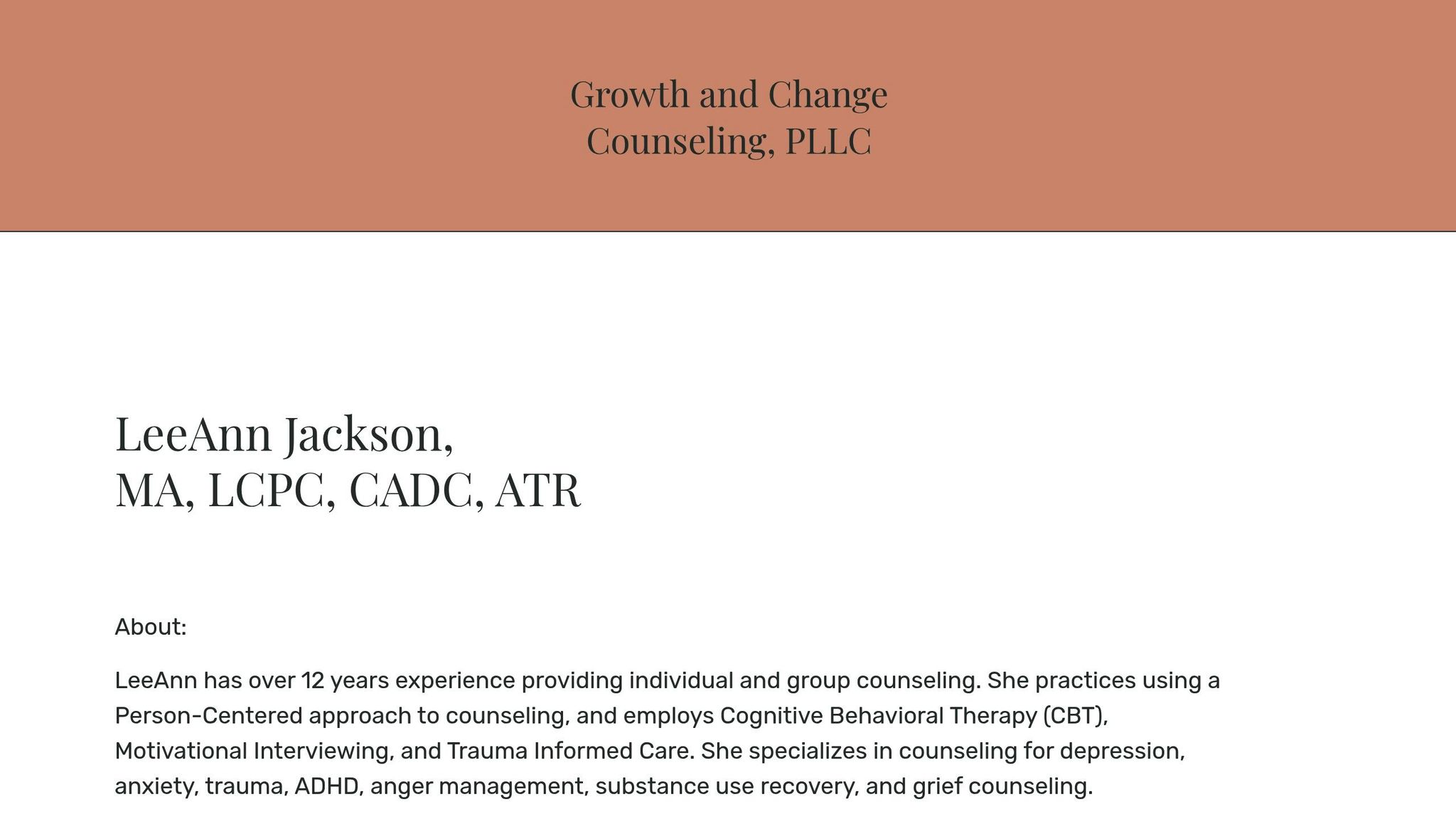
Growth and Change Counseling specializes in helping couples navigate addiction challenges and rebuild their relationships through virtual therapy. Their approach is rooted in evidence-based methods tailored to couples facing crises, such as substance use disorders and co-occurring mental health issues. By focusing on virtual therapy, they aim to break communication barriers and support long-term recovery for couples.
Therapy Services Offered
One of the standout programs at Growth and Change Counseling is the Marriage Rescue Institute, a 12-week intensive coaching program. This program is designed to help couples rebuild trust, improve communication, and establish healthy boundaries in relationships impacted by addiction. It combines proven couples counseling techniques with strategies specific to addiction recovery.
"The Marriage Rescue Institute, our 12-week marriage program, is in the habit of putting marriages in dire circumstances back together!" – John Kane, LMFT #134414, Growth and Change Counseling [1]
This program has shown success in addressing deep conflicts related to addiction. It emphasizes what the practice calls "relational intelligence" – the ability to tackle root issues rather than simply managing symptoms.
In addition to couples therapy, Growth and Change Counseling offers individual therapy sessions to support partners dealing with addiction. These sessions provide focused, personalized care for those on their recovery journey. Rates for individual therapy are $200 for 45-minute sessions with LMFT therapists and $150 with AMFT therapists, with sliding scale options starting at $100.
The practice also offers family therapy and parent coaching, addressing the broader effects of addiction on families. These services focus on understanding addiction dynamics, improving family communication, and creating strategies to support recovery while maintaining healthy boundaries.
The therapists at Growth and Change Counseling are highly skilled in treating both substance use and behavioral addictions. They employ evidence-based approaches, including Behavioral Couples Therapy (BCT) and Emotion Focused Couples Therapy (EFT) [3][4].
"At Growth and Change Counseling, we have a foundational process that we take couples, individuals, addicts, and parents through. This process is tailored to the situation that you are dealing with and helps you develop the relational intelligence to put your relationships and mental health back together." – Karin Wiese, LMFT #147385 [1]
These services are delivered through a secure telehealth platform, ensuring accessibility for clients throughout California.
Telehealth Services Across California
Growth and Change Counseling extends its services state-wide through a secure, HIPAA-compliant telehealth platform. This virtual-first approach eliminates geographic barriers, making therapy accessible to couples regardless of their location in California.
All services, while based in key Californian cities, are provided entirely online, offering flexibility for clients juggling work, childcare, or recovery program schedules. This model has proven especially effective for couples managing addiction, as it allows them to prioritize therapy without disrupting daily responsibilities.
Insurance coverage is available through providers such as Anthem Blue Cross, Aetna, United Health Care, Oxford, Oscar Health, Cigna, Optum EAP, Cigna EAP, Medicare Part B, Tricare West, and VA Community Care Network. For those with out-of-network insurance, the practice provides superbills to assist with reimbursement.
To get started, couples can reach out to John Kane directly at 408-461-9658 or email support@johnmarkkane.com. The initial consultation involves discussing specific concerns, setting treatment goals, and determining the best service plan – whether that’s the intensive Marriage Rescue Institute program or ongoing therapy sessions.
Research supports the effectiveness of telehealth therapy, showing that couples experience significant improvements in relationship satisfaction and reductions in anxiety and stress. These benefits have been found to last even three months after completing therapy [10].
Conclusion: Rebuilding Relationships Through Virtual Therapy
Virtual therapy has emerged as a reliable way to foster recovery and healing. Studies consistently reveal that Behavioral Couples Therapy (BCT) delivered virtually results in higher rates of abstinence and improved relationship dynamics compared to individual treatment alone. Couples participating in virtual therapy experience the same meaningful boosts in relationship satisfaction and mental health as those attending in-person sessions [4][7].
The benefits don’t stop there. Research highlights improvements in conflict resolution, emotional connection, and long-term relationship stability for couples engaging in virtual therapy [4][5]. These positive changes not only endure but often grow stronger over time, with follow-up studies showing sustained progress in relationship happiness and the therapeutic bond [7].
Virtual therapy stands out because it tackles both addiction recovery and relationship repair simultaneously. One of its biggest advantages is accessibility. Being able to attend sessions from the comfort of home removes many barriers that might otherwise prevent couples from seeking help. This consistency is especially critical during recovery, where staying engaged can mean the difference between relapse and success.
To meet these needs, specialized virtual services provide tailored solutions. For instance, Growth and Change Counseling offers expert guidance designed for couples facing these challenges. Their Marriage Rescue Institute delivers intensive, results-driven support for couples in crisis, all through secure telehealth services available across California.
With its structure, convenience, and proven results, virtual therapy offers a practical way to create lasting change. To take the next step, reach out to Growth and Change Counseling at 408-461-9658 or email support@johnmarkkane.com to discuss your needs and explore how virtual therapy can help you rebuild both recovery and your relationship.
FAQs
What makes virtual therapy for couples dealing with addiction different from in-person therapy?
Virtual therapy allows couples to attend sessions right from home, offering convenience that’s especially beneficial for those dealing with the complexities of addiction. By removing the need to travel, it becomes easier to fit therapy into packed schedules, breaking down barriers that might otherwise prevent seeking help.
The process itself stays much the same as in-person therapy, but it’s conducted through secure video platforms designed to encourage open and honest conversations. Therapists can also share strategies tailored to addiction-related challenges, providing tools that couples can immediately use in their everyday lives. This ensures that the support and guidance offered through virtual therapy match the quality of in-person sessions.
How does virtual therapy help couples address addiction and relationship challenges at the same time?
Virtual therapy blends proven methods to address addiction and relationship challenges at the same time. Therapists often use tools like cognitive-behavioral therapy (CBT) to help manage addiction-related behaviors, while also incorporating communication techniques to deepen the couple’s bond and work through conflicts.
In these sessions, couples learn to recognize harmful patterns, build emotional closeness, and develop healthier ways to cope – together. Delivered online, these sessions are customized to suit each couple’s specific situation, offering a convenient way to tackle these complex issues without leaving home.
How can couples maintain privacy and reduce distractions during virtual therapy sessions at home?
To maintain privacy during virtual therapy sessions, find a quiet and secluded spot where interruptions are unlikely. Inform everyone in your household about your session time and kindly request their cooperation in keeping noise and disruptions to a minimum. Using headphones can further protect your privacy while helping you stay focused on the conversation.
Minimizing distractions is equally important. Turn off notifications on your devices and close any unnecessary apps or browser tabs on your computer. If possible, schedule your sessions during naturally quieter times at home, like when the kids are at school or during your partner’s lunch break. Setting up a calm and distraction-free environment can make a big difference in making your virtual therapy sessions more effective.
Common Questions About Virtual Therapy at Growth and Change Counseling
- Addiction Recovery and Marriage Communication
- How Addiction Impacts Marital Stability
- Rebuilding Emotional Intimacy After Addiction
- Top 7 Therapy Approaches for Cross-Cultural Couples with Addiction
