
ADHD Therapy Campbell CA: ADHD Therapy in Campbell, California
ADHD therapy in Campbell, California. Personalized counseling for adults managing focus, organization, and emotional regulation. In-person and telehealth.
ADHD therapy in Campbell, California. Personalized counseling for adults managing focus, organization, and emotional regulation. In-person and telehealth.

Steps to rebuild parent-child trust after substance use: ensure safety, practice listening, set caregiving agreements, and track progress.

Set shared boundaries with extended family to protect your marriage—agree on visits, money, parenting, and get help when patterns repeat.

Focus on triggers, not labels: match sensory changes, visual supports, co-regulation, coping skills, respite, and therapy to each family’s stress.

10 warning signs your phone is damaging your relationship—compulsive checking, phubbing, sleep loss, secrecy, and rising conflict.

Substance use erodes trust, communication, affection, and sex in marriage—sobriety helps, but rebuilding intimacy needs time and intentional repair.

How addiction shifts marital talk toward withdrawal or conflict, and when couples therapy or safety-first steps can help.

Begin with safety, then choose the right next step: communication work, individual therapy, couples therapy, or intensive coaching.

Use a written, low-contact parallel parenting plan when co-parenting sparks conflict; follow custody orders and protect the child.

Build steadier recovery by grounding self-worth, setting clear limits, and practicing a simple 5-step boundary process.

Calm, clear communication, active listening, and firm boundaries to support family recovery and reduce relapse risk.

Practical steps for intercultural couples: map expectations, hold calm check-ins, set family boundaries, write agreements, and get help when needed.

Speak honest needs, listen with empathy, and pause before conflict becomes damage.

Five steps to protect children from parental conflict: keep fights private, avoid using kids as messengers, reassure them, keep routines steady, and communicate calmly.
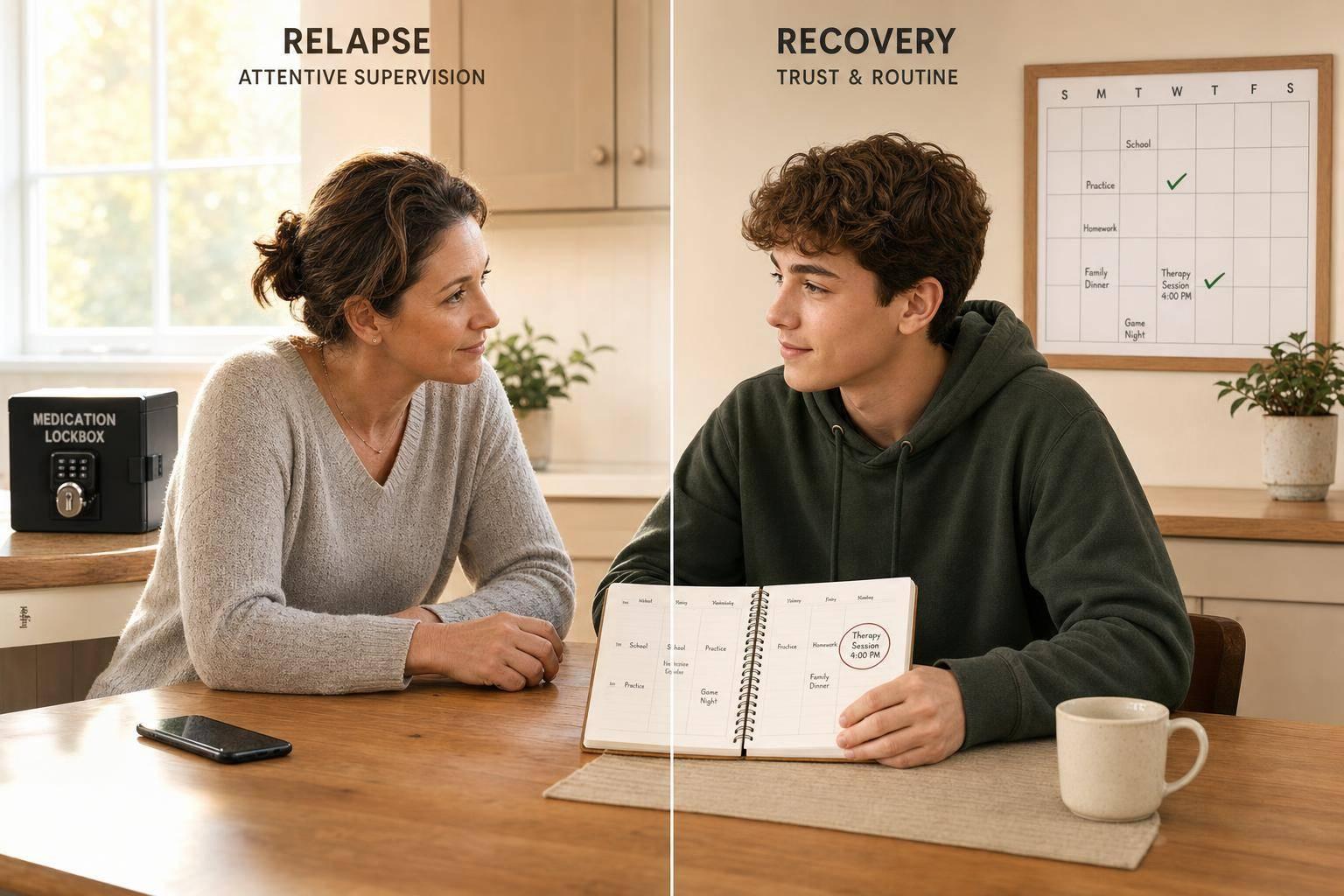
Contrast relapse and recovery parenting: safety and supervision in relapse; trust, routines, and therapy in recovery.

Protecting your child’s stability matters more than winning any disagreement.

Culturally responsive couples therapy helps Indian families set respectful boundaries, repair trust, and manage in-law pressure.

Spot codependency vs healthy accountability in recovery relationships: set boundaries, use clear agreements, and protect your wellbeing.

Tie parenting time to documented sobriety, treatment follow-through, and clear relapse steps to protect child safety during early recovery.
Come for growth and change counseling in Campbell. Whatever you’re dealing with, I’m there for you. Click on the link and find out more

Marriage counseling for African and diaspora couples—addresses family, faith, migration stress, trauma, and a 12-week repair plan.

Learn to spot and repair emotional neglect in partnerships—identify missed bids, name feelings, set weekly check-ins, or seek therapy.

Children recover better when adults provide predictable routines, clear safety rules, and calm, child-focused co-parenting in recovery.

Calm parents lower meltdowns: use self-regulation, sensory tools, routines, and proximity to help kids with ADHD settle and learn.

Repeated money fights, hidden debt, job loss and unclear money roles raise divorce risk; regular talks, clear roles and outside help can reduce it.

Simple daily habits to prevent work stress from harming your marriage: check-ins, boundaries, shared routines, and timely help.

Use mediation to set parenting plans and counseling to change recurring conflict—always prioritize child safety and recovery.

Start individual therapy for private severe symptoms; use family therapy when trauma disrupts home — learn how to choose and combine both.

Faith can strengthen addiction recovery with purpose, daily structure, community, relationship repair, and lasting support alongside clinical care.

Treat patterns, not partners: shared vision, clear requests, capacity-based chores, weekly check-ins for neurodiverse couples.

Pray together, choose 2–3 measurable spiritual goals, schedule weekly habits, and review monthly to grow in faith and marriage.

How trauma-informed family therapy builds safety, improves regulation, and helps families repair patterns across generations.

Short, acceptance- and gratitude-focused prayers can lower stress, boost connection, and aid regulation in neurodiverse families.

How porn use erodes trust, attachment, and sexual connection in neurodiverse couples—why ADHD/autism raise risk and how structured recovery helps.

Spot early codependency relapse signs—anxiety, people-pleasing, self-neglect, weak boundaries—and pause to reset one boundary.

Faith-based counseling rebuilds marital trust through honest confession, clear boundaries, and steady accountability.

Spot triggers, calm your body, and reply only about the child—pause, use BIFF replies, and set clear boundaries for high-conflict co-parenting.

Trauma reshapes family communication, safety, roles, and emotional regulation—survival patterns that often repeat across generations.

Struggling to find the right couples therapist in LA? Our 2026 guide cuts through the noise with costs, proven methods, and questions to ask before you book.

Discover the 7 best marriage books for 2026, from research-backed communication tools to spiritual guides. Find the right read for your relationship stage.

Secondary trauma makes caregiving chronic stress, harming relationships and risking children without trauma-informed family therapy.

Addiction in neurodiverse people often reflects unaddressed trauma and sensory regulation needs, not willpower failure.

Overview of TF-CBT, CPP, and integrative family counseling—who they help, session length, and family involvement.

Practical guidance for parents recovering from addiction to rebuild trust through consistency, honesty, and professional support.

Five practical steps to reclaim self-worth after trauma: challenge beliefs, practice self-compassion, set boundaries, rebuild trust.

Trauma-informed care stabilizes families after sudden loss by prioritizing safety, routine, grounding, and tailored therapy for lasting recovery.

NLP improves telehealth therapy with emotion detection, communication mapping, automated notes, risk alerts, and progress tracking.

Parent coaching transforms reactive parenting into steady, connected leadership that builds lasting family resilience.

Clear agreements, routines, sensory-safe conflict rules, and communication tools to rebuild trust in neurodiverse relationships.

Overcoming dependency requires more than just willpower—it takes comprehensive, evidence-based care. Located in Roseville, CA, our practice provides specialized substance addiction treatment therapy designed to help individuals break the cycle of dependence and reclaim their lives.