When mental health challenges like anxiety or depression impact a marriage, the key to maintaining a strong connection lies in resilience. Resilient couples face difficulties together, communicate openly, and support each other emotionally. This guide explores how to recognize early signs of mental health struggles, improve communication, and build daily habits that strengthen your bond. It also highlights when professional counseling can help and introduces practical steps to create a personalized resilience plan for your marriage.
Here’s what you’ll learn:
- How anxiety and depression affect relationships and create emotional distance.
- Practical communication techniques to express feelings and resolve conflicts.
- Daily habits to stay connected and support each other’s mental health.
- When and how to seek professional help, including structured programs like the Marriage Rescue Institute.
- Steps to create a resilience plan to navigate future challenges together.
The Silent Marriage Killer: How Anxiety Is Pulling You Apart
Mental Health Issues in Marriage
Anxiety and depression can quietly weave their way into marriages, often disguised as everyday stress. Recognizing how these mental health challenges appear in relationships is crucial for building the strength needed to overcome them. Spotting specific signs early can make all the difference in preserving your connection.
Signs of Anxiety and Depression in Marriage
Mental health struggles often show up in ways that couples might dismiss as typical relationship hiccups. For example, emotional withdrawal or irritability can seem like passing moods but may actually signal deeper issues. A partner might become less talkative, avoid eye contact, or overreact to minor disagreements that once felt insignificant.
Another red flag is excessive reassurance-seeking. If your partner frequently asks if you’re upset with them or becomes uneasy during brief separations, it could stem from fears about the relationship’s security or their own self-esteem.
Physical changes, like disrupted sleep patterns – whether it’s insomnia or oversleeping – and shifts in appetite, are also common. A noticeable loss of interest in hobbies, social events, or even physical intimacy might point to anxiety or depression taking hold.
You might also notice persistent sadness or a sense of hopelessness creeping into your partner’s daily interactions. Comments about feeling worthless or self-deprecating remarks can be clear indicators that depression is affecting their emotional health.
Common Problems in Affected Marriages
These mental health challenges don’t just affect individuals – they can disrupt the entire relationship dynamic. Communication breakdowns often follow, as partners struggle to express their feelings or truly hear each other. Conversations can feel strained, with the anxious partner catastrophizing minor issues – like weekend plans turning into a full-blown crisis – while the depressed partner might withdraw completely, leaving their spouse feeling shut out.
Avoidance behaviors may also emerge. Couples might steer clear of meaningful conversations or pack their schedules to avoid spending time together. While this might provide short-term relief, it only deepens emotional distance in the long run.
"Anxiety often stems from dysfunctional relationships. When we experience hurt or a lack of safety, anxiety arises as a fear of further injury or negative outcomes."
– Growth and Change Counseling
Over time, emotional detachment can take root. One partner may build walls to protect themselves from vulnerability, while the other distances themselves emotionally to cope. This mutual withdrawal can leave both feeling isolated within the relationship.
Conflicts can also escalate. Increased arguments often stem from unmet emotional needs and poor communication. Surface-level disagreements may mask deeper, unresolved issues. Meanwhile, the decline in physical and emotional intimacy – where depression drains energy and anxiety makes vulnerability feel risky – further weakens the bond between partners.
When Professional Help Is Needed
Knowing when to seek professional help can be tough, especially when mental health struggles are ongoing. But certain signs indicate it’s time to bring in an expert.
If symptoms persist for several weeks or months without improvement, professional intervention is essential. Anxiety, depression, or relationship distress rarely resolve on their own, and waiting longer only prolongs the pain.
When everyday tasks like work, parenting, or managing the household begin to suffer, therapy can provide tools to restore balance and stability. Similarly, repeated patterns of hurtful behavior – like recurring arguments or actions that damage trust – signal a need for expert guidance. A therapist can help uncover the root causes and teach healthier ways to interact.
Feelings of hopelessness about the future of your relationship are another clear sign to seek help. Therapists offer proven strategies to help couples rebuild their connection and move forward.
Research shows that couples therapy works for about 75% of couples, with nearly 90% reporting meaningful emotional improvements [4]. Even better, almost two-thirds experience better physical health after therapy [3].
Growth and Change Counseling provides tailored support for couples facing these challenges. Their Marriage Rescue Institute offers an intensive 12-week program designed for couples in crisis. By addressing both individual and relationship needs, their approach promotes healing on all fronts.
Seeking professional help isn’t a sign of failure – it’s a courageous step toward a stronger, healthier marriage. With the right support, you can face these challenges together and come out even stronger.
Communication Methods That Work
When anxiety and depression affect a marriage, finding ways to communicate effectively becomes crucial. Thoughtful approaches can strengthen the bond between partners.
How to Talk Openly About Mental Health
Set aside regular, uninterrupted times to check in with each other – weekly or biweekly sessions work well. Even 15 to 20 minutes can make a difference. Use this time to ask meaningful questions like:
- How are you feeling?
- What challenges have you faced recently?
- How can I support you?
When sharing your own feelings, use "I" statements to express yourself without placing blame. For example, say, "I feel anxious and need to talk," instead of making accusatory remarks. Agree in advance that these conversations are judgment-free zones where problem-solving isn’t the immediate goal. Once this open dialogue is established, focus on truly listening to your partner and affirming their emotions.
Listening Skills and Showing Empathy
Active listening is about giving your full attention and validating your partner’s feelings. Make eye contact, and try paraphrasing what they share to confirm your understanding. For instance, say, "It sounds like you’re feeling overwhelmed. Did I get that right?" This not only shows you’re listening but also gives them a chance to clarify.
Reflecting their emotions can make them feel understood. Responses like, "That must be really hard," or "I can see why you’d feel that way," can go a long way. Adding a comforting gesture, such as holding their hand, reinforces your support. Asking thoughtful questions – "Can you help me understand what that anxiety feels like for you?" or "What would be most helpful right now?" – shows genuine care and interest.
Before diving into these conversations, it might help to center yourself with deep breaths or mindfulness practices. Staying calm and present ensures you can fully engage with your partner.
Handling Arguments and Fixing Communication Problems
Even with strong communication habits, conflicts are inevitable – especially when mental health challenges are part of the equation. The key is to approach disagreements constructively. When emotions run high, take a break by saying something like, "I need a moment to cool down," and return to the discussion once both of you feel calmer.
When you resume, start by acknowledging your partner’s feelings before sharing your own perspective. Structured problem-solving can be helpful here: take turns speaking without interruption, then brainstorm solutions together. Techniques like deep breathing during tense moments can prevent reactive outbursts.
It’s important to recognize how anxiety or depression might influence arguments. Anxiety can amplify minor issues, while depression may lead to withdrawal or irritability. Understanding these dynamics reinforces the need for calm, deliberate conflict resolution. After resolving a disagreement, take a moment to acknowledge the effort you both put into restoring communication.
Research highlights the benefits of learning these skills with professional guidance. For example, Emotionally-Focused Therapy has been shown to help about 75% of couples, with nearly 90% reporting significant improvements in their relationship[4]. These positive changes can last for at least two years after therapy ends[4].
If communication challenges persist or mental health struggles deeply impact your relationship, seeking professional support can provide the tools and safe space you need to grow together. Growth and Change Counseling offers tailored couples counseling, including a focused 12-week program designed specifically for couples navigating these challenges.
Supporting Each Other and Taking Care of Yourself
Building a resilient marriage means finding the balance between caring for your partner and prioritizing your own well-being. This balance isn’t just helpful – it’s essential.
Daily Actions to Stay Connected
The little things you do every day can make a big difference in keeping your relationship strong. Studies show that supportive and healthy marriages can ease stress and even lower the risk of depression[1]. Simple routines, like a nightly check-in where each of you shares one high and one low from your day, can help you stay emotionally in tune – even when life feels overwhelming. These moments create a rhythm of connection that strengthens your bond.
Morning rituals, such as enjoying coffee together or sending a kind text, remind each other that your relationship is a priority. Physical gestures, like hugs or holding hands, can also deepen your connection quickly and meaningfully.
Gratitude is another powerful tool. Regularly acknowledging specific things your partner does can make them feel valued and appreciated. And don’t underestimate the importance of quality time – whether it’s a weekly date night, a peaceful walk, or just sitting together on the porch. These shared experiences nurture your relationship and set the stage for personal well-being.
Personal Care for Both Partners
Taking care of yourself is just as important as caring for your partner. When you invest in your own well-being, you bring more energy and stability to the relationship. Activities like regular exercise, mindfulness, or engaging in hobbies outside your marriage not only reduce stress but also help you maintain your sense of self.
Prioritizing good sleep, eating well, and staying socially connected beyond your marriage can further boost your resilience. These habits help you recharge and show up as the best version of yourself for both you and your partner. Once you’ve focused on your own needs, you’ll be better equipped to support your partner’s mental health.
How to Help Your Partner’s Mental Health
After taking care of your own well-being, you can turn your attention to supporting your partner in a meaningful way. Start by creating a safe space where they feel comfortable sharing their struggles without fear of judgment. Sometimes, a simple acknowledgment like, "That sounds tough", or "I’m here for you", can go a long way.
Pay attention to any signs that your partner might need extra help, such as withdrawing, changes in sleep or eating habits, or increased irritability. Approach these signs with care and curiosity, asking questions like, "What would help you most right now?" to offer support without being overbearing.
If needed, gently encourage professional help. For example, you might say, "I care about you so much, and I think talking to a counselor could give us both some extra tools to navigate this." This shows love and concern without crossing boundaries. Professional counseling can provide additional guidance when challenges feel too big to tackle alone.
Be mindful of avoiding codependency, as a healthy relationship thrives on mutual independence and support. By fostering genuine emotional connection and creating a safe, nonjudgmental environment, you help address stress at its root. These practices lay the groundwork for a strong, resilient marriage that can weather future challenges together.
sbb-itb-596b85d
Getting Professional Counseling Help
When everyday efforts to support each other fall short, professional counseling can provide the structured guidance needed to bridge emotional gaps. If anxiety or depression begins to overshadow your ability to cope, seeking professional help becomes a crucial step toward building long-term resilience.
Why Professional Counseling Makes a Difference
Professional counseling offers a neutral space facilitated by trained experts who specialize in relationship dynamics. Therapists provide evidence-based tools that help couples navigate mental health challenges while strengthening their connection.
For example, Emotion-Focused Therapy has shown success rates of 70-73%, with 90% of couples reporting improvement. Many couples notice positive changes after just a few sessions, with significant progress often achieved within 12-20 sessions [2]. Additionally, nearly 90% of clients report emotional improvements, and close to two-thirds experience better physical health [3].
Counseling equips couples with strategies to discuss mental health without assigning blame, recognize triggers before they escalate, and tailor coping mechanisms to their unique relationship. This type of professional support is especially helpful when communication consistently breaks down, emotional distance grows, or mental health issues disrupt daily life.
Growth and Change Counseling Services
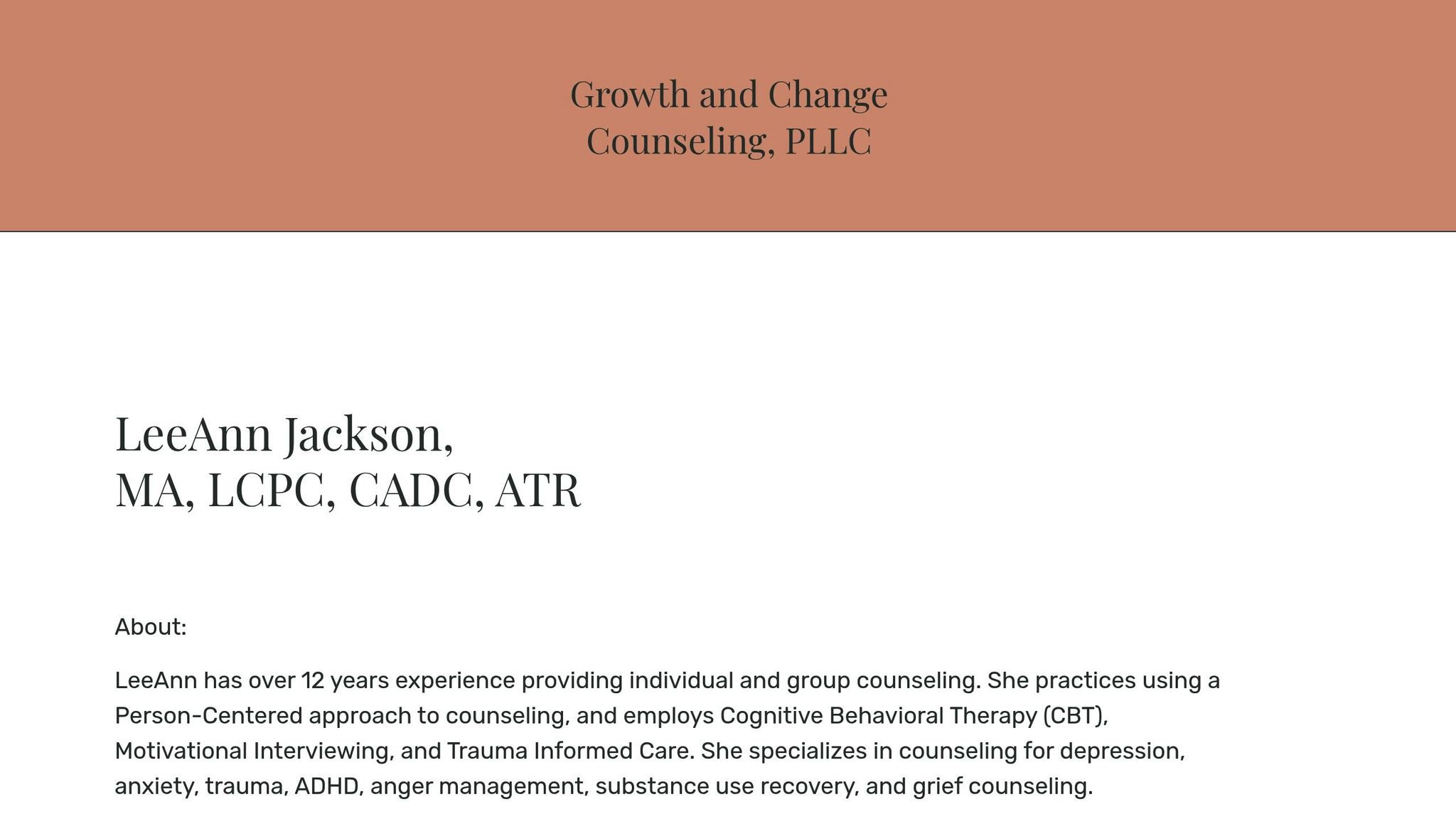
Growth and Change Counseling is dedicated to helping couples tackle these challenges head-on. Their approach prioritizes emotional and relational well-being, offering both individual and couples therapy to address mental health from multiple perspectives.
At the heart of their couples services is The Marriage Rescue Institute, a 12-week intensive coaching program designed specifically for relationships in crisis. This program provides a structured, goal-oriented process that helps couples rebuild trust, improve communication, and tackle deep-rooted issues often exacerbated by anxiety and depression.
Unlike open-ended therapy, this program is designed to deliver measurable progress within three months. It combines practical conflict management tools with strategies to strengthen emotional bonds and build resilience against future challenges.
In addition to couples therapy, Growth and Change Counseling offers individual therapy, family therapy, and parent coaching. Their services address a range of issues, including anxiety, depression, addiction, trauma, and challenges in neurodiverse relationships. This comprehensive approach allows both partners to work on personal mental health while improving their relationship together.
All sessions are currently conducted via telehealth, making their services accessible to couples throughout California. Growth and Change Counseling serves clients in Campbell, San Jose, Los Angeles, and Roseville, with telehealth extending their reach across the state.
Steps to Start Counseling
Getting started with professional counseling is straightforward, thanks to Growth and Change Counseling’s welcoming process.
The quickest way to begin is to call or text John Kane at 408-461-9658. Alternatively, you can email them at support@johnmarkkane.com. Many therapists offer a free consultation to discuss your needs and determine if their approach aligns with your goals.
"It starts with a conversation!" – Jamula Taylor, LMFT #129183, Growth and Change Counseling
For those interested in The Marriage Rescue Institute, the process begins with a "couples strategy session" where pricing and program details are clearly outlined. This session ensures you know what to expect and feel confident before committing.
"If you feel lost and uncertain, still give me a call. It just starts with a conversation." – Brianna Martin, AMFT #144492, Growth and Change Counseling
Before your first session, take time to discuss your goals and concerns with your partner. Be open about your challenges and what success looks like for both of you. During the initial meeting, the therapist will explore your current situation, your desired outcomes, and how to work together to bridge the gap. Individual sessions typically range from $100 to $200 for 45 minutes, with detailed pricing provided during the strategy session.
Early intervention often leads to better outcomes [2]. The sooner you seek help, the more options you’ll have, and the faster you’re likely to see improvement. Combining professional counseling with daily connection and self-care strengthens your overall resilience. Many couples find that pairing individual therapy with couples work yields even better results, as both partners can address personal mental health concerns that affect the relationship.
While professional counseling requires a financial investment, it’s one that pays off. Considering that divorce in the United States can cost $15,000 to $30,000 or more [2], therapy represents both an emotional and financial commitment to your future together.
Creating Lasting Resilience
Building resilience in a marriage isn’t a one-and-done task – it’s an ongoing journey. It takes deliberate planning, consistent effort, and the ability to adjust when life throws curveballs. The strongest relationships create systems that not only help them survive tough times but thrive in spite of them.
Making Your Resilience Plan
A resilience plan acts as a roadmap for navigating life’s challenges together. Instead of reacting in the moment, it gives you a framework to approach difficulties as a team.
Start by setting SMART goals – goals that are Specific, Measurable, Achievable, Relevant, and Time-bound. For example, you might agree to carve out 20 minutes each evening to talk about your day, uninterrupted, for the next month.
Next, identify strategies that work for both of you. Schedule monthly check-ins to discuss how things are going, and put together a resilience toolkit. This could include emergency contacts, coping techniques, or resources you can lean on when times get tough.
Collaboration is key. When both partners contribute to the plan, you’re more likely to stick with it. Plus, having a clear plan makes it easier to track even small victories, which can fuel your motivation to keep going.
Recognizing Progress and Small Victories
Resilience isn’t built on dramatic moments – it’s the small, everyday improvements that add up over time. For example, nearly 90% of clients report better emotional health after attending marriage and family therapy, and almost two-thirds see improvements in their physical health [3].
Celebrating these small wins can strengthen your emotional connection and reinforce positive behaviors. Maybe your partner successfully uses a new coping strategy during a stressful week – acknowledge it. Or perhaps you both navigate a tough conversation without it escalating into an argument – that’s worth celebrating, too.
These celebrations don’t have to be grand gestures. A simple “I’m proud of how we handled that” or “You did great today” can go a long way. For bigger milestones, consider small rewards like a favorite meal, a special outing, or even just taking a moment to appreciate how far you’ve come.
Keeping track of your progress – whether in a shared journal, through calendar reminders, or during your monthly check-ins – can help you see patterns and build confidence for future challenges. And remember, setbacks don’t erase progress. If old habits resurface or mental health challenges flare up, it doesn’t mean you’re starting over. Resilient couples view setbacks as opportunities to learn, not as failures.
Research shows that resilience and adaptive coping are strongly linked to higher marital satisfaction, especially in families dealing with chronic stress [1]. Couples who thrive are the ones who consistently recognize and celebrate their growth, no matter how small it may seem.
Preparing for Difficult Times
Every marriage will face its share of tough times – whether it’s job loss, illness, family crises, or unexpected mental health challenges. The couples who navigate these periods successfully are often those who prepare in advance rather than scrambling in the moment.
Anticipating stressors doesn’t mean expecting the worst. It’s about having honest conversations about potential challenges specific to your situation. For instance, if one partner tends to experience seasonal depression, plan ahead for those months. If work stress peaks at certain times of the year, discuss how you’ll support each other during those periods.
Establish clear signals to communicate when one of you needs extra support. This could be as simple as saying, “I’m having a tough day” or using a specific phrase that signals you’re struggling without needing to explain everything right away.
During difficult times, open communication becomes even more critical. Practice active listening and empathy when your partner shares their concerns, and create a space where both of you can express worries without fear of judgment. Sometimes, just feeling heard can lighten the emotional load.
When stress levels rise, consider scaling back on non-essential commitments. Skip a social event, order takeout instead of cooking, or temporarily adjust your exercise routine to something less demanding. Simplifying your responsibilities can free up energy for what matters most.
If things feel overwhelming, professional counseling can offer valuable guidance [5]. Don’t wait for a crisis to seek help. Establishing a relationship with a therapist early on makes it easier to access support when you need it most. Programs like the 12-week Marriage Rescue Institute from Growth and Change Counseling can be particularly helpful for building resilience before major challenges arise.
Flexibility is also crucial. If your usual coping strategy isn’t available – say your favorite walking route is closed or your therapist is out of town – have a backup plan ready. Being adaptable ensures you can stay steady even when circumstances change unexpectedly.
The goal isn’t to eliminate stress entirely but to equip yourselves with the tools and mindset to tackle challenges as a team. When you prepare together, you’re not just bracing for tough times – you’re solidifying the foundation of your relationship for whatever lies ahead.
Conclusion: Building a Stronger Marriage Through Resilience
Strengthening resilience in marriage isn’t about striving for perfection – it’s about equipping yourselves with the tools and mindset to navigate life’s challenges together. When anxiety and depression become part of the equation, the stakes feel higher, but the fundamentals remain unchanged: open communication, genuine emotional support, and professional guidance are the cornerstones of enduring resilience. The strategies outlined here – from fostering honest dialogue to seeking professional help – offer a clear and unified approach to facing these challenges head-on.
Creating a resilient marriage means embracing vulnerability and committing to growth as a team. Studies show that Emotionally-Focused Therapy (EFT) leads to positive outcomes for nearly 90% of couples, with about 75% experiencing significant improvements [4]. These statistics highlight the value of taking proactive steps – seeking help is an investment in both your relationship and your future.
At the heart of resilience is communication. Honest conversations about mental health aren’t just about sharing facts – they’re about building trust and deepening intimacy. Couples who thrive learn to listen with empathy, speak with kindness, and approach problems as a united front.
Emotional support goes beyond kind gestures or comforting words. It means being present, validating your partner’s feelings, and offering encouragement, even when their struggles feel hard to grasp. This kind of consistent support not only eases feelings of isolation but also strengthens the bond between you.
Professional counseling can accelerate this process by providing expert guidance and a neutral space to address difficult topics. Research shows that the benefits of therapy often extend for at least two years after sessions conclude [4], emphasizing the long-term value of seeking professional help to solidify your relationship’s resilience.
Specialized services can also help you put these principles into practice. Growth and Change Counseling offers tailored support for both individuals and couples. Their Marriage Rescue Institute, for example, provides a structured 12-week program designed specifically for couples navigating significant challenges, ensuring both partners receive the guidance they need to grow together.
The road to resilience is rarely without obstacles, but setbacks don’t erase progress. What matters most is your shared commitment to facing difficulties together, celebrating small victories, and holding onto hope for the future. Every heartfelt conversation, every act of support, and every step toward professional help builds a stronger foundation for your marriage.
With the right tools, support, and a commitment to growth, your marriage can not only withstand challenges but emerge stronger – offering both of you a deeper connection and a renewed sense of well-being.
Common Questions About Marriages and Growth and Change Counseling
What are the early signs that anxiety and depression might be impacting a marriage?
Anxiety and depression can quietly seep into a marriage, often manifesting as heightened irritability, emotional detachment, or struggles with open communication. These challenges can leave partners feeling distant, overwhelmed, or unable to handle daily stress as a team.
Some common signs include recurring arguments over trivial matters, noticeable shifts in intimacy, or one partner pulling away emotionally. Spotting these warning signs early gives couples a chance to tackle issues head-on, strengthening their bond and building a more supportive relationship.
What daily habits can couples practice to build a stronger emotional connection?
Strengthening the emotional bond in your relationship often starts with small, intentional actions woven into your daily routine. Set aside time each day for meaningful, distraction-free conversations – whether it’s over a meal or during a leisurely walk. These moments of connection can make all the difference.
Another simple yet impactful habit is expressing gratitude. Recognizing and appreciating even the smallest gestures from your partner can deepen your connection and foster a sense of mutual appreciation.
Active listening also plays a crucial role. Show genuine interest in your partner’s thoughts and feelings, and take the time to validate their emotions. And don’t underestimate the power of physical touch – holding hands, sharing a hug, or even a quick kiss can go a long way in reinforcing your bond. When these habits become part of your everyday life, they help build a relationship rooted in trust, support, and understanding.
How do you know when it’s time to seek professional help for relationship challenges, and what should couples expect from counseling?
If you and your partner find yourselves dealing with constant disagreements, emotional disconnection, or difficulties related to anxiety and depression, it might be worth considering professional counseling. Taking this step early can help address problems before they grow larger and equip you with strategies to improve your relationship.
Counseling offers a safe, supportive, and nonjudgmental environment where couples can work through challenges, enhance communication, and rebuild trust. With the help of a professional, you can uncover deeper issues, foster emotional healing, and pave the way toward a stronger and more connected partnership.
Related Blog Posts
- How to Create a Crisis Recovery Plan for Your Marriage
- Autism vs. Depression: Understanding Co-occurring Conditions
- Addiction Recovery and Emotional Connection in Marriage
- Trauma and Depression in Marriage: Key Connections
