Faith-based parenting helps families break cycles of generational trauma by combining biblical principles with practical steps. Many families unknowingly carry inherited patterns like emotional distance, harsh discipline, or conflict. By focusing on God’s love, forgiveness, and guidance, parents can create emotionally safe homes and raise spiritually secure children.
Key takeaways:
- Generational trauma often manifests as repeated patterns like perfectionism, fear of vulnerability, or emotional withdrawal.
- Biblical teachings emphasize forgiveness, love, and transformation (e.g., Romans 12:2, Colossians 3:13).
- Practical steps include open communication, prayer, and creating emotionally safe spaces.
- Professional counseling can complement faith-based efforts, especially for complex challenges like trauma or family conflict.
Healing is a process that requires prayer, consistent effort, and sometimes professional support. By addressing these patterns, families can build a legacy of emotional and spiritual well-being.
S5 Ep 5: The Cycle Ends with You: Breaking Generational Trauma
What Is Generational Trauma in Christian Families
Generational trauma refers to cycles of emotional pain and dysfunction that are passed down within families. In Christian households, these patterns often manifest as recurring issues like emotional distance, poor communication, fear of vulnerability, or ongoing conflict. Despite strong faith and good intentions, these struggles can feel deeply ingrained, creating unspoken rules and automatic behaviors that perpetuate pain over time [6]. Understanding how these patterns are inherited is key to breaking the cycle.
Even families deeply rooted in their faith can carry these harmful dynamics. A household may faithfully attend church, pray together, and genuinely love Jesus, yet still wrestle with the same relational challenges their parents and grandparents faced. Acknowledging these inherited wounds is the first step toward experiencing God’s healing and transformative love.
The CDC reports that about 61% of adults in the U.S. have experienced at least one adverse childhood experience (ACE). These experiences are closely tied to generational trauma and increase the risk of mental health challenges across generations [8]. This means many Christian families may unknowingly be navigating inherited emotional pain.
How Trauma Passes Between Generations
Trauma often moves through families in subtle but powerful ways. Children naturally mimic their parents’ behaviors and coping mechanisms, even when those patterns are unhealthy [1][2].
For example, if a parent grew up in a home where emotions were dismissed or seen as a weakness, they might struggle to validate their own children’s feelings. A parent might say things like, "Don’t cry" or "Be strong", unintentionally teaching their child that emotions are unwelcome or even unsafe.
Emotional and behavioral responses to trauma can become automatic, almost reflexive [1]. A parent who faced harsh criticism as a child may either become overly critical themselves or avoid setting boundaries entirely, swinging to the opposite extreme.
Some common ways trauma gets passed down include:
- Perfectionism, rooted in a constant feeling of inadequacy
- Emotional withdrawal during stress or conflict
- Harsh discipline, echoing how they were raised
- Difficulty showing love or giving physical affection
- Fear of vulnerability, which blocks deep family connections
- Repeating cycles of conflict, where the same arguments resurface generation after generation
What might seem like family traits or personality quirks are often learned responses to unresolved pain. The good news? What’s learned can also be unlearned. With intentional healing and God’s grace, families can rewrite these patterns.
What the Bible Says About Breaking Family Patterns
The Bible doesn’t shy away from acknowledging generational patterns. It provides examples of families where issues like favoritism, deception, and conflict were passed down, such as the family of Abraham, Isaac, and Jacob [3].
But scripture also shows us that faith can break these destructive cycles. Take Joseph’s story, for instance. Despite being betrayed by his brothers and enduring years of hardship, Joseph chose forgiveness over revenge. His decision to trust God’s plan disrupted the cycle of family conflict that had plagued his lineage [3].
"Love is patient, love is kind. It does not envy, it does not boast, it is not proud. It does not dishonor others, it is not self-seeking, it is not easily angered, it keeps no record of wrongs…" – 1 Corinthians 13:4-6 [7]
The Bible encourages believers to pursue renewal and transformation. Romans 12:2 calls us to “not conform to the world’s patterns” but to “be transformed by the renewing of your mind.” This verse challenges us to reject harmful family habits that go against God’s vision for loving relationships [3].
Forgiveness is also a central theme in breaking these cycles. Colossians 3:13 urges, “Bear with each other and forgive one another if any of you has a grievance against someone. Forgive as the Lord forgave you” [3]. Forgiveness doesn’t mean ignoring harm – it means letting go of bitterness and choosing healing.
Christian parents can take heart in 2 Corinthians 12:9, where God promises, “My grace is sufficient for you, for my power is made perfect in weakness.” Breaking generational patterns isn’t about being perfect parents. It’s about relying on God’s strength to work through our imperfections and create something new [3].
Ultimately, true healing comes through God’s presence and the power of the gospel – not just through human effort or psychological strategies [3][4]. When families combine their faith with practical steps toward healing, they open the door to the restoration and freedom that God desires for every generation.
How to Spot Generational Trauma in Your Family
Recognizing generational trauma is the first step toward healing [2][6]. Many Christian parents find it challenging to identify these patterns because they often feel so familiar. Thankfully, God provides wisdom to help us see these issues clearly when we seek His guidance.
The Substance Abuse and Mental Health Services Administration (SAMHSA) reports that about two-thirds of children experience at least one traumatic event by the age of 16 [9]. This statistic suggests that many families may carry some level of inherited pain. Identifying these signs is an essential step toward embracing Christian healing methods.
Warning Signs in Family Relationships
Generational trauma often shows up in the way families interact daily. One common sign is difficulty expressing emotions [1]. If your family tends to avoid talking about feelings or dismisses them as unimportant, it could indicate an inherited pattern. Similarly, broken trust between family members is another red flag [1]. For instance, children may hesitate to admit mistakes, or spouses might keep secrets to avoid conflict.
Avoiding tough conversations is another indicator [1]. When important topics are consistently ignored, underlying issues remain unresolved. Unhealthy conflict resolution – whether it’s frequent yelling over minor disagreements or completely withdrawing from discussions – can also point to unresolved generational trauma [1].
Other signs include ongoing family tension, secrecy about past events, or recurring cycles of similar negative behaviors across generations [6]. If you notice that the same relationship struggles persist from one generation to the next, it’s a strong indication that generational patterns may be at play.
How Past Trauma Affects Your Parenting
Unhealed trauma can significantly impact how parents respond to their children. Stress from unresolved pain often leads to overreactions or difficulty managing emotions in parenting situations [2]. Even typical childhood behaviors can feel overwhelming.
Many parents unknowingly repeat the negative patterns they experienced as children [2]. For example, a parent raised with harsh discipline may become overly strict, while someone who faced emotional neglect might struggle to show affection consistently.
Being easily triggered is another telling sign [2]. If your child’s tears make you uncomfortable, it could stem from a childhood where crying wasn’t accepted. The CDC-Kaiser Permanente Adverse Childhood Experiences (ACE) Study highlights that higher ACE scores are linked to an increased risk of chronic health problems, mental illness, and substance abuse in adulthood [9].
Other signs include difficulty trusting your children or struggling to express affection consistently [2]. You might find yourself overly suspicious of their motives or feel awkward during moments that call for natural, loving connection. It’s also common to project personal fears onto children. For example, a parent who experienced abandonment might become overly protective, while someone who faced harsh criticism might have trouble setting balanced boundaries.
A powerful example shared by The Gospel Coalition involves a man named Fred, who hadn’t spoken to his mother for eight years due to unresolved trauma. Through biblical counseling and reflecting on Scripture, Fred wrote a letter of grace and truth to his mother. Even though she never responded, he found personal freedom through the process [3]. His story shows how understanding generational patterns can open the door to healing, even if others aren’t ready to participate.
Creating a safe space for your children to express their feelings can be difficult if you haven’t learned to manage emotions in healthy ways [1]. If you find yourself dismissing your child’s concerns or minimizing their pain, these responses may reflect emotional patterns from your own upbringing.
Recognizing these patterns doesn’t mean you’re a bad parent – it means you’re ready to break the cycle. Lean on God’s guidance to transform these inherited responses. By acknowledging these influences, you equip yourself to implement faith-based strategies for meaningful change.
Christian Methods for Healing and Change
Once you’ve identified generational trauma patterns within your family, God offers ways to break those harmful cycles. These faith-based methods blend biblical guidance with practical parenting strategies, offering a path to rewrite your family’s story.
Healing is a journey that requires purposeful, scripture-based actions. Romans 12:2 reminds us of the transformative power of renewing our minds through God’s truth. This renewal isn’t instant but grows through consistent application of biblical principles in everyday life. Let’s explore how to embark on this spiritually grounded path to healing.
Step 1: Seek God Through Prayer and Bible Study
Recognizing generational patterns is only the beginning – true healing begins with prayer and Scripture. These spiritual practices lay the foundation for meaningful change. James 1:5 assures us that God generously provides wisdom to those who ask, making prayer and Bible study essential tools for parents seeking to break negative cycles.
Setting aside time for daily family devotions creates opportunities for connection and spiritual growth. Whether it’s in the morning or at bedtime, dedicate time to read passages that emphasize God’s love and restoration. Psalms can bring comfort during tough times, while stories of forgiveness and redemption throughout the Bible inspire hope for the future.
When old patterns resurface – perhaps triggered by your child’s behavior – pause and pray for wisdom. This moment of reflection interrupts automatic reactions, allowing God to guide your response.
Encourage your children to share their thoughts during devotions. This creates a safe space for honest conversations and strengthens spiritual bonds. With a strong foundation in prayer and Scripture, the next step is to reflect God’s love in daily interactions.
Step 2: Demonstrate and Teach God’s Love Every Day
Deuteronomy 6:6-7 calls parents to teach God’s commands diligently, turning everyday moments into lessons of His love, forgiveness, and grace.
Showing unconditional acceptance mirrors God’s love and helps children feel valued and secure. When your child makes mistakes, respond with patience and grace. This doesn’t mean ignoring consequences but addressing behavior while affirming their worth and your unwavering commitment to them.
Simple acts like offering hugs, spending quality time, and speaking encouraging words can profoundly impact your child’s emotional well-being. These actions create an environment of safety and help them heal from past hurts, fostering a healthy sense of self-worth.
Forgiveness is another powerful tool. Apologize when you fall short, extend grace when your children make mistakes, and use these moments to demonstrate God’s forgiveness. For example, Justin and Lindsey Holcomb shared a story of a parent helping their child process trauma by praying together, reading Scripture, and consistently showing love and reassurance. This approach not only strengthened the child’s emotional well-being but also deepened their spiritual connection.
With love as the foundation, the next step is to focus on building healthy communication within the family.
Step 3: Cultivate Healthy Family Communication
Healthy communication, rooted in biblical principles, is vital for any family seeking healing and growth. Clear, open dialogue strengthens relationships and reflects God’s wisdom.
Start by practicing active listening. Put away distractions, give your full attention, and ask clarifying questions. Follow the biblical principle of being "quick to listen, slow to speak" as a guide for these conversations.
When conflicts arise, address them promptly using biblical teachings like those in Matthew 18:15-17 and Ephesians 4:15. Resolving disagreements quickly prevents resentment and fosters deeper understanding. As counselor John Mark Kane explains, “Conflict is a pathway to intimacy. If there’s no conflict in a relationship, at least one person isn’t being genuine.” By viewing disagreements as opportunities for growth rather than threats, families can build stronger connections.
Creating emotional safety is key. Allow your children to express their feelings without fear of judgment. Validate their experiences and gently guide them toward biblical truth and hope, supporting their healing process while reinforcing their faith.
Regular family meetings can also enhance communication. Use these times to plan, address concerns, celebrate achievements, and pray together. Encourage each family member to share challenges and gratitude, fostering a culture of honesty and mutual support.
Let 1 Corinthians 13:4-6 guide your interactions: “Love is patient, love is kind. It does not envy, it does not boast, it is not proud. It does not dishonor others, it is not self-seeking, it is not easily angered, it keeps no record of wrongs.” When difficulties arise, return to these principles to navigate them with love and grace.
sbb-itb-596b85d
Combining Faith with Professional Counseling
Once families have embraced prayer, Scripture study, and open communication, they may find that adding professional guidance can strengthen their faith-based healing journey. While spiritual practices provide the foundation, some challenges call for the expertise of trained professionals. Professional counseling doesn’t replace faith – it works alongside it. This approach acknowledges that God can work through various means, including skilled counselors equipped with tools to support healing.
When families blend their spiritual practices with evidence-based therapeutic methods, the healing process can become more effective. Research shows that individuals receiving therapy that integrates spiritual principles often report higher satisfaction and a stronger sense of support, especially those with deeply rooted religious beliefs [4]. By addressing both spiritual and emotional needs, families can experience more lasting transformation. The following sections explore when and how professional counseling can complement faith.
When Families Need Professional Support
Certain circumstances call for the intervention of professional counselors to work alongside faith-based efforts. Seeking help in these moments is a sign of strength and wisdom, much like turning to a doctor for physical ailments. Emotional wounds, when left unaddressed, can persist despite prayer and biblical guidance.
Professional help may be necessary if anxiety, depression, or anger disrupts daily life, even with consistent spiritual practices. Persistent emotional or behavioral struggles, such as addiction to substances, media, or pornography, often benefit from the strategies and support that therapists can provide [7].
Trauma – whether complex or related to PTSD – can also require professional attention, particularly when it hinders relationships or personal growth [7]. Marital conflicts, communication breakdowns, or ongoing family dysfunction that haven’t improved through faith-based approaches alone are additional reasons to seek counseling [7].
Parents may need extra support when children face significant behavioral challenges like defiance, school refusal, or anger, or when they struggle with emotional issues such as self-harm, depression, or anxiety [7]. Families navigating neurodiverse dynamics, such as living with a member who has Asperger’s or high-functioning autism, can also find valuable guidance from trained counselors [7].
In 2022, the Rodgers Christian Counseling Center in Tennessee reported that families participating in a 12-week Christian trauma recovery program, which combined cognitive behavioral therapy and prayer, saw a 40% reduction in trauma symptoms and improved family communication based on pre- and post-program assessments [4].
How Growth and Change Counseling Supports Christian Families
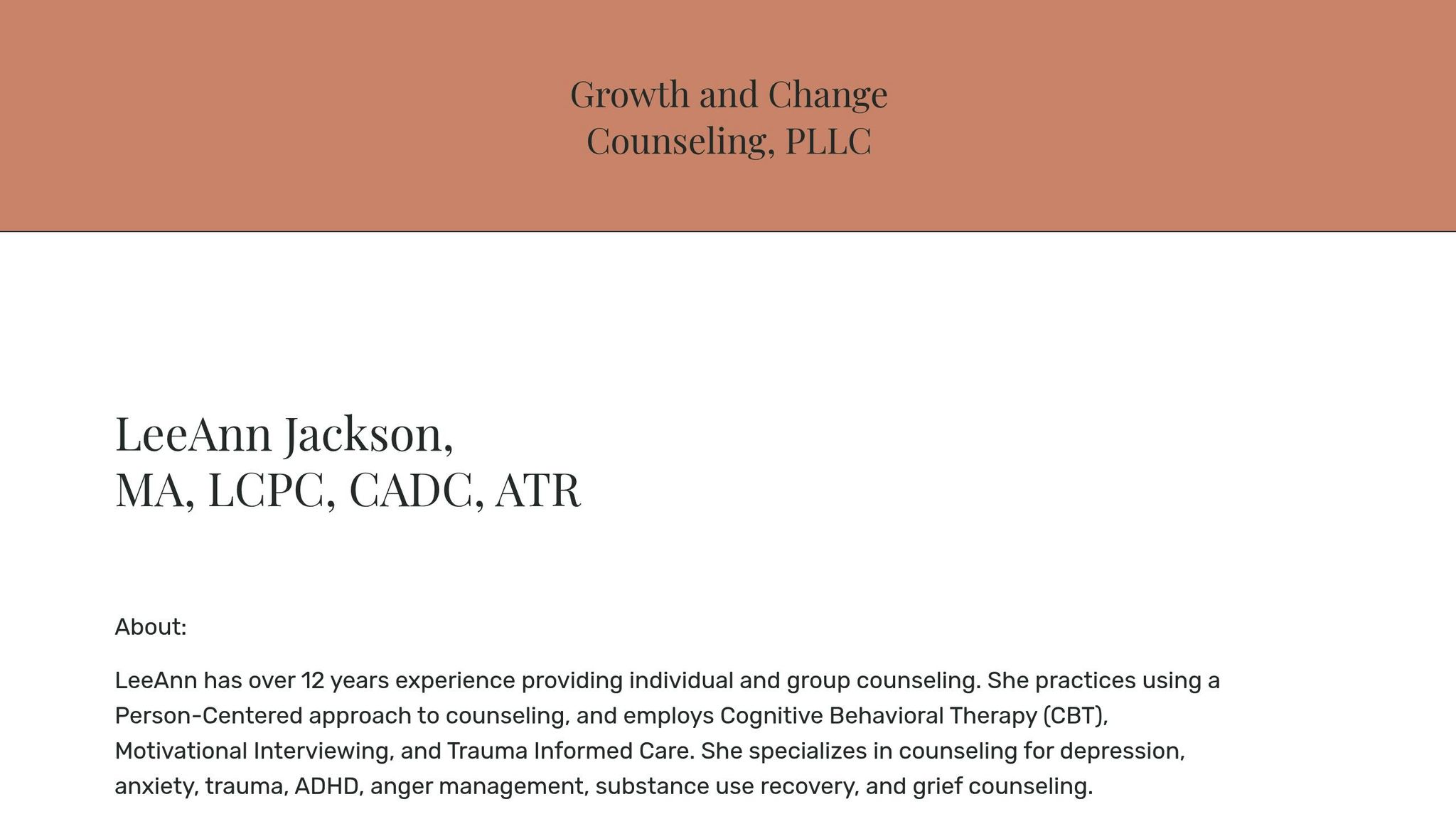
As professional counseling becomes an important supplement to faith, specialized services like Growth and Change Counseling can guide families through their healing process. This practice integrates therapeutic techniques with Christian values, addressing both spiritual and psychological needs. Their approach ensures families receive tools that align with their beliefs while delivering effective, evidence-based care.
Growth and Change Counseling provides services such as family therapy, parent coaching, and trauma treatment, blending psychological interventions with faith principles to address the whole person. Their therapists are trained in Christian Psychology, offering faith-integrated care to those who seek it.
For couples facing severe relationship difficulties, the practice offers the Marriage Rescue Institute – a 12-week intensive program designed to help couples in crisis rebuild their marriages. This program not only addresses immediate issues but also works to prevent generational patterns that could affect children.
With locations in Campbell, San Jose, Los Angeles, and Roseville, as well as telehealth options available across California, Growth and Change Counseling ensures that families can access consistent, faith-based professional support wherever they are. Individual therapy starts at $200 for a 45-minute session, while Associate Therapy sessions begin at $150, with sliding scale options starting at $100 for qualifying families.
According to the American Association of Christian Counselors, as of 2023, over 50,000 counselors in the U.S. integrate faith and psychology in their practices [4].
Christian-integrated counseling recognizes that healing involves both forgiveness and actionable change. Counselors provide safe spaces for families to process trauma while encouraging biblical principles like forgiveness and reconciliation. Techniques such as cognitive behavioral therapy address negative thought patterns, while prayer and spiritual reflection offer additional comfort and strength [4]. This dual approach honors both psychological science and faith, creating a pathway to healing that feels both meaningful and complete.
Creating Strong, Emotionally Healthy Families
Building a family where children can thrive emotionally and spiritually requires daily, intentional choices. By blending meaningful spiritual practices with emotional connections, families can create an environment that nurtures healing and growth.
Research from the Barna Group in 2022 highlights that children who regularly engage in family faith practices report better emotional well-being and experience less anxiety and depression [10]. These consistent routines lay the groundwork for lasting emotional health.
Daily Practices for Family Growth
Family devotions and prayer time are essential to spiritually and emotionally healthy homes. Dedicating just 10–15 minutes daily to Bible reading, prayer, and discussions helps children absorb spiritual truths while expanding their emotional vocabulary [1].
Gratitude practices can strengthen emotional resilience. For instance, sharing three things each family member is thankful for during dinner shifts focus toward positivity and builds coping skills [1]. These moments of gratitude, paired with open conversations about faith and feelings, create a deeper sense of emotional safety.
Open conversations about faith and feelings foster trust and connection. For younger children, parents might ask simple questions like, "What made you happy or sad today?" and tie their answers to God’s love [1][5]. Older children can explore more complex topics, such as challenges at school or with friends, and consider how their faith can guide their responses.
Forgiveness practices are another key to breaking cycles of bitterness and resentment. Daily acts of forgiveness encourage a culture of grace and emotional healing [3]. Scriptures like Ephesians 4:32 – "Be kind and compassionate to one another, forgiving each other, just as in Christ God forgave you" – offer powerful guidance for applying forgiveness to everyday life [1][3].
These practices not only strengthen the family’s foundation but also help parents model emotional wellness, creating a ripple effect of healing and growth.
Taking Care of Yourself as a Parent
Parents play a vital role in setting the tone for emotional and spiritual health within the family. When parents prioritize their own well-being, they reflect Christ’s strength and resilience, offering their children a powerful example to follow.
Emotional self-care starts with recognizing personal limits and seeking help when needed. This might mean joining a church support group, carving out time for friendships, or pursuing hobbies that bring joy and renewal. By expressing their emotions honestly – while maintaining healthy boundaries – parents teach their children that emotions are valid and manageable [1][5].
Spiritual self-care is equally important. Spending personal time with God through prayer and Bible study, separate from family devotions, equips parents to lead with wisdom and grace. A strong personal relationship with God helps parents guide their children through challenges with biblical insight.
"It is not the trials in your life that develop or destroy you, but rather your response to those hardships." – Charles Stanley [7]
Setting clear boundaries is another crucial aspect. Whether it’s limiting commitments, creating quiet spaces, or managing technology use, boundaries protect the family’s well-being and teach respect for personal limits.
Seeking professional support when needed is a sign of strength, not weakness. Persistent feelings of being overwhelmed, struggles with managing emotions, ongoing family conflicts, or signs of anxiety, depression, or trauma in children may indicate the need for additional help [1][4]. Organizations like Growth and Change Counseling provide parent coaching, family therapy, and trauma-informed care tailored to Christian families, offering both in-person and telehealth options across California.
Healing is not a straight path – it’s a cycle of awareness, ownership, and integration that often requires ongoing support from God and others [2]. Parents who embrace this process can extend grace to themselves and their children, trusting that consistent love and faith practices will lead to lasting transformation over time.
Moving Forward: Your Family’s Healing Journey
Healing from generational trauma is not a one-time event – it’s a journey that unfolds over time. While the initial steps are important, the process continues as families practice faith and perseverance. Healing takes time, and understanding this can help families remain hopeful during tough seasons and celebrate even the smallest victories along the way.
The process of healing often follows a rhythm of awareness, ownership, and integration. Families may find themselves revisiting earlier stages as new layers of trauma surface or unexpected triggers arise. This cyclical nature isn’t a setback – it’s an opportunity for deeper healing. Each cycle brings fresh understanding and spiritual growth, preparing families for meaningful change.
Keeping prayer and Scripture at the center of this journey is key. Incorporating healing-focused Bible verses into daily life can provide comfort and direction. For example, memorizing verses like Psalm 34:18 – “The Lord is close to the brokenhearted and saves those who are crushed in spirit” – or reflecting on Romans 12:2, which emphasizes the renewal of the mind, can serve as powerful reminders of God’s presence and healing power during difficult times.
Change often starts with small, deliberate actions. Consider John, who struggled to forgive his absent, angry father. Through prayer and meditating on Romans 5:8 – “While we were still sinners, Christ died for us” – his resentment began to shift into compassion. His decision to make a brief phone call to his father was a small step, but it marked the start of forgiveness and a significant milestone in his healing journey.
Sometimes, personal efforts need to be supplemented with professional guidance. Growth and Change Counseling offers services that blend biblical principles with evidence-based therapy, such as parent coaching and trauma treatment. Their approach combines therapeutic tools with prayer and Scripture to address emotional wounds while building practical coping skills. These services are available in Campbell, San Jose, Los Angeles, and Roseville, CA, as well as through telehealth across California.
Professional support can be especially helpful when faith-based practices alone don’t resolve ongoing struggles like anxiety, depression, behavioral challenges, or strained relationships. Therapy provides a safe space for families to process trauma, develop strategies, and continue healing while maintaining a Christ-centered foundation.
Hope is the thread that sustains this journey. Families grow stronger in their faith as they witness God’s faithfulness over time. Recalling past experiences of His provision, sharing testimonies of His goodness, and focusing on what lies ahead rather than past wounds can nurture trust in His promises.
Signs of progress might include children managing their emotions more effectively, family members communicating with greater openness, or a growing ability to forgive old hurts. Parents might notice their children engaging in prayer with more ease or expressing their feelings without fear. Over time, many families see relationships restored and experience a profound peace rooted in unwavering faith.
Setbacks are a natural part of the process. When they occur, leaning into prayer, community support, and professional counseling can help families regain their footing. Focusing on progress – not perfection – and celebrating even the smallest steps forward can keep motivation alive during challenging moments.
Generational healing requires both divine grace and consistent effort. By committing to faith practices, seeking appropriate support, and trusting in God’s perfect timing, families can build a legacy of emotional and spiritual well-being that will bless future generations.
FAQs
How can Christian parents recognize and break cycles of generational trauma in their family?
Generational trauma often shows itself through recurring patterns in behavior, communication, or emotional challenges that ripple through families. For Christian parents, tackling this begins with fostering open, honest conversations. Creating a safe and supportive environment where children feel free to express their emotions is key. Parents can also set an example by demonstrating healthy emotional responses grounded in biblical values like love, forgiveness, and grace.
Incorporating prayer, studying scripture, and seeking God’s wisdom can provide comfort and direction during this process. Partnering with a trusted Christian counselor or therapist can be another valuable step. These professionals can help parents uncover deeper issues, offering practical strategies to promote emotional healing and break destructive cycles. Growth and Change Counseling specializes in supporting families through these struggles, equipping parents with tools to strengthen their bonds and build healthier relationships with their children.
What are some faith-based parenting strategies to help heal emotional wounds and break unhealthy family patterns?
Faith-based parenting can have a deep impact on emotional healing and breaking patterns of dysfunction within families. Here are some actionable ways to incorporate faith into your parenting journey:
- Lead with forgiveness and empathy: Show Christ-like values in action by practicing forgiveness and displaying empathy in your everyday interactions. Kids often mirror how parents manage emotions and handle conflicts, making your example a powerful teaching tool.
- Build trust through love and communication: Create a home environment where unconditional love and honest conversations are the norm. This feeling of security helps children understand their worth and feel deeply valued.
- Turn to prayer and scripture for guidance: Use prayer and Bible study as anchors during tough times. These spiritual practices can provide your family with a sense of direction, hope, and peace.
For families looking for additional guidance, Growth and Change Counseling offers tailored parent coaching and therapy services. Their approach blends faith-based principles with practical strategies to help families navigate emotional challenges and create stronger, healthier relationships.
When should families seek professional counseling alongside faith-based parenting strategies?
Families might consider pairing their faith-based parenting efforts with professional counseling when they face challenges like breaking cycles of trauma, improving emotional health, or managing complicated family dynamics. Counselors can offer personalized advice and practical strategies that align with faith-centered values, supporting both emotional and spiritual growth for parents and children alike.
Counseling becomes particularly valuable during periods of heightened stress – whether it’s coping with trauma, anxiety, or relationship struggles. It ensures families have access to the tools and support they need to heal and move forward together.
Faith-Based Parenting FAQs at Growth and Change Counseling
- Complete Guide to Trauma Recovery Steps
- 5 Ways Faith Supports Emotional Healing in Marriage
- 5 Steps to Forgiveness in Christian Marriage
- How Family Prayer Builds Stronger Bonds
