When a marriage is in crisis, it can feel overwhelming and hopeless. However, with the right steps, many couples can rebuild trust, improve communication, and restore emotional connection. Research shows that 97% of couples find counseling helpful, and structured recovery plans can significantly improve relationship satisfaction. Here’s a quick summary of how to approach a marital crisis:
- Understand the Crisis: Identify the core issues (e.g., infidelity, financial stress, poor communication) and recognize the signs of emotional disconnection or trust breakdown.
- Build a Recovery Plan: Focus on open communication, setting shared goals, and rebuilding trust through clear boundaries and consistent actions.
- Manage Conflict: Learn to handle disagreements constructively and control emotions during tough conversations.
- Track Progress: Set specific goals, celebrate small wins, and adjust plans as needed to keep moving forward.
- Seek Professional Help: Marriage counseling or intensive programs, like 12-week coaching, can provide tools and guidance tailored to your relationship challenges.
Recovery takes time and effort, but with a clear plan and commitment from both partners, healing and growth are possible.
💔 How to Save Your Marriage: Crisis-to-Connection Plan (7 Therapist-Backed Steps to Rebuild Trust)
What Is a Marital Crisis
To navigate a marital crisis effectively, it’s important to understand what it truly entails. A marital crisis involves deep, persistent issues that threaten the very foundation of a marriage. These aren’t your typical disagreements or rough patches – they’re ongoing problems like constant conflict, a breakdown of trust, or complete emotional detachment between partners.
What sets a crisis apart from everyday relationship struggles is its intensity, duration, and impact. While regular challenges can often be resolved with effort and teamwork, a marital crisis can feel overwhelming, leaving one or both partners questioning whether the relationship can or should continue.
"What you believe about yourself defines and shapes all of your relationships!" – John Kane, Marriage Therapist, Growth and Change Counseling
Signs of a marital crisis might include frequent arguments, emotional withdrawal, a lack of intimacy, or feelings of hopelessness about the future together. You may feel unsupported, emotionally unsafe, or as though you’re living with a roommate rather than a romantic partner. These warning signs often point to deeper issues that require attention.
One of the most difficult aspects of a marital crisis is the destruction of trust, which can happen quickly. Rebuilding that trust, however, is a long and deliberate process that demands patience, effort, and emotional awareness from both partners. This uphill battle can feel especially daunting when both individuals are already drained.
Understanding what defines a marital crisis is the first step toward addressing its root causes.
Common Causes of Marriage Crisis
Several factors can trigger a marital crisis, each with the potential to severely strain a relationship:
- Infidelity: Whether physical or emotional, an affair can devastate the trust that holds a marriage together. The betrayal often brings intense emotions like anger, disbelief, and fear, which can linger for a long time.
- Addiction: Substance abuse, gambling, or other compulsive behaviors can create cycles of dishonesty, broken promises, and financial stress. The unpredictability of an addicted partner’s actions often leaves the other feeling powerless and resentful.
- Financial Struggles: Money problems, such as job loss, overwhelming debt, or disagreements about spending, can lead to blame and shame. Financial stress often turns everyday decisions into sources of conflict.
- Chronic Stress or Major Life Changes: Events like illness, loss, or caregiving challenges can overwhelm a couple’s ability to cope. Differences in how each partner handles these stressors can lead to misunderstandings and feelings of abandonment.
- Poor Communication: Struggles with expressing needs, resolving conflicts, or showing appreciation can allow minor issues to snowball into major problems.
How Crisis Affects You and Your Family
A marital crisis doesn’t just affect the couple – it ripples out to every part of their lives and impacts the entire family. Both partners may experience heightened anxiety, depression, anger, and betrayal, which can disrupt their sleep, work, and overall health.
Children are particularly vulnerable. They may show signs of anxiety, act out, or see a decline in academic performance as they absorb the tension at home. Younger kids might regress in their development, while teens may withdraw emotionally or rebel. Family routines often fall apart, leaving children feeling unsettled and worried about their future.
Social isolation is another common outcome. Couples dealing with a crisis may pull away from friends and extended family, cutting themselves off from valuable support. Meanwhile, the home environment can become chaotic – simple decisions spark arguments, household responsibilities are neglected, and the overall atmosphere grows tense and unpredictable.
These effects often unfold in stages, which we’ll explore next.
The 3 Stages of Marriage Crisis
1. Shock and Realization
This stage begins with the recognition of a serious problem in the relationship. Intense emotions like disbelief, fear, or anger are common, and feelings of hopelessness may emerge as one or both partners question whether reconciliation is possible.
2. Escalation and Conflict
Here, tensions rise as arguments become more frequent and emotionally charged. Blame is often exchanged, and emotional distance grows. Couples may engage in destructive behaviors or even threaten separation. Recovery becomes harder when each partner has different approaches to coping – one may want to talk through every detail, while the other prefers to move on without revisiting painful memories. Forcing one partner’s method onto the other can deepen the divide.
3. Decision Point – Repair or Separation
At this critical juncture, couples must decide whether to work on repairing the relationship or move toward separation.
"We understand that our mental health conditions are related to the breakdown in our relationships and that we can’t simply make depression, anxiety, or other problems go away by simply treating the symptoms. We have to get down to the roots of the problems in order to help people effectively heal." – Jamula Taylor, LMFT, Growth and Change Counseling
For reconciliation to be possible, both partners need to acknowledge the issues, take responsibility for their roles, and maintain a sense of love and respect for one another. Experiencing more positive moments than negative ones is also crucial. Without these elements, the path to recovery becomes much steeper.
Addressing a marital crisis early can significantly improve the chances of saving the relationship. Delaying action often leads to deeper emotional wounds, entrenched negative patterns, and a higher likelihood of permanent separation.
Core Parts of a Crisis Recovery Plan
A solid crisis recovery plan relies on three key components that work together to rebuild the foundation of a marriage. These elements provide a clear path forward, helping couples move from turmoil to stability with a sense of direction and renewed hope.
Open Communication and Setting Shared Goals
Honest communication is at the heart of any recovery process. During a crisis, couples often stop addressing important issues or fall into destructive cycles of blame and argument. Breaking out of this pattern requires deliberate effort to create a safe space for meaningful conversations.
Set aside dedicated time each week to talk openly about your relationship. These discussions should focus not only on challenges but also on the positive aspects of your partnership. The goal is to identify solutions and celebrate progress together.
Active listening is a crucial skill here. Truly hearing your partner – without planning a rebuttal – can deepen understanding. Questions like, "How did that make you feel?" or "What can I do to support you better?" encourage open dialogue. Using "I" statements, such as "I feel unheard when our conversations are interrupted", instead of "You never listen to me", can reduce defensiveness and foster constructive discussions.
Shared goals give your recovery plan purpose and direction. These goals should align with both partners’ vision for the relationship. For example, you might aim to rebuild trust, improve intimacy, schedule regular date nights, or attend counseling sessions together. It’s essential to agree on what success looks like and how to measure progress. Instead of a vague goal like "communicate better", try something more specific, such as "have one uninterrupted 30-minute conversation every Tuesday evening to discuss our week and relationship."
Research shows that couples who engage in intentional communication and set shared goals are 2.5 times more likely to experience marital satisfaction compared to those who don’t[3].
This foundation of communication makes it easier to rebuild trust through clear expectations.
Setting Boundaries and Rebuilding Trust
Once open communication is established, the next step is setting boundaries to restore trust. Rebuilding trust is a gradual process, especially after events like infidelity, addiction, or other betrayals.
Boundaries provide the structure and predictability needed for trust to grow. These are not about controlling your partner but about creating mutual agreements that promote security. Discuss acceptable behaviors openly and make commitments to avoid actions that caused harm in the past.
Written agreements can clarify expectations and ensure accountability. These might include commitments like sharing passwords, daily check-ins, or avoiding situations that previously led to conflict. For example, a couple recovering from infidelity might agree to weekly date nights, open communication, and a written "trust covenant" outlining their commitments. In one case study from MarriageMinistry.org, such an approach led to a 50% increase in relationship satisfaction and a significant reduction in conflict within six months[2].
Consistency is key. Small, daily actions – like texting if you’re running late or following through on promises – build credibility over time. The betrayed partner may need extra reassurance, and the partner working to rebuild trust must understand that patience and persistence are essential.
Managing Conflict and Controlling Emotions
After trust begins to take root, managing conflict becomes the next vital step. Effective conflict resolution transforms disagreements into opportunities for deeper connection. Many couples in crisis fall into destructive patterns where arguments escalate quickly and resolve nothing.
"Conflict is a pathway to intimacy. If there’s no conflict in a relationship, at least one person isn’t being genuine." – Growth and Change Counseling[1]
Recognizing triggers and taking breaks during heated moments can help keep discussions productive. Establishing ground rules – such as avoiding name-calling, staying focused on the issue at hand, and allowing each person to speak without interruption – can also create a healthier environment for resolving disagreements. Some couples even use timers to ensure both partners have equal time to share their perspective.
Unresolved anger often undermines progress. Addressing this requires intentional effort, and in some cases, professional support. Therapies like Cognitive Behavioral Therapy (CBT) or Emotion Focused Therapy (EFT) can help couples navigate emotional conflicts and rebuild trust effectively.
Daily practices of appreciation can also shift the emotional tone of a relationship. For instance, couples who express gratitude regularly are 30% more likely to stay together long-term, according to the Gottman Institute[3]. One couple featured in Talkspace‘s blog worked with a therapist to improve communication and set shared goals. After three months of therapy and daily appreciation exercises, they reported a 40% improvement in emotional intimacy and a 35% reduction in arguments[3].
How to Create Your Crisis Recovery Plan
Building a recovery plan requires taking an honest look at your challenges, setting shared goals, and committing to daily actions that rebuild your connection.
Step 1: Assess Your Current Challenges
Start by reflecting individually, then come together to discuss where your relationship stands. The focus here isn’t about pointing fingers – it’s about understanding what needs to change to rebuild trust and connection.
Go beyond surface-level issues. Arguments about money, parenting, or chores often stem from deeper problems like unresolved anger, past trauma, addiction, or mental health struggles that create distance between partners.
"We understand that our mental health conditions are related to the breakdown in our relationships and that we can’t simply make depression, anxiety, or other problems go away by simply treating the symptoms. We have to get down to the roots of the problems in order to help people effectively heal."
– Jamula Taylor, LMFT, Growth and Change Counseling
Write down the specific challenges you’ve identified – both individually and as a couple. Include patterns like communication breakdowns, trust issues, and external stressors. This written list will serve as the foundation for your recovery plan, ensuring you’re addressing the real issues rather than just the latest disagreements.
Once you’ve outlined the challenges, you can begin setting actionable goals together.
Step 2: Set Goals Together
Work collaboratively to define clear, measurable goals for your relationship. Avoid vague objectives like "communicate better." Instead, aim for something specific, such as: "Have a 30-minute uninterrupted conversation every Tuesday evening to discuss our week and feelings about the relationship." Specificity makes it easier to track progress and stay accountable.
Your goals should address both immediate concerns and long-term improvements. For example, if you’re rebuilding trust after infidelity, you might focus on daily check-ins, weekly date nights, and creating a written agreement outlining commitments and boundaries. To strengthen emotional connection, consider goals like expressing daily appreciation, sharing meaningful conversations, or engaging in physical affection.
Write these goals down and revisit them regularly to ensure they remain relevant. Research shows that couples who use structured recovery plans with clear goals are far more likely to feel satisfied in their relationship after a crisis.
To keep momentum, create short-term goals (1–3 months) alongside longer-term ones (6–12 months). Quick wins can help build confidence while you work toward deeper, lasting changes.
Step 3: Create Daily and Weekly Connection Activities
Regular connection is key to rebuilding intimacy and accountability. These moments of togetherness can help replace negative patterns with positive shared experiences.
Daily activities should be simple but meaningful. For instance, you might text one thing you appreciate about each other, have coffee together in the morning, take a short walk after dinner, or share three highlights from your day before bed.
Weekly activities can be more intentional. Plan date nights, start a shared hobby, or take on a project together – these experiences create opportunities for cooperation and bonding. Set aside time each week for relationship check-ins where you celebrate progress, share concerns, and discuss any lingering issues. These conversations should balance honest feedback with recognition of positive changes.
Consistency in these activities helps build a foundation for progress while creating space for ongoing evaluation.
Step 4: Track Progress and Make Changes
Recovery isn’t a one-time fix – it’s an ongoing process. Tracking your progress keeps you motivated and helps you identify what’s working.
Keep a brief weekly journal to document successes, challenges, and updates to your goals. Note specific examples, such as improved communication, resolved conflicts, or moments of deeper connection.
Set up monthly review sessions to evaluate your plan and make adjustments as needed. Some goals might need tweaking based on what you’ve learned, while others may take more time or a new approach. It’s normal for recovery to include setbacks, and healing can take months or even years.
Celebrate small victories along the way. Whether it’s a week without major arguments, completing daily connection activities, or handling a difficult situation better than before, acknowledging progress keeps you motivated.
If parts of your plan feel overwhelming, adjust them. The goal is to support your relationship, not add unnecessary stress. And if you hit roadblocks, consider seeking additional help. Growth and Change Counseling, for example, offers specialized support through The Marriage Rescue Institute – a 12-week intensive coaching program available in-person or via telehealth across California.
sbb-itb-596b85d
Getting Professional Help for Your Marriage
Sometimes, tackling marital struggles on your own just isn’t enough. Deep-seated issues often need more than self-help books or DIY strategies. That’s where professional support steps in, offering the tools and guidance couples need to navigate the complexities of their relationship.
How Marriage Counseling Helps During Crisis
Marriage counseling provides a safe space for both partners to open up without fear of judgment or blame. A skilled therapist helps facilitate honest conversations, teaching couples how to resolve conflicts and uncover the underlying causes of their struggles instead of applying surface-level fixes.
Therapists use proven methods tailored to each couple’s unique challenges. They work together with partners to rebuild emotional connections, foster empathy, and develop practical skills for handling tough discussions. Counseling isn’t about quick fixes – it’s about creating meaningful, lasting change.
With a structured approach, counseling keeps both partners focused on their goals. Sessions often include exercises to improve communication, activities to rebuild trust, and tools to track progress over time. This professional guidance bridges the gap between emotional turmoil and genuine recovery, laying the foundation for a healthier relationship.
Growth and Change Counseling offers specialized programs to address these needs, including targeted interventions for couples in crisis.
Growth and Change Counseling‘s Marriage Rescue Institute
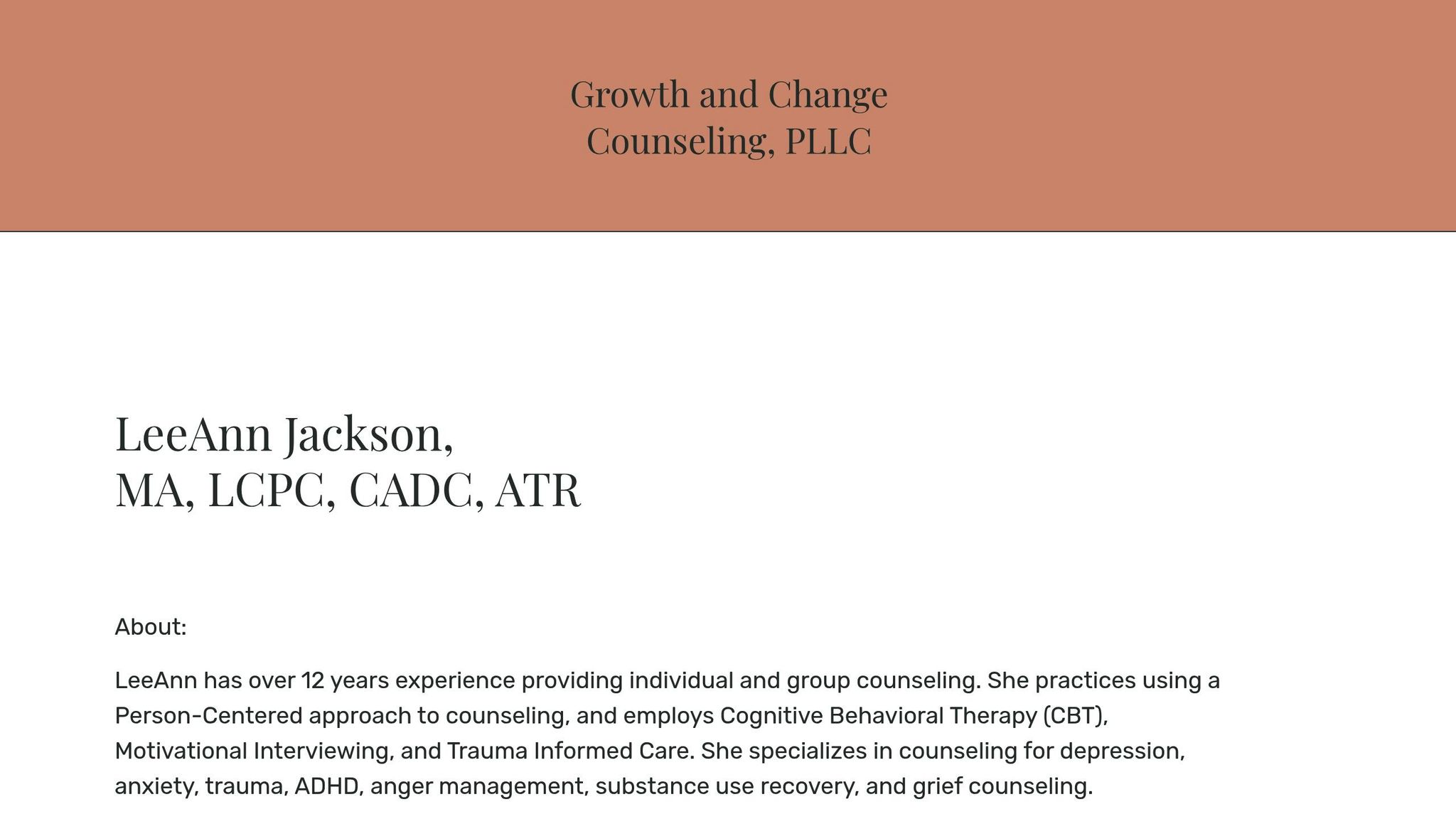
For couples facing critical challenges like infidelity, chronic disagreements, emotional distance, addiction, or broken trust, Growth and Change Counseling provides a focused 12-week coaching program through its Marriage Rescue Institute. This program offers a clear, results-driven timeline designed to help couples in dire situations rebuild their relationships.
The program includes weekly structured sessions aimed at improving communication, restoring trust, and managing emotions. Unlike traditional counseling, which can be open-ended, this intensive approach is designed to deliver measurable progress within 12 weeks.
"The Marriage Rescue Institute, our 12-week marriage program, is in the habit of putting marriages in dire circumstances back together!"
– John Kane, LMFT #134414, Founder of Growth and Change Counseling
The institute has helped couples who were separated find their way back to each other. It focuses on teaching the core principles of relational intelligence, which are essential for building strong, lasting partnerships. Whether addressing infidelity, trauma, or other complex issues, the program provides the specialized support many couples need. Costs are transparently discussed during a strategy session and are tailored to each couple’s specific needs. Services are available both in-person and through telehealth for California residents.
Other Support Services Available
Growth and Change Counseling doesn’t stop at marriage counseling. They also offer individual therapy, family therapy, and parent coaching to address the broader issues that can impact relationships.
- Individual therapy: $150–$200 per 45-minute session, with sliding scale options available.
- Family therapy and parent coaching: Tailored to help families and parents navigate challenges that influence their relationships.
Additionally, the practice provides specialized support for neurodiverse couples, helping those where one or both partners have autism or ADHD. This ensures that all aspects of a relationship are considered, not just the immediate crisis.
Research backs the effectiveness of couples therapy, with about 70% of couples reporting significant improvements in communication and relationship satisfaction. If you’re dealing with ongoing conflict, emotional disconnection, trust issues, or communication breakdowns, seeking professional help early can make a world of difference. It’s often the key to preventing small problems from spiraling into bigger ones.
Maintaining Progress and Preventing Future Problems
Once you’ve made strides in recovering from a relationship crisis, the real challenge begins: maintaining that progress and avoiding a slide back into old habits. Recovery isn’t just about the initial breakthroughs – it’s a long-term journey that requires consistent effort. Interestingly, many couples find that overcoming a crisis can lead to a stronger, happier relationship, but only if they actively nurture their growth.
Sustaining progress means understanding that recovery doesn’t follow a straight path. There will be ups and downs, and setbacks are part of the process. What makes the difference is having strategies in place to address issues early and continue building your connection. Here are some ways to ensure your relationship remains on a positive track.
Schedule Regular Marriage Check-Ins
Having regular check-ins as a couple is a simple yet powerful way to catch small issues before they grow into bigger problems. Whether you do this weekly or biweekly, these sessions provide a chance to reflect on your relationship, talk about your progress, and address any concerns.
These check-ins don’t have to be formal or time-consuming. They can happen over coffee, during a walk, or as part of a weekly date night. The key is consistency and creating a safe space where both partners feel comfortable sharing their thoughts.
Use this time to highlight both the positives and the areas that need attention. For example, you might ask, "How do you think we’ve been communicating this week?" or "What’s one thing I did recently that made you feel loved?" If you notice warning signs – like increased arguments, emotional distance, or a lack of shared activities – address them early. These conversations also provide an opportunity to set fresh, realistic goals for your relationship.
Keep Setting New Goals and Spending Time Together
Setting new goals keeps the momentum going and helps you adapt to changes in your relationship. These goals don’t have to be grand. They can be as simple as improving communication, planning a weekend getaway, or organizing finances together. The important part is that they are specific, achievable, and meaningful to both of you.
In addition to goal-setting, prioritize spending quality time together. This could mean regular date nights, shared hobbies, or even small daily rituals like having coffee together in the morning or taking an evening walk. These moments reinforce your connection and help build healthier habits.
"You are a relational being, wired for healthy relationship." – John Kane, LMFT, Growth and Change Counseling
Conflict, when handled well, can actually bring you closer. Disagreements will happen, but with the tools you’ve developed, you can navigate them constructively. Each challenge becomes an opportunity to deepen your understanding of each other. And when you feel like you’re hitting a wall, professional guidance can help you stay on track.
Use Professional Support to Maintain Skills
Counseling isn’t just for when things go wrong. Scheduling periodic sessions with a professional can help you refresh your relationship skills, prepare for major life changes, and address potential issues before they escalate. Think of these as "maintenance" appointments for your relationship – a way to keep things running smoothly even when everything seems fine.
Life transitions, like moving, having children, or career changes, can put extra strain on a relationship. During these times, professional support can provide structure and help reinforce positive habits. Growth and Change Counseling, for example, offers ongoing support for couples, focusing on "relational intelligence" – the ability to navigate relationship dynamics effectively. Their services include couples coaching, individual therapy, and family therapy, with both in-person and telehealth options available across California.
Consistency and accountability are crucial for long-term success. Some couples find it helpful to keep a shared journal, set reminders for their check-ins, or celebrate milestones together. By making these practices a natural part of your daily life, you can ensure that your relationship continues to grow, even after the initial crisis has passed.
Conclusion: Moving Forward with Your Recovery Plan
Recovering from a crisis in your marriage isn’t just about weathering the storm – it’s about creating a stronger, more resilient partnership for the future. This process demands dedication, patience, and consistent effort from both partners, but the rewards can lead to a deeper, more meaningful connection.
Each part of your recovery plan works together like pieces of a puzzle. Open communication helps you understand each other’s needs, while setting shared goals gives you both a clear direction to work toward. Rebuilding trust and tracking progress along the way allows you to celebrate milestones and make adjustments as needed. This balanced approach creates a solid path forward.
Studies show that structured recovery efforts can significantly improve relationship satisfaction. For example, the American Association for Marriage and Family Therapy reports that over 97% of couples found counseling helpful, with 93% gaining practical tools to support their relationships[4][5].
Seeking professional support can make a critical difference during challenging times. Growth and Change Counseling’s Marriage Rescue Institute offers a 12-week intensive coaching program tailored for couples in crisis. Their program focuses on building "relational intelligence" – a set of principles designed to foster long-term, thriving relationships[1].
As Karin Wiese, LMFT, explains:
"At Growth and Change Counseling, we have a foundational process that we take couples, individuals, addicts, and parents through. This process is tailored to the situation that you are dealing with and helps you develop the relational intelligence to put your relationships and mental health back together." – Karin Wiese, LMFT[1]
Healing is a journey, and setbacks are a natural part of the process[2][6]. What truly matters is your commitment to working together, staying honest about your needs, and reaching out for help when it’s needed.
Rebuild Your Marriage: A 7-Step Plan from Growth and Change Counseling
What should I do first if my marriage is in crisis?
The first step in tackling a marital crisis is recognizing that there’s an issue and agreeing to address it as a team. Honest, open communication is key – share your concerns calmly, without pointing fingers, and make an effort to truly understand your partner’s point of view.
It can also help to bring in a professional. Couples counseling or coaching provides a neutral space, along with practical tools and guidance, to work through tough situations. Organizations like Growth and Change Counseling offer structured approaches, such as The Marriage Rescue Institute, designed to help couples rebuild their connection. Taking these steps demonstrates a genuine commitment to repairing and strengthening your relationship.
How can couples stay on track and avoid future issues after overcoming a marital crisis?
Maintaining momentum after a marital crisis takes dedication, honest communication, and a shared focus on growth. Couples can strengthen their bond by creating mutual goals, having regular check-ins to stay aligned, and tackling challenges together as they come up.
Seeking professional help, like couples counseling, can be a powerful way to keep your relationship on track. Counseling offers practical tools to handle conflicts, deepen emotional intimacy, and address potential problems early, helping your marriage stay resilient and connected over time.
How can professional counseling support couples recovering from a marital crisis?
Professional counseling can be a lifeline for couples facing the struggles of a marital crisis. It offers a supportive and structured space where partners can tackle conflicts, enhance communication, and begin rebuilding trust.
At Growth and Change Counseling, couples have access to The Marriage Rescue Institute, a dedicated 12-week coaching program aimed at helping partners navigate tough times and repair their bond. Through expert support, this program encourages healing, personal growth, and the opportunity to build a deeper, more resilient connection.
Related Blog Posts
- Addiction Recovery and Marriage Communication
- Managing Anger During Addiction Recovery in Marriage
- How Addiction Impacts Marital Stability
- Rebuilding Emotional Intimacy After Addiction
