When addiction impacts a family, parents often feel overwhelmed. Faith-based parent coaching offers guidance by combining Christian principles with therapeutic strategies to support recovery. This approach focuses on healing the family as a whole, addressing emotional and spiritual needs while providing practical tools like setting boundaries and improving communication. Key elements include:
- Biblical values: Humility, grace, compassion, and forgiveness guide parents through challenges.
- Spiritual practices: Prayer and scripture offer strength and clarity during recovery.
- Practical strategies: Establishing routines, defining roles, and prioritizing self-care are crucial for family stability.
- Professional support: Counseling and parent coaching help families rebuild trust and address unhealthy dynamics.
Faith-based resources like Celebrate Recovery and Growth and Change Counseling provide support tailored to Christian families. By integrating faith with evidence-based methods, parents can navigate recovery with hope and resilience.
Use THESE Christian Parenting Strategies for Worry
Core Christian Principles in Parent Coaching
Faith-based parent coaching draws its strength from biblical teachings, offering a deeper approach to addiction recovery. These principles create a foundation that goes beyond surface-level changes, aiming to heal the heart of family relationships.
Biblical Values for Healing and Growth
Christian parent coaching is built on four key biblical values that shape the recovery journey. The first is humility, which encourages parents to acknowledge their limitations and turn to God for guidance. Addiction is not something parents can fix on their own – it requires divine help and professional support.
Next is grace, which calls for unconditional love, even when a child’s behavior feels unforgivable. Grace doesn’t mean excusing harmful actions; instead, it’s about loving the person while rejecting the destructive behaviors tied to addiction. This perspective helps parents separate their child’s identity from their choices.
Compassion shifts a parent’s response from judgment to empathy. Addiction often stems from deep pain, trauma, or spiritual emptiness, and compassion encourages healing rather than condemnation.
Finally, forgiveness is both a spiritual practice and a practical necessity. Parents are encouraged to release resentment and past hurts – not because the actions were acceptable but because holding onto anger only harms their own emotional and spiritual well-being. Forgiveness creates space for restoration and fresh beginnings.
At Growth and Change Counseling, these values are central to parent coaching. Karin Wiese, LMFT, highlights the importance of 1 Corinthians 13:4-6:
"Love is patient, love is kind. It does not envy, it does not boast, it is not proud. It does not dishonor others, it is not self-seeking, it is not easily angered, it keeps no record of wrongs" [1].
These verses guide parents as they navigate the challenges of supporting a child in recovery. Through scripture and prayer, these values are transformed into practical tools for daily life.
Using Scripture and Prayer in Recovery
Scripture and prayer serve as steady anchors for parents during the recovery process. Far from being abstract concepts, they provide tangible ways to find strength, clarity, and perspective in emotionally charged moments.
Prayer becomes a lifeline – a direct way to communicate with God. It offers a space for parents to express their fears, frustrations, and hopes. Faith-based coaching encourages parents to "trust in Jesus Christ for strength" and rely on "the healing power of prayer" for guidance each day [2].
Scripture, meanwhile, offers promises and principles that sustain hope. Passages like "if we ask any thing according to his will, he heareth us" [2] remind parents that God listens and cares. Coaches help families incorporate daily scripture reading, prayer, and meditation into their routines, turning these spiritual practices into practical coping tools.
Biblical principles also guide real-world decisions and communication. For instance, when dealing with manipulation or dishonesty, scripture provides clarity on responding with truth and love.
Additionally, prayer serves as a powerful example for children. When parents consistently turn to God for wisdom and strength, it models a healthy way to face challenges. This can plant seeds of faith in children, potentially shaping their own recovery journey.
Sharing Stories of Faith and Recovery
Personal stories of faith and recovery add another layer to the healing process. These testimonies inspire hope and demonstrate that recovery is achievable, offering encouragement both within the family and the wider community.
When parents share how God has been faithful during tough times, it reduces shame and fosters open communication. Vulnerability often breaks down barriers, allowing children to see that their parents have faced struggles and found healing through God’s grace.
Church communities also provide safe spaces for families to share their journeys without fear of judgment. By courageously speaking about their experiences with addiction, parents can encourage others facing similar challenges. These testimonies remind families that they are not alone and that God has equipped them with the resources to seek help and find healing [2].
Faith-based support groups and church settings offer structured opportunities for storytelling. In these environments, parents can share their experiences in a supportive atmosphere that fosters belonging and security [4]. These shared narratives become living proof that families can overcome addiction and grow stronger through faith-centered recovery practices.
Practical Strategies for Parents in Faith-Based Recovery
Turning biblical values into daily actions can give parents a clear path to follow in their recovery journey. These hands-on strategies help families create structure, nurture healthy relationships, and take care of themselves – all while supporting their child through recovery.
Setting Boundaries and Defining Family Roles
Boundaries aren’t about rejection – they’re an act of love. Many parents worry that setting limits might come across as unkind, but clear boundaries protect both the family and the child in recovery by discouraging enabling behaviors.
Start by outlining what’s acceptable and what isn’t, along with the consequences if those boundaries are crossed. For instance, a parent might decide not to provide financial help if there’s a concern the money could be misused or make it clear that drug use is not allowed in the home. Using “I” statements can help express concern without placing blame. For example, you might say, “I love you and will always support you, but I cannot support behaviors that harm you.”
It’s also crucial to define family roles. Parents should act as supportive guides, offering encouragement and structure without enabling harmful choices. Children in recovery need to take responsibility for their actions and contribute to family life in ways that match their recovery stage. Even siblings can play a part by helping with age-appropriate tasks or joining family discussions. Regular family meetings can serve as a space to check in, address challenges, and hold everyone accountable.
Consistency is everything. If boundaries aren’t upheld, it can send mixed messages that might hinder recovery. Many parents find it helpful to seek guidance from church leaders, professional counselors, or faith-based support groups to stay on track.
Once boundaries are in place, creating steady routines can further support recovery.
Building Structured Routines and Healthy Habits
Addiction often brings chaos into family life, so establishing routines can help restore a sense of stability and normalcy. Predictable daily patterns create a foundation for recovery and emotional well-being.
Simple routines, like starting the day with Bible reading, prayer, or a shared breakfast, can make a big difference. Research shows that consistent schedules reduce stress and improve emotional health for both parents and children in recovery [4].
Incorporating faith-based habits can provide additional support. Family devotionals, regular church attendance, and participation in church or community events can strengthen spiritual connections. Other practical habits might include setting regular sleep schedules, sharing meals together, and designating times to unplug from technology. Some families find that keeping gratitude journals or forming prayer chains helps foster a sense of connection and resilience.
The idea isn’t to create a rigid schedule but to establish predictable patterns that encourage positive behaviors while allowing flexibility for life’s unexpected moments.
While routines help stabilize family life, parents also need to focus on their own well-being to maintain their ability to support their child.
Prioritizing Self-Care and Seeking Support
Parents can’t support their child’s recovery if they’re running on empty. Alongside creating routines, it’s vital to prioritize self-care. Supporting a child through recovery is emotionally and physically taxing, and neglecting personal well-being can make it harder to provide consistent support.
Taking care of physical, emotional, and spiritual needs is key. This could mean setting aside time for prayer, meditation, exercise, and eating a balanced diet. Seeking emotional support through counseling or joining support groups can also make a huge difference.
Faith-based self-care might include attending church services regularly, participating in family-focused support groups, and leaning on the church community for encouragement. Sharing experiences with others who understand the challenges of addiction recovery can be a powerful source of strength. Professional parent coaching can also help build the resilience needed to navigate this journey.
The best self-care practices are often small and manageable. A short walk, reading scripture, or journaling to celebrate small victories can all help lay the groundwork for long-term well-being.
It’s equally important to recognize when additional help is needed. Persistent feelings of hopelessness, physical symptoms like headaches or trouble sleeping, or increased isolation might signal that it’s time to seek extra support. Acknowledging these signs and reaching out for help isn’t a weakness – it’s a wise and necessary step in the recovery process.
sbb-itb-596b85d
Family Systems and Relationship Healing
Addiction doesn’t just affect the person struggling with it – it creates a ripple effect that touches every member of the family. These disruptions often lead to patterns of dysfunction that can linger long after recovery begins. To achieve lasting recovery and restore family well-being, it’s essential to understand these dynamics and work toward healing strained relationships.
When addiction takes root in a family, it often forces members into specific roles to cope with the chaos. Parents may become enablers or overly controlling, siblings might take on the role of caretakers or act out as rebels, and the individual battling addiction often becomes labeled as the “problem.” These roles don’t always disappear once the addiction is addressed, which is why focused efforts on relationship healing are so important.
Research has shown that family-based interventions improve treatment retention and recovery outcomes[5]. This reinforces the idea that recovery isn’t just an individual journey – it’s a family process. By addressing the interconnected nature of a family’s recovery, everyone involved has a better chance of healing together.
Rebuilding Trust and Better Communication
Trust is one of the first casualties when addiction enters a family. Broken promises and unpredictable behavior leave deep emotional wounds. Rebuilding trust takes time, patience, and a shared commitment from everyone involved.
The foundation of rebuilding trust lies in honest conversations. These discussions should be age-appropriate and focus on acknowledging past pain without assigning blame. Parents might need to take responsibility for enabling behaviors or for neglecting other family members’ needs while focusing on the addiction. Similarly, the person in recovery must have the opportunity to express remorse and make amends for the harm they’ve caused.
Using “I” statements can help family members express their feelings in a way that reduces defensiveness. For instance, saying “I felt scared when you didn’t come home” is far more constructive than “You always worried us sick.”
Creating safe spaces for open dialogue is another critical step. Some families find it helpful to set aside regular times for family meetings to encourage transparency. Others may prefer having these conversations in a counselor’s office, where a neutral third party can guide discussions and ensure everyone feels heard.
For Christian families, prayer and scripture can play a key role in fostering forgiveness and reconciliation. Verses like Ephesians 4:32, which says, “Be kind and compassionate to one another, forgiving each other, just as in Christ God forgave you,” offer a spiritual foundation for the difficult work of mending relationships[2][3].
Ultimately, time and consistency are the most important elements in rebuilding trust. Small, reliable actions – like keeping promises, showing up when expected, and maintaining open communication – can gradually rebuild confidence. Trust is earned one interaction at a time, and for faith-based families, integrating prayer and scripture can strengthen these efforts, blending emotional healing with spiritual growth.
Working with Professional Counselors
While families can make progress on their own, professional counseling often provides the structure and expertise needed to address deeply rooted patterns and foster lasting change. Counselors trained in family systems and addiction recovery bring valuable insights that can help families navigate these challenges more effectively.
Faith-based counselors offer a unique approach by combining biblical principles with evidence-based therapeutic practices. They can help families identify unhealthy patterns that may not be obvious to those living within them. For example, a counselor might point out how a parent’s constant monitoring of their child in recovery could undermine trust and hinder the child’s sense of responsibility.
Parent coaching is another valuable resource, offering practical strategies for maintaining healthy boundaries while supporting recovery. For instance, parents can learn how to respond when a recovering child asks for money or how to handle family events where alcohol might be present.
Family therapy provides a safe and guided environment for addressing difficult conversations. With a professional present, families can interrupt harmful dynamics in real time and work toward healthier ways of interacting. This kind of guidance is often more effective than attempting to change patterns without external support.
Growth and Change Counseling specializes in family therapy and parent coaching, focusing on emotional and relational well-being. Their approach blends evidence-based practices with spiritual principles, making them a strong option for Christian families navigating addiction recovery. Offering both in-person services across California and telehealth options, they make professional support accessible no matter where families are located.
Professional help becomes especially important when families encounter persistent conflict, ongoing mistrust, or repeated enabling behaviors despite their best efforts to change. Early intervention through counseling can prevent further harm and set the stage for genuine healing and restoration.
As noted by SAMHSA, family support plays a critical role in successful recovery from mental health and substance use disorders[6]. Investing in professional help for the entire family system – not just the individual in recovery – can make a world of difference in achieving long-term success.
Resources and Support for Faith-Based Families
For families navigating addiction recovery, there are resources designed to align with Christian values and provide both spiritual and practical support.
Christian Recovery Programs and Support Networks
Celebrate Recovery is a Christ-centered 12-step program that operates in thousands of churches across the United States. This ministry offers support groups for individuals dealing with addiction as well as their family members. By combining biblical teachings with established recovery strategies, it creates a community where families can find both hope and actionable guidance.
Teen Challenge provides a faith-based residential recovery program tailored for young adults battling addiction. It blends spiritual mentorship with evidence-based therapies, addressing both the emotional and spiritual challenges of addiction. Parents are also supported with tools to establish and maintain healthy boundaries.
The Salvation Army‘s Adult Rehabilitation Centers deliver addiction treatment that integrates spiritual counseling with clinical methods. These centers not only focus on the individual in recovery but also offer family education programs and support groups. This dual approach acknowledges addiction as both a medical condition and a spiritual battle.
Local churches often host Christian Al-Anon groups, and the SAMHSA helpline can connect families to nearby faith-based recovery resources.
In addition to these national programs, organizations like Growth and Change Counseling provide locally tailored services to further support families.
Growth and Change Counseling Services
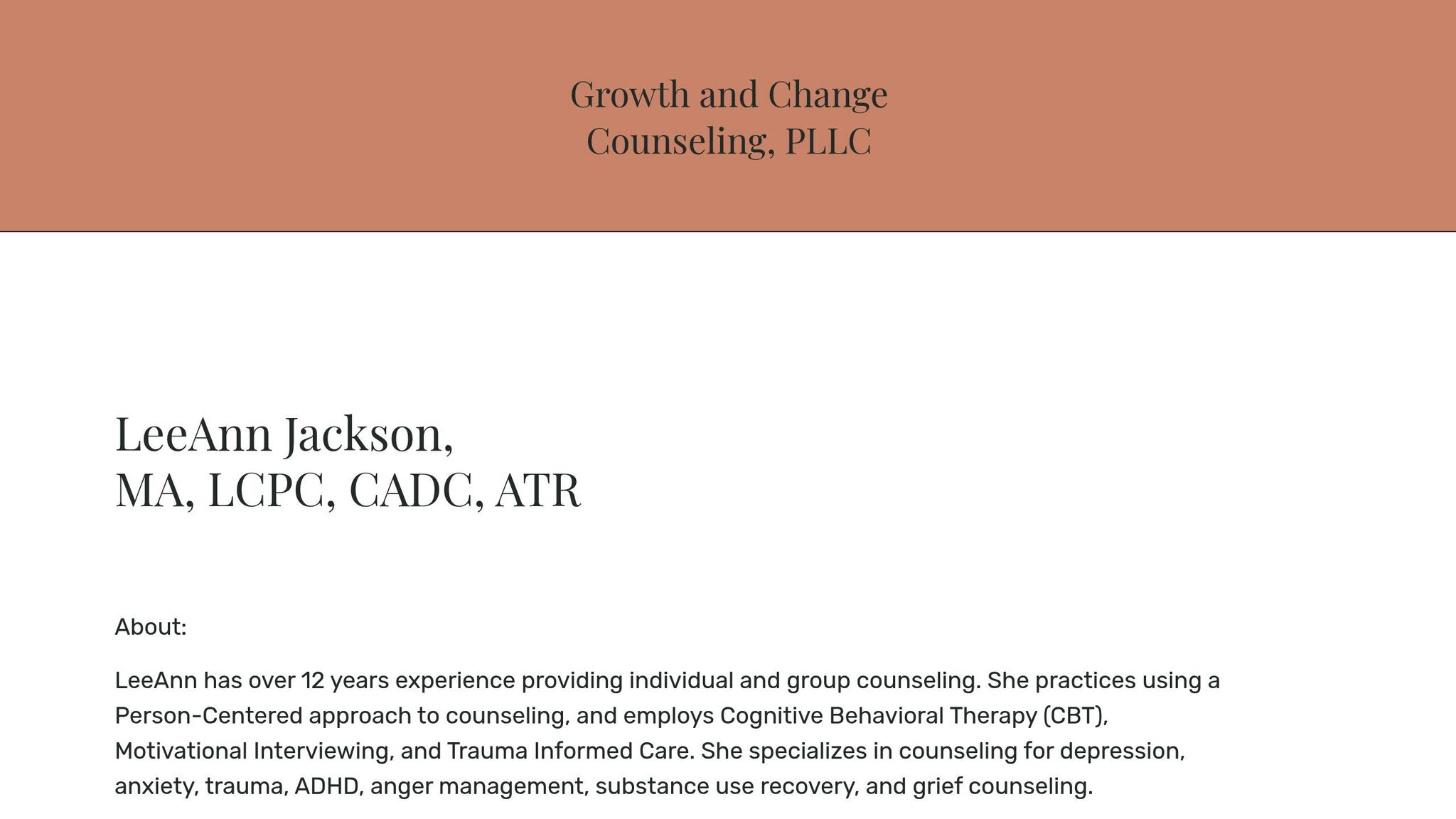
Growth and Change Counseling specializes in parent coaching and family therapy rooted in Christian principles. Led by John Mark Kane, LMFT, this practice offers professional counseling paired with spiritual guidance for families navigating addiction recovery.
Their parent coaching programs equip mothers and fathers with practical strategies to support a child in recovery while maintaining boundaries. These sessions address real-life challenges, such as handling requests for money, managing family events where substances might be present, and showing love in ways that don’t enable harmful behaviors.
Family therapy sessions focus on repairing strained relationships and fostering healthier communication. These structured programs help families process past conflicts, rebuild trust, and explore themes like forgiveness and redemption as part of their healing process.
In addition to family-focused services, Growth and Change Counseling offers treatment for various addictions, including substance abuse, media dependency, and behavioral addictions. Their therapists understand how these issues affect family dynamics and tailor their approach to meet each family’s unique needs.
With offices in Campbell, San Jose, Los Angeles, and Roseville, they provide in-person support throughout California. For families outside these areas or those who prefer remote options, telehealth services ensure access to faith-based counseling statewide. Therapy sessions range from $100 to $200, with sliding scale options available to make services more accessible.
What sets Growth and Change Counseling apart is their commitment to addressing the entire family system. Their therapists recognize that addiction recovery involves more than just the individual – it requires healing relationships, supporting parents, and addressing the needs of siblings. By focusing on the family as a whole, they help create an environment that fosters long-term recovery and spiritual growth.
Conclusion and Key Takeaways
Final Thoughts on Faith and Recovery
Faith-based parent coaching blends spiritual principles with practical tools to help families heal, improve treatment engagement, and lower the risk of relapse. By leaning into forgiveness, compassion, and unconditional love, parents can establish healthy boundaries and rebuild trust within their families. As John Mark Kane, LMFT, puts it:
"I take a practical and integrated approach to therapy, using skill-building interventions and techniques from science, psychology, and the Christian faith" [1].
According to research from The Fullbrook Center (2022), families participating in faith-based recovery programs saw a 30% increase in cohesion and a 25% improvement in communication within six months [3].
Incorporating prayer, scripture, and community support provides emotional grounding, while professional counseling addresses deeper family challenges. Together, these approaches create a roadmap for families seeking meaningful and sustained recovery.
Next Steps for Getting Support
With these positive results in mind, families can take actionable steps toward healing. Combining faith-centered strategies with professional counseling is key to restoring unity and fostering growth.
Start by reaching out to local faith communities or church leaders for guidance. Professional counseling services, like those offered by Growth and Change Counseling, provide specialized support through parent coaching, family therapy, and addiction treatment. These services are available in Campbell, San Jose, Los Angeles, and Roseville, California, with telehealth options extending access across the state. Therapy costs range from $100 to $200 per session, with sliding scale options to accommodate different financial situations. Families can also seek help through resources like the SAMHSA helpline.
Recovery is an ongoing process that thrives on consistent effort and support. By actively participating in faith-based programs and professional counseling, families can build a solid foundation for healing, strengthen their relationships, and deepen their spiritual connection.
FAQs
How can faith-based parent coaching work alongside traditional therapy in addiction recovery?
Faith-based parent coaching and traditional therapy can work hand in hand to address both the spiritual and emotional needs of families dealing with addiction recovery. Traditional therapy leans on proven techniques to manage addiction and promote mental well-being, while faith-based coaching weaves in Christian values and principles to offer spiritual guidance and moral support.
By combining these approaches, parents can deepen their faith, develop resilience, and create a nurturing environment for their loved ones in recovery. This blend provides a well-rounded framework that supports emotional healing, strengthens relationships, and encourages spiritual growth throughout the recovery process.
How can parents set healthy boundaries during their child’s addiction recovery without feeling like they’re being dismissive or unloving?
Establishing healthy boundaries is a key step in supporting your child while also taking care of your own well-being. Start by clearly outlining which behaviors are acceptable and what the consequences will be if those boundaries are crossed. When discussing these expectations, aim for a calm and compassionate tone, making it clear that the purpose of these boundaries is to encourage healing and mutual respect.
Setting boundaries isn’t about distancing yourself from your child – it’s about fostering a safe and supportive environment for both of you. Consistency is critical; enforce the boundaries you’ve set while continuing to show care and understanding. If you’re feeling unsure about how to navigate this process, consider consulting a professional, like a parent coach or therapist, who can offer personalized strategies and emotional support to guide you through this challenging period.
How does sharing personal stories of faith and recovery help families and communities heal?
Sharing personal experiences of faith and recovery can build a genuine sense of connection and trust. When family members hear these stories, they often feel more supported and understood, which can pave the way for open communication – something that’s crucial for mending relationships affected by addiction.
Beyond the family circle, these stories have the power to inspire hope and strength within the wider community. They serve as a reminder that recovery is achievable and that faith can provide a steady foundation during life’s toughest moments.
Common Questions About Recovery at Growth and Change Counseling
- How Family Therapy Restores Trust After Addiction
- How Addiction Impacts Marital Stability
- Overcoming Addiction and Anxiety in Christian Marriages
- Faith-Based Tools for Couples in Recovery
