Forgiveness in Christian marriage is a deliberate choice to release resentment and reflect God’s grace. It’s not about excusing harm or forgetting pain but about healing and rebuilding trust. Here are the 5 key steps to practice forgiveness in your marriage:
- Acknowledge the Hurt: Be honest with yourself and God about the pain caused. This step is crucial for beginning the healing process.
- Make the Choice to Forgive: Forgiveness is a decision, not an emotion. It’s an act of obedience to God, even when feelings don’t align.
- Pray for Your Spouse: Ask God to work in both your lives, even if it feels challenging. Prayer can soften hearts and shift perspectives.
- Release the Offense: Let go of resentment and stop revisiting past hurts during conflicts. Focus on moving forward.
- Repeat as Needed: Forgiveness is ongoing. Deep wounds may require revisiting this process over time.
Forgiveness doesn’t always mean reconciliation, which involves mutual effort and rebuilding trust. While forgiveness is personal, reconciliation depends on both partners. Seeking professional Christian counseling can provide guidance and support for couples navigating this journey. Forgiveness is a process that requires patience, prayer, and reliance on God’s strength.
What No One Tells You About Forgiveness in Marriage| How to Forgive a Spouse| Does it Mean Staying?
Understanding Forgiveness: What It Is and Is Not
When it comes to forgiveness in marriage, misunderstandings abound. Forgiveness isn’t about feelings – it’s a conscious decision rooted in obedience to God. This distinction matters because waiting to feel forgiving can leave couples stuck in cycles of pain and resentment. Let’s clear up what forgiveness truly involves – and what it doesn’t – through the lens of Scripture.
Biblically, forgiveness means releasing the debt of offense, a choice that mirrors God’s mercy. Importantly, this act doesn’t erase the pain or depend on the degree of hurt you’ve endured. Instead, it flows from recognizing Christ’s ultimate forgiveness.
At the same time, forgiveness doesn’t mean forgetting the offense or immediately feeling affection toward your spouse. True forgiveness acknowledges the hurt but refuses to let it control your heart.
Forgiveness vs. Reconciliation
It’s crucial to understand that forgiveness and reconciliation are two separate processes.
Forgiveness is personal. It involves letting go of resentment and releasing the offense, and you can do this on your own. It doesn’t require your spouse’s apology, participation, or even acknowledgment. This unilateral nature of forgiveness allows you to find emotional freedom, even if your spouse hasn’t changed.
Reconciliation, however, is a two-way street. It focuses on rebuilding trust and restoring the relationship, which requires genuine repentance, consistent behavior changes, and effort from both partners. Forgiveness might open the door to healing, but reconciliation takes time and mutual commitment.
Here’s a quick comparison to clarify their differences:
| Forgiveness | Reconciliation |
|---|---|
| Can be done by one person | Requires both spouses |
| Involves letting go of resentment | Focuses on rebuilding trust |
| Doesn’t require a restored relationship | Aims to restore the relationship |
| Often a single decision (though repeated) | A gradual process that takes time |
For example, a wife may forgive her husband for a betrayal, choosing to release her anger and bitterness to God. However, rebuilding trust might still require time, counseling, and consistent changes in behavior. Forgiveness is the first step toward healing, while reconciliation demands ongoing effort and accountability. This distinction allows the hurt spouse to find emotional freedom while maintaining healthy boundaries until trust is reestablished.
Common Misconceptions of Forgiveness
Misunderstanding forgiveness can stall healing in marriage. Clearing up these misconceptions is key to approaching forgiveness with clarity and biblical truth.
Myth #1: Forgiveness Means Forgetting
Some believe forgiving requires erasing the offense from memory. This can create unnecessary guilt when painful memories resurface. In reality, forgiveness doesn’t mean forgetting – it means releasing the offense’s grip on your heart. Remembering can even serve as a safeguard, helping you set boundaries to prevent future harm.
Myth #2: Forgiveness Excuses the Behavior
Another common fear is that forgiving someone downplays the seriousness of their actions. But forgiveness doesn’t condone sin or minimize its impact. Instead, it acknowledges the gravity of the offense while choosing grace over retaliation.
Myth #3: Forgiveness Brings Instant Emotional Healing
Many expect forgiveness to deliver immediate emotional relief. While the decision to forgive can be made quickly, emotional healing often takes time and repeated effort, especially when the wounds run deep.
Myth #4: Forgiveness Means Being a Doormat
Some worry that forgiving makes them vulnerable to further harm. However, biblical forgiveness allows you to release resentment while still setting boundaries. You can forgive someone and still protect yourself by establishing limits and consequences to prevent future hurt.
Understanding these truths about forgiveness can help couples approach it with wisdom, grace, and a clearer path toward healing.
5 Steps to Forgiveness in Christian Marriage
Forgiveness in marriage can feel like an uphill climb, but it’s a journey worth taking. These five steps, grounded in biblical principles, offer a practical way for couples to navigate hurt and work toward healing, even when the process feels daunting.
Step 1: Acknowledge the Hurt and Be Honest Before God
Forgiveness starts with acknowledging your pain. Ignoring or burying the hurt only delays healing. Instead, face the pain head-on and bring it to God in prayer. This means being completely honest about how you’ve been affected.
Find a quiet moment to pour out your heart to God. Let Him into the places where the wounds are deepest. As Psalm 34:18 reminds us:
"The Lord is close to the brokenhearted and saves those who are crushed in spirit."
Journaling can also help you process your emotions. Write down how your spouse’s actions have impacted you, what you’ve lost, and how your relationship has changed. This practice helps untangle feelings that might otherwise stay bottled up.
By honestly acknowledging your pain, you’re inviting God into the healing process. This step lays the groundwork for making the deliberate choice to forgive.
Step 2: Make the Choice to Forgive
Forgiveness isn’t about waiting until you feel ready – it’s a decision. Choosing to forgive is an act of obedience to God, not something dependent on emotions. Feelings may follow later, but the choice to forgive comes first.
Scriptures like Ephesians 4:32 and Colossians 3:13 make it clear: forgiveness is a command, not a suggestion. When you choose forgiveness, you’re aligning yourself with Christ’s example and trusting God with the outcome.
You might say something like, "I choose to forgive you, even though the pain still lingers." Whether spoken aloud or written down, this declaration marks a turning point in your journey.
Keep in mind, forgiveness doesn’t require your spouse’s apology or acknowledgment. It’s a step you take for your own spiritual freedom, trusting God to handle justice and restoration in His perfect timing.
Step 3: Pray for Your Spouse and Seek God’s Strength
Once you’ve chosen to forgive, prayer becomes a powerful tool. Pray for your spouse, even if it feels unnatural at first. Prayer has the ability to soften hearts – yours included – and invites God to work in both of your lives.
Start with simple prayers, asking God to bless your spouse. Even if you don’t fully mean it yet, this practice can gradually shift your perspective from seeing them as an adversary to recognizing their humanity and their need for grace.
Ask the Holy Spirit for strength to forgive and heal. You might pray: "Lord, help me see my spouse as You do. Give me compassion and the strength to love, even when it feels impossible." Philippians 4:13 reminds us that through Christ, we can do all things – including forgiving what feels unforgivable.
Step 4: Release the Offense and Refuse to Dwell on the Past
Forgiveness also means letting go of the offense and resisting the urge to bring it up during future disagreements. This doesn’t mean pretending it never happened, but it does mean choosing not to let it dominate your present or future interactions.
It’s tempting to revisit old wounds, especially in moments of conflict, but forgiveness requires setting boundaries around how and when you discuss past hurts. Focus on solutions rather than rehashing grievances.
One way to release the offense is by replacing negative memories with reminders of God’s grace and the progress you’ve made in your relationship. When painful memories surface, acknowledge them, but don’t dwell on them. Instead, redirect your thoughts to something positive or productive.
Releasing the offense doesn’t mean ignoring real issues that need addressing. You can forgive while still maintaining healthy boundaries and working toward meaningful change in your marriage.
Step 5: Repeat the Process as Needed
Forgiveness isn’t a one-and-done event. It’s a choice you may need to make repeatedly, especially when deep wounds or triggers resurface. This doesn’t mean your initial forgiveness was incomplete – it’s simply part of the healing process.
Healing often happens in layers, and different aspects of the same hurt may need attention over time. Each time you choose forgiveness again, you reinforce your commitment to grace and prevent resentment from taking root.
Take time to check your heart regularly. Ask yourself: Am I holding onto bitterness? Have I been revisiting old hurts? Do I need to forgive again? Doing this kind of self-reflection keeps resentment from festering and helps you stay on the path of healing.
This ongoing process mirrors God’s daily mercies toward us. Just as He forgives us time and time again, we’re called to extend that same grace to our spouses.
sbb-itb-596b85d
How Christian Counseling Supports Forgiveness
While the five steps of forgiveness lay a solid groundwork, professional guidance can make the healing process quicker and more effective. Christian counseling combines biblical principles with therapeutic methods, offering couples the tools and support they need to work through even the most difficult forgiveness challenges.
Role of Christian Counseling in Marital Forgiveness
Christian counseling takes the foundational steps of forgiveness and helps couples deepen their understanding and application of them. It provides a safe and supportive environment where couples can confront their emotional pain and begin to rebuild trust, especially when forgiveness feels out of reach.
Through a mix of Scripture and established therapeutic techniques, counselors guide couples in turning the concept of forgiveness into actionable steps. A common misconception is that forgiveness means forgetting or excusing the offense. Counseling helps clarify these misunderstandings, teaching couples the boundaries and distinctions that make forgiveness both meaningful and safe.
Prayer and Scripture study are key elements in Christian counseling. These practices encourage couples to lean on divine guidance instead of shouldering the emotional burden alone. Counselors also introduce practical tools like homework exercises, regular check-ins, and progress tracking to help couples stay committed to their forgiveness journey.
The process often includes setting both individual and shared goals. This dual approach allows each spouse to focus on personal growth while simultaneously working to strengthen their relationship. By addressing acknowledgment, choice, prayer, release, and ongoing forgiveness, counselors provide the structure needed for lasting change.
Support from Growth and Change Counseling
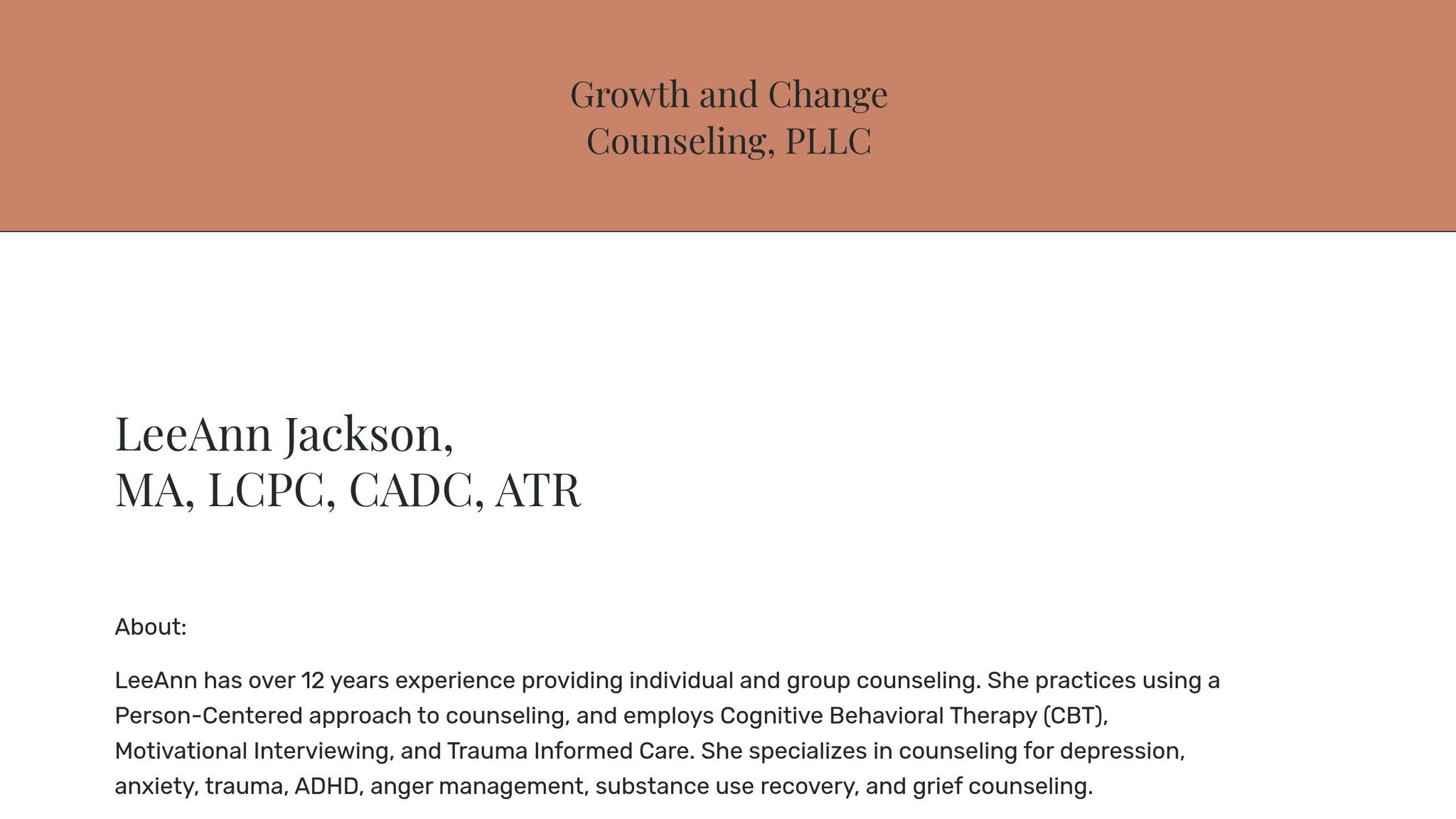
Growth and Change Counseling serves as a prime example of how professional guidance can help couples heal emotionally and spiritually. Their tailored approach meets couples at any stage of their journey, whether they’re grappling with minor trust issues or facing a marital crisis.
For a more intensive option, the Marriage Rescue Institute offers a 12-week coaching program designed for couples in need of focused intervention. This structured program emphasizes clear milestones and actionable goals, blending faith-based principles with therapeutic strategies to promote healing.
John Mark Kane, LMFT, highlights the importance of creating a supportive environment:
"Therapy can be that safe space you’ve been looking for in which you can openly unload your heart and experience non-judgmental support and genuine connection."
This philosophy is particularly valuable for couples working through forgiveness, as rebuilding trust and vulnerability takes time and care.
Growth and Change Counseling offers flexibility, with services available in Campbell, San Jose, Los Angeles, and Roseville, California, as well as through telehealth across the state. This ensures that couples statewide can access the support they need. Their therapists are skilled in addressing issues like anxiety, depression, addiction, and trauma, which often intersect with the forgiveness process. Individual therapy options are also available, with competitive pricing and sliding scale rates.
Meanwhile, the Marriage Rescue Institute’s intensive program provides couples with a concentrated path to progress. Its directive nature, with clearly defined steps and expectations, helps couples who may feel overwhelmed by the forgiveness process. This focused approach accelerates healing and equips couples to implement forgiveness practices more effectively.
Professional counseling becomes especially valuable when couples hit roadblocks in their journey. Counselors offer tools and encouragement to navigate setbacks, helping couples understand that forgiveness is not a one-time event but an ongoing process. They also guide couples in distinguishing between healthy boundaries that protect the relationship and walls that isolate, ensuring that self-protection doesn’t lead to emotional disconnection.
Conclusion: The Transformative Power of Forgiveness
Forgiveness in Christian marriage holds a profound ability to bring healing and restoration. The five steps – acknowledging the hurt honestly before God, choosing to forgive, praying for your spouse, releasing the offense, and repeating the process as needed – serve as a biblical guide for turning pain into purpose and brokenness into a renewed sense of unity.
Faith plays a central role in this transformation. By leaning on God’s strength rather than their own, couples can find the courage to forgive, even in situations that seem impossible to overcome. As Ephesians 4:32 reminds us: "forgiving each other, just as in Christ God forgave you," grace becomes the foundation for moving forward, even when emotions resist.
Forgiveness is not a quick fix – it’s a journey that requires patience and persistence. Understanding that it unfolds over time helps couples set realistic expectations, allowing them to embrace progress while accepting occasional setbacks. Daily choices to let go of resentment and rebuild trust through consistent, loving actions are key to this process.
For many, professional guidance can provide the structure and support needed to apply these biblical principles effectively. Christian counseling, such as the services offered by Growth and Change Counseling, creates a safe space for couples to work through deep wounds with expert help, reinforcing their commitment to healing.
The impact of forgiveness goes far beyond resolving conflict. Couples who embrace this path often experience renewed intimacy, deeper communication, and a stronger spiritual bond. Forgiveness lifts the weight of resentment, unlocking doors to a healing that once seemed out of reach.
For those ready to take this step, transformation isn’t just possible – it’s assured through God’s faithfulness. With professional support, patient dedication, and trust in His strength, even the most fractured relationships can become powerful testimonies of His redemptive work. Begin your journey today, trusting in God’s ability to restore and renew. Forgiveness is more than an act – it’s a profound expression of worship and hope, inviting couples to participate in His restorative plan.
Realities of Forgiveness at Growth and Change Counseling
How can I set healthy boundaries while forgiving my spouse in a Christian marriage?
Forgiveness plays a vital role in a Christian marriage, but it doesn’t mean sacrificing your emotional or spiritual well-being. Establishing healthy boundaries is key to forgiving while also preserving your self-respect and the integrity of your relationship.
One important step is to openly and lovingly express your feelings and needs to your spouse. Share honestly about the behaviors that have caused you pain and discuss the changes required to rebuild trust. Forgiveness doesn’t mean justifying harmful actions – it’s about releasing resentment and focusing on healing and restoration together.
If this feels overwhelming, seeking faith-based counseling can be a valuable resource. Growth and Change Counseling offers structured and compassionate support for couples, equipping them with tools to nurture forgiveness and mutual respect in their relationship.
What can I do if my spouse is unwilling to work on reconciliation in our marriage?
If your spouse isn’t prepared to participate in the reconciliation process, it can be tough to navigate those emotions. However, there are still meaningful steps you can take on your own. Start by prioritizing your personal growth and emotional healing. Engaging in prayer, spending time in self-reflection, and seeking guidance through faith-based counseling can help you work through your feelings and lay the groundwork for forgiveness.
You might also consider connecting with a professional counselor or a trusted pastor. Their insights and support can equip you with tools and strategies to manage this challenging period while keeping hope alive for eventual restoration. Sometimes, meaningful change begins when one person decides to take that first step forward.
How can Christian counseling help me and my spouse work through forgiveness in our marriage?
Christian counseling offers a supportive, faith-centered way to help you and your spouse work through forgiveness and healing. By incorporating guided discussions and methods grounded in Christian values, it provides a safe environment to confront past wounds, rebuild trust, and nurture deeper understanding.
At Growth and Change Counseling, couples receive personalized guidance aimed at strengthening emotional and relational bonds. This approach promotes meaningful progress and helps rekindle connection, even during tough times.
Related Blog Posts
- 4 Hard Truths From Marriage Counselors for Strong Marriages
- Overcoming Trust Issues After Betrayal
- 5 Ways Faith Supports Emotional Healing in Marriage
- Forgiveness Practices for Addiction Recovery
