Forgiveness is a key part of addiction recovery, helping individuals heal emotionally, reduce guilt, and mend relationships. It involves two main aspects: forgiving yourself for past mistakes and forgiving others to release resentment. Research shows that forgiveness can lower depression, anxiety, and stress – common triggers for relapse. By addressing unresolved pain and rebuilding trust, forgiveness supports long-term sobriety and healthier relationships.
Key takeaways:
- Self-forgiveness reduces shame and promotes emotional resilience.
- Forgiving others helps repair relationships and creates stronger support systems.
- Tools like journaling, mindfulness, and therapy make forgiveness more achievable.
- Professional counseling provides guidance for overcoming emotional barriers and rebuilding trust.
Forgiveness isn’t instant – it’s a process requiring patience and effort. But it can transform recovery by fostering emotional healing and stronger connections.
Forgiveness: How Drug Rehab Helps You Forgive Others…and Yourself
How Forgiveness Supports Emotional Healing in Recovery
Addiction leaves behind more than just physical dependency – it creates deep emotional scars. Recovery isn’t just about quitting substances; it’s also about addressing the guilt, shame, and resentment that often linger and fuel the cycle of addiction. These emotions don’t vanish overnight. If ignored, they can become roadblocks to lasting sobriety.
Forgiveness plays a powerful role in easing these emotional struggles. When individuals learn to forgive themselves and others, they often notice less depression and anxiety, better sleep, lower stress, and improved emotional control – all of which are vital for staying sober.
Unresolved guilt and shame create a harmful cycle. These feelings intensify emotional pain, which can lead to relapse as people try to escape the discomfort. Forgiveness helps break this cycle, giving individuals in recovery a chance to rebuild their emotional and mental strength. This journey often involves two key steps: forgiving oneself and forgiving others.
Why Self-Forgiveness Matters
One of the hardest but most important parts of emotional healing is learning to forgive yourself. For many in recovery, self-forgiveness feels like an uphill battle. They carry intense self-criticism for the harm their addiction caused – to themselves and to their loved ones. This inner judgment can weigh heavily, making recovery even harder.
Self-forgiveness isn’t about excusing past actions. It’s about acknowledging responsibility while letting go of the emotional burden that keeps people stuck. By practicing self-forgiveness, individuals release the shame that fuels negative thought patterns, creating space for healing and growth.
The ripple effects of self-forgiveness are profound. It fosters inner peace, strengthens relationships, and lowers the risk of relapse [2][3]. It also encourages self-compassion, which is essential for long-term recovery. By accepting their past, individuals can focus on building a better future, driven by personal growth and positive change.
Another benefit of self-forgiveness is emotional resilience. When people stop punishing themselves for past mistakes, they free up energy to focus on healthier coping strategies, nurturing relationships, and personal development. This shift – from self-criticism to self-compassion – lays a solid foundation for lasting recovery.
Forgiving Others to Repair Relationships
Addiction often leaves a wake of broken trust, unresolved conflicts, and strained relationships. Holding onto resentment only adds to emotional stress and increases the risk of relapse.
Forgiving others allows individuals to release anger and bitterness, paving the way for healing and rebuilding trust. Forgiveness doesn’t mean forgetting or instantly restoring relationships to what they once were. Instead, it’s about letting go of the emotions that keep people trapped in cycles of pain and resentment.
The benefits for recovery are clear. Research shows that individuals who forgive others are more likely to mend family bonds and maintain long-term sobriety [5][6]. Repaired relationships create stronger support systems, offering encouragement, accountability, and emotional stability during difficult times.
Forgiveness also nurtures empathy and connection, both of which are crucial for emotional healing. As individuals work through forgiving others, they often gain a deeper understanding of how addiction affected everyone involved. This perspective not only strengthens relationships but also provides a sense of closure, which is essential for moving forward.
Forgiving others isn’t always easy, and it often requires patience and professional guidance. Therapists can help individuals navigate the complex emotions tied to relationship repair, making the process more approachable and effective. By healing these relationships, individuals not only mend old wounds but also build a stronger foundation for long-term sobriety.
Common Obstacles to Forgiveness in Recovery
Forgiveness can be a powerful tool in recovery, but it’s rarely a smooth or easy process. Many people encounter emotional hurdles that not only slow their progress but also increase the risk of relapse.
According to research from the National Institutes of Health, the inability to forgive – whether directed at oneself or others – can perpetuate the cycle of addiction [3][5]. Understanding these barriers is a key step toward tapping into the healing potential that forgiveness offers.
Some of the most frequent challenges include unresolved trauma, lingering anger, deep-seated guilt, and overwhelming shame [2][5][7]. These emotions don’t simply fade away when someone begins recovery; in fact, they often become more pronounced, potentially leading to behaviors that stall progress.
Let’s take a closer look at these emotional blocks and how they affect the recovery journey.
Identifying Emotional Blocks
Emotional blocks can unconsciously drive actions that undermine recovery, making it essential to recognize and address them [4][5]. For instance, many individuals in recovery wrestle with resentment – toward others they feel have wronged them or even toward themselves for past actions. Others may struggle with self-doubt, believing they’re unworthy of forgiveness or happiness.
Unresolved trauma often keeps people stuck in cycles of pain, making it difficult to let go of past wounds [1][2][7]. Persistent guilt, on the other hand, fosters relentless self-blame, chipping away at self-esteem and preventing the self-forgiveness that’s critical for long-term recovery.
Common signs that someone might be grappling with emotional blocks include:
- Constantly replaying past mistakes in their mind
- Struggling to trust others or avoiding situations that might trigger old wounds
- Frequent self-criticism
- Harboring ongoing anger or bitterness [2][4]
If left unaddressed, these patterns can amplify emotional distress and heighten the chances of relapse. Fear, often tied to past trauma, can also lead to isolation, cutting off the supportive connections that are vital for recovery [1].
How Therapy Helps Remove Barriers
Professional therapy can be a game-changer in identifying and overcoming these emotional blocks [4][7]. In a therapeutic setting, individuals have a safe, judgment-free space to confront and process difficult emotions like guilt, shame, and anger. Therapists use proven techniques to help clients reframe negative thought patterns, build self-compassion, and gradually work toward forgiveness [4][5].
Approaches such as cognitive-behavioral therapy (CBT), trauma-informed therapy, and forgiveness-focused counseling have shown success in addressing these challenges. Therapists guide individuals through acknowledging their mistakes and adopting a patient, step-by-step approach to self-forgiveness [4][7], making the process feel more manageable.
For example, Growth and Change Counseling offers tailored, solutions-oriented therapy for those dealing with addiction, trauma, and relationship struggles. With locations in Campbell, San Jose, Los Angeles, Roseville, and telehealth options across California, professional support is within reach for those facing emotional roadblocks.
Therapy also plays a crucial role in breaking the cycle of substance use, which often reinforces harmful behaviors and makes forgiveness seem out of reach. By introducing healthier coping mechanisms, therapy creates a foundation for genuine healing and recovery [3].
sbb-itb-596b85d
Practical Ways to Practice Forgiveness
Once you’ve pinpointed the emotional barriers holding you back, the next step is to put forgiveness into action. By incorporating simple, daily practices, you can move from merely understanding forgiveness to truly experiencing healing. These strategies have helped many people rebuild their relationships – with themselves and with others.
Forgiveness isn’t about quick fixes. It’s about committing to the process and showing yourself patience as you navigate complex emotions.
Journaling and Self-Reflection
Journaling is a powerful way to process emotions and work through the forgiveness journey. Writing down your thoughts creates a private space where you can explore feelings without fear of judgment. It’s a chance to acknowledge mistakes, accept responsibility, and reflect on how your actions have impacted others – key steps in the forgiveness process [4][7].
If you’re not sure where to start, try using prompts like, “What do I need to forgive myself for today?” or “How has holding onto anger affected my recovery?” These questions can guide your reflection and help uncover deeper insights.
Another helpful exercise is writing letters you never intend to send. Use these letters to express everything you feel – whether to yourself or to someone else. This practice can help you release bottled-up emotions and gain clarity about what forgiveness means to you.
Gratitude journaling is another way to shift your mindset. By focusing on moments of growth or positive changes, you’ll naturally begin to move away from dwelling on past mistakes [2][8]. Over time, this practice can help you see just how far you’ve come.
As one expert from Growth and Change Counseling explains, addressing negative beliefs, addictive cravings, unresolved fears, trauma, and unforgiveness is essential for maintaining emotional well-being during recovery [1]. Alongside journaling, taking steps to repair relationships can deepen the process of forgiveness.
Making Amends and Living Amends
Forgiveness often involves more than just saying, “I’m sorry.” Making amends means fully acknowledging the harm caused, taking responsibility, and actively working to repair the damage through both words and actions [4][6].
For many, making amends is a structured part of recovery. This process usually begins with identifying the specific ways your actions have hurt others. From there, you can express genuine remorse and outline steps to make things right. This might mean offering restitution, rebuilding trust through consistent actions, or simply giving a heartfelt apology.
Sometimes, direct amends aren’t possible – or might cause more harm than good. In these cases, living amends can be a powerful alternative. This involves making healthier choices and treating others with kindness on a daily basis, showing through your actions that you’re committed to change [6]. It’s an ongoing effort that reinforces forgiveness and helps rebuild trust over time.
Mindfulness and Compassion Practices
Mindfulness techniques can complement journaling and making amends by fostering self-compassion and emotional balance. Mindfulness meditation, for example, creates space to process feelings like anger, guilt, or resentment – emotions that can otherwise derail recovery efforts [2][8].
Start small. Spend five minutes in guided meditation focused on forgiveness. Sit quietly, breathe deeply, and bring to mind someone you need to forgive, whether it’s yourself or someone else. Notice any resistance or tension that arises, and allow these feelings to exist without judgment or force.
Loving-kindness meditation is another practice that encourages compassion. Begin by offering kind wishes to yourself, such as: “May I be happy, may I be healthy, may I be at peace.” Gradually extend these thoughts to others, including people you find difficult to forgive. Over time, this practice can help soften your perspective and make forgiveness feel more attainable.
Other mindfulness exercises, like body scans or deep breathing, can also help. A body scan involves lying down and slowly focusing on each part of your body, noticing and releasing tension as you go. Deep breathing techniques, such as the 4-7-8 method (inhale for 4 counts, hold for 7, exhale for 8), activate the body’s relaxation response and create space between you and intense emotions.
As a therapist from Growth and Change Counseling puts it:
“Love is patient, love is kind. It does not envy, it does not boast, it is not proud. It does not dishonor others, it is not self-seeking, it is not easily angered, it keeps no record of wrongs” [1].
By incorporating these practices into your daily life, you can embody compassion and forgiveness in your interactions with others.
The most important thing is consistency. Forgiveness isn’t about being perfect – it’s about showing up for yourself every day. With time, these small efforts will help you build the emotional resilience needed for recovery and healthier relationships.
Repairing Relationships Through Forgiveness
Once forgiveness brings emotional healing, the next step is rebuilding relationships – an essential part of recovery. Addiction doesn’t just affect the individual struggling with substance use; it sends shockwaves through marriages, parent-child relationships, and family dynamics. Trust is often one of the first casualties, and regaining it takes time and effort. Research highlights that forgiveness not only eases depression, anxiety, and stress but also lays the foundation for rebuilding trust and connection[2].
Reconnecting with loved ones after addiction requires intentional and thoughtful actions.
Healing Marriages and Families
Addiction often leaves deep scars on marriages and family relationships. Spouses may feel betrayed after discovering hidden substance use, while parents and adult children can grapple with guilt, shame, and unresolved anger tied to past behaviors.
Rebuilding trust becomes the cornerstone of healing. Forgiveness can restore intimacy and strengthen trust[6]. For parents, forgiving an adult child affected by addiction often leads to better family relationships and a renewed sense of hope[5].
Forgiveness also enhances communication and emotional closeness within families. It encourages open discussions about tough topics and reduces conflict[5]. However, it’s important to recognize that forgiveness is not a one-time act but an ongoing process. There may be setbacks, but by committing to work through forgiveness together – and by setting healthy boundaries that acknowledge past pain while avoiding enabling harmful behavior – families can emerge stronger, even after the turmoil of addiction.
Professional guidance can provide the structure and support needed to navigate this sensitive process.
Support from Growth and Change Counseling
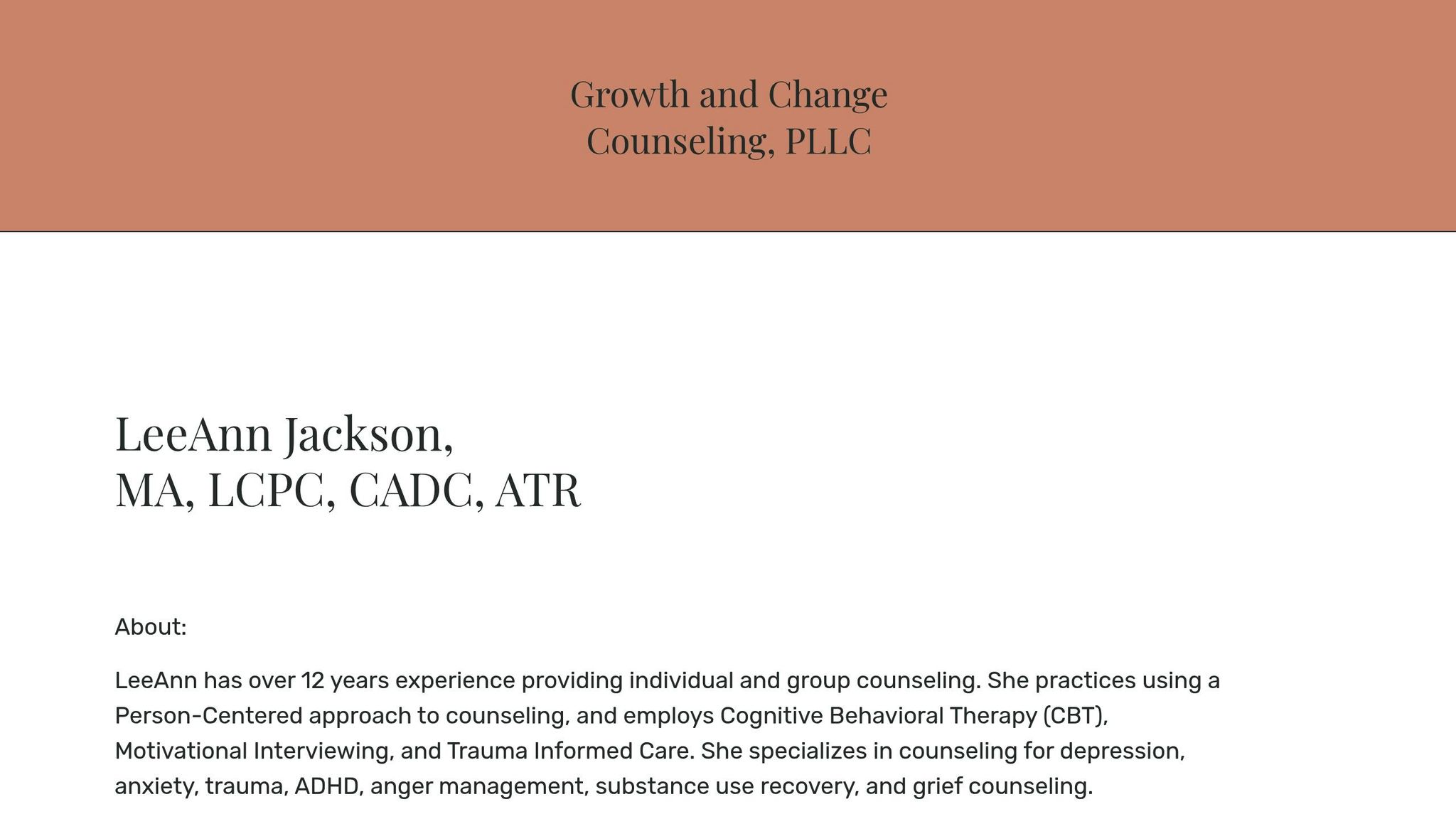
Growth and Change Counseling offers specialized family and couples therapy to help mend relationships strained by addiction. Their approach is tailored to meet each family’s unique needs. Some couples may need intensive therapy to rebuild trust after years of damage, while others benefit from family sessions that involve multiple generations. The practice provides individual therapy, family therapy, and addiction recovery support using a solutions-focused approach designed to address specific challenges.
For couples in crisis, The Marriage Rescue Institute offers a 12-week coaching program aimed at restoring communication and emotional intimacy. This structured process combines therapeutic techniques with practical relationship tools to help couples rebuild their bond.
Families dealing with the widespread effects of addiction can benefit from Growth and Change Counseling’s family therapy sessions. These sessions create a safe environment for members to share their pain, work through forgiveness together, and develop strategies for moving forward as a united team.
Accessibility is a key priority. Growth and Change Counseling serves clients across California, with telehealth options available statewide. They offer sliding scale pricing, starting at $100 for a 45-minute session, to make professional help more affordable.
Addressing emotional wounds sooner rather than later is crucial. The longer families wait, the more entrenched patterns of hurt and resentment can become. Professional counseling provides the tools and guidance needed to navigate forgiveness successfully, helping families avoid common missteps that can hinder the healing process.
Beyond addiction recovery, Growth and Change Counseling also specializes in trauma therapy, anxiety treatment, and depression support. This comprehensive approach ensures that all aspects of emotional and relational well-being are considered during the recovery journey.
Conclusion: The Power of Forgiveness in Recovery
Forgiveness is one of the most impactful tools in addiction recovery, offering a way to free yourself emotionally and mend relationships. Research shows that embracing forgiveness can lead to noticeable reductions in depression, anxiety, and stress – key factors in achieving lasting recovery[2][3]. According to the National Institutes of Health, forgiving yourself or others is closely linked to improved mental health outcomes[2].
At its core, forgiveness turns emotional wounds into opportunities for healing and connection. It often starts with self-forgiveness, which can be the hardest yet most important step. Letting go of guilt and shame creates room for personal growth and resilience. This inner work then extends outward, helping to rebuild relationships with loved ones – whether it’s a spouse, children, or other family members. Through forgiveness, trust is repaired, empathy is strengthened, and bonds broken by addiction can begin to heal.
It’s important to remember that forgiveness isn’t a single moment but an ongoing journey. It requires patience, self-compassion, and sometimes the guidance of a professional[4][7]. Practices like journaling, mindfulness, and therapy can help support this process, offering healthier ways to cope[2][8]. These tools, combined with professional support, lay a strong foundation for resilience and emotional recovery.
The data speaks for itself: forgiveness-based interventions have been shown to significantly ease symptoms of depression and anxiety in those recovering from substance use disorders[2].
If forgiveness feels like an uphill battle, know that seeking help is a sign of strength. Growth and Change Counseling provides specialized addiction recovery services, including individual therapy and family counseling, tailored to support you through this process. Their solutions-focused approach addresses both emotional healing and relationship repair, with services available across California and via telehealth.
Start by acknowledging your emotions and reaching out for support. This step not only helps heal personal pain but also rebuilds trust – an essential part of repairing relationships. While forgiveness may seem overwhelming at first, with steady effort and the right guidance, it can become the cornerstone of lasting recovery and stronger, healthier connections. Taking the step toward forgiveness isn’t just about moving forward; it’s about reclaiming emotional well-being and rebuilding the relationships that matter most.
FAQs
How does self-forgiveness help in preventing relapse during addiction recovery?
Self-forgiveness is an essential part of addiction recovery, allowing individuals to release the heavy burden of guilt and shame tied to past actions. These emotions, if ignored, can become powerful triggers for relapse. By embracing self-forgiveness, you open the door to emotional healing and cultivate a more positive mindset to tackle life’s challenges.
It also plays a key role in mending strained relationships and rebuilding trust, which are often impacted during the journey of addiction. This process encourages accountability and personal growth, helping you stay focused and committed to long-term recovery.
How can I start forgiving others when addiction has caused harm to my relationships?
Forgiveness plays a crucial role in addiction recovery, offering a path to mend emotional wounds and rebuild trust. The journey starts with acknowledging your feelings – it’s natural to feel hurt or angry. Give yourself permission to process those emotions. Then, take time to reflect on the situation and, if possible, try to see it from the other person’s perspective. This doesn’t mean condoning harmful actions; it’s about freeing yourself from the weight of resentment for your own peace of mind.
You can begin with small, manageable steps. For instance, jot down your thoughts in a journal or open up to a trusted therapist or counselor. Professional support can be incredibly helpful in guiding you through this complex emotional process. Keep in mind that forgiveness isn’t something that happens overnight – it’s a gradual journey. By focusing on your healing, you create room for stronger relationships and personal growth.
How can professional therapy help with forgiveness during addiction recovery?
Professional therapy is an important part of addressing the emotional hurdles tied to forgiveness during addiction recovery. A skilled therapist offers a safe and supportive environment where you can confront tough emotions, process past pain, and learn healthier ways to cope.
Therapy also plays a role in mending relationships and boosting emotional health – both of which are crucial for maintaining long-term recovery. With the guidance of a professional, you can work through emotional barriers that may slow your progress and build a more solid base for personal growth.
Common Questions About Recovery at Growth and Change Counseling
- Root Causes of Shame in Sexual Addiction
- How Family Therapy Restores Trust After Addiction
- Addiction Recovery and Marriage Communication
- How Addiction Impacts Marital Stability
