Loving someone with an addiction is hard, but enabling their behavior can make things worse. Enabling shields your partner from the consequences of their actions, which delays recovery and creates more challenges for both of you.
Here’s how to break the cycle:
- Set clear boundaries and stick to them. For example, stop giving money that could fund substance use.
- Let them face the consequences of their choices. It’s tough, but this can motivate change.
- Take care of yourself. Focus on self-care, seek support groups, and consider therapy to manage guilt and anxiety.
- Communicate honestly. Use calm, direct language to express your concerns and boundaries.
Supporting someone doesn’t mean enabling them. By encouraging accountability and prioritizing your well-being, you can create healthier dynamics that help both you and your partner move forward.
Drawing the Line: How To Stop Enabling Someone Else’s Alcoholism/Addiction
What Enabling Means and How It Damages Relationships
Enabling happens when you shield your partner from the natural fallout of their addiction. By stepping in to soften or eliminate the consequences, you unintentionally create a safety net that allows their destructive behavior to continue unchecked. While these actions may feel like acts of love or care, they often prevent your partner from confronting the discomfort that could motivate them to seek change.
This dynamic often becomes a cycle. Over time, your partner may grow dependent on you to handle the challenges caused by their addiction, making it even harder for them to pursue recovery. Meanwhile, you may find yourself stuck in a relentless loop of crisis management, constantly cleaning up messes and averting disasters. This pattern not only drains your emotional and physical energy but also deepens the strain on your relationship.
Enabling vs. Supporting: Key Differences
It’s critical to distinguish between enabling and genuinely supporting your partner. While enabling shields them from facing their actions’ consequences, supporting involves encouraging responsibility and promoting recovery.
| Enabling Behavior | Supportive Behavior |
|---|---|
| Protecting them from consequences | Encouraging accountability |
| Making excuses for their addiction | Openly addressing the problem |
| Offering financial help that sustains substance use | Assisting with treatment or recovery efforts |
| Avoiding tough conversations about addiction | Setting clear boundaries through honest communication |
| Taking over their responsibilities | Motivating independence and self-reliance |
For example, handing your partner money for groceries, even when you suspect it will fund substance use, is enabling. On the other hand, helping them create a budget, attending a support group together, or encouraging professional help are ways to offer genuine support.
To evaluate your actions, ask yourself: “Am I enabling my loved one to continue their addiction, or am I helping them take steps toward recovery?”
Common Ways People Enable Their Partners
Enabling behaviors don’t usually appear overnight. They tend to develop gradually, especially when you care deeply about someone battling addiction. Here are some common ways enabling can manifest:
Financial Enabling: This might look like giving money that ends up funding drugs or alcohol, covering bills after your partner has spent their money on substances, letting them live rent-free without contributing, or even bailing them out of legal trouble. In extreme cases, you may find yourself maxing out credit cards to “help.”
Emotional Enabling: This involves making excuses for your partner’s behavior to others. For instance, you might say, “They’ve been under a lot of stress at work,” when they miss important family events. Or you might downplay the severity of their addiction by insisting, “It’s not that bad.”
Behavioral Enabling: This includes taking over responsibilities your partner neglects, such as managing childcare, household chores, or cleaning up after their mistakes. It can also mean avoiding confrontations about their substance use to maintain peace or even lying to employers or family members to cover up their addiction.
Caretaking Behaviors: When you manage your partner’s responsibilities, you unintentionally foster dependency. This makes it harder for them to take ownership of their actions.
These patterns often lead to a cycle of codependency, where your partner becomes increasingly reliant on you to manage their life. As a result, they may never fully face the consequences of their addiction, making recovery even more challenging. Meanwhile, you might feel overwhelmed by guilt, anxiety, or helplessness, often neglecting your own needs and goals in the process.
The ripple effects of enabling go beyond just you and your partner. It can strain relationships with family and friends, as you may withdraw from others and sacrifice your own well-being. Recognizing these behaviors is a crucial first step toward breaking the cycle and fostering healthier dynamics.
How to Tell If You’re Enabling Your Partner
Understanding whether you’re enabling your partner requires a deep look at your own actions and emotions. It’s easy to miss the signs when your intentions come from a place of love and care. Often, people enable without realizing it, thinking they’re helping or protecting their partner. Unfortunately, these well-meaning actions can create a safety net that allows destructive behaviors, like addiction, to persist.
The first step in breaking this cycle is practicing honest self-reflection. Take a close look at your behaviors, emotions, and patterns to distinguish between healthy support and enabling actions.
Warning Signs You’re Enabling
There are several red flags that can signal enabling behaviors. Here are some common ones:
- Emotional exhaustion: If you’re constantly feeling drained, anxious, or overwhelmed by managing your partner’s struggles, it could mean you’re taking on responsibilities that aren’t yours to carry.
- Repeatedly breaking your own boundaries: For instance, you might vow not to give your partner money again, but then hand over cash during a crisis. Or you might promise yourself not to cover for their mistakes, only to find yourself lying to their boss about why they missed work.
- Feeling responsible for their recovery: If you believe it’s your job to "fix" their addiction or prevent them from using, you’re stepping into a role that should belong to them.
- Neglecting your own needs and relationships: Skipping social events, avoiding hobbies, or isolating yourself from friends and family to focus on your partner’s problems are common signs.
- Providing financial support that removes accountability: Covering their expenses repeatedly can shield them from facing the consequences of their actions.
- Withdrawing from others: You might feel embarrassed about your partner’s behavior or too overwhelmed to maintain other relationships, leading to isolation.
These patterns can blur the line between helping and enabling. Reflecting on them can help you determine if your actions are unintentionally sustaining harmful behaviors.
Questions to Ask Yourself
Self-reflection is a powerful tool for identifying enabling patterns. Asking yourself specific questions can help uncover behaviors that might be contributing to your partner’s addiction. Here are some questions to consider:
- "Do I often make excuses for my partner’s behavior?" If you find yourself justifying their actions to others or downplaying the severity of their addiction, it could be a sign of enabling. Statements like "They’re just stressed" or "It’s not that bad" may sound familiar.
- "Am I trying to fix their problems instead of letting them take responsibility?" Think about whether you’re stepping in to handle their bills, clean up their mistakes, or manage their schedule. These actions can shield them from facing the natural outcomes of their choices.
- "Do I feel guilty or anxious when setting boundaries?" If setting limits makes you feel like you’re being unkind or uncaring, or if you worry about what might happen without your help, guilt could be driving your behavior.
- "Have I sacrificed my own needs or relationships to support my partner?" Reflect on whether you’ve neglected your health, goals, or connections with others because you’re too focused on your partner’s struggles.
- "Do I avoid addressing their substance use to keep the peace?" If you tiptoe around the topic of addiction to avoid conflict, you’re allowing the problem to remain unchallenged.
- "Am I financially supporting them in ways that could fund their addiction?" Covering their expenses or consistently bailing them out of financial trouble can reinforce their dependency.
- "Am I taking full responsibility for their recovery?" If you’re the one researching treatment options, scheduling appointments, or pushing for change while your partner remains passive, you may have taken on a role that should be theirs.
Answering these questions honestly can help you recognize when your actions are enabling rather than supporting. From there, you can begin to set healthier boundaries and explore ways to show love that encourage accountability and growth.
How to Stop Enabling and Support Recovery Instead
Once you’ve identified enabling behaviors, it’s time to take action. This shift is crucial – not just for your well-being but also for your partner’s recovery. The aim here isn’t to punish or pull away your love. Instead, it’s about creating an environment where accountability and healing can thrive.
Breaking the cycle of enabling means replacing harmful habits with healthier responses. It’s not an easy process, especially when your partner reacts negatively to these changes. But as Jamula Taylor, LMFT from Growth and Change Counseling, wisely puts it: "Sometimes the best thing may be the hardest thing for you to do." That discomfort? It’s often a sign you’re heading in the right direction.
Here are three practical steps to shift from enabling to genuine support.
Set Clear Boundaries and Stick to Them
Setting boundaries is the cornerstone of breaking enabling behaviors. Boundaries protect you while encouraging your partner to take responsibility. The key is to make them clear, specific, and non-negotiable.
Start by identifying behaviors you can no longer tolerate or support. For example, you might decide to stop giving money that could fund substance use, refuse to lie to cover for them, or prohibit drug or alcohol use in your home.
When communicating these boundaries, use "I" statements to express your feelings without assigning blame. Instead of saying, "You always mess up", try, "I care about you, but I can’t support your addiction." Be direct and specific – vague phrases like "things need to change" don’t provide the clarity needed for real progress.
Expect your partner to test these boundaries. Addiction often trains people to push until they get their way. Stay calm and firm when restating your limits. By holding steady, you disrupt old patterns and create room for healthier dynamics to emerge.
Let Your Partner Face Consequences
Once boundaries are in place, let natural consequences take their course. This can be one of the hardest steps – watching someone you love experience the fallout of their choices is never easy. But shielding them from those consequences only delays their recovery.
This means stepping back when they miss work, fail to pay bills, or face legal trouble. Don’t cover for them, pay their fines, or make excuses to others for their behavior. If they’re arrested, resist the urge to bail them out. These moments, while painful, can serve as powerful wake-up calls.
Research consistently shows that clear boundaries and natural consequences increase motivation for treatment and improve recovery outcomes. Enabling, on the other hand, removes the urgency to change.
Financial consequences are especially impactful. For instance, if you’ve been paying their rent or car insurance while they spend their money on substances, it’s time to stop. You might say, "I won’t pay for your car insurance anymore. That’s something you’ll need to handle yourself." This approach helps them connect their actions to real-world outcomes.
While it may feel harsh, letting them face reality fosters accountability. Remember, protecting them from consequences isn’t helping – it’s enabling their addiction. True support means allowing them to experience the results of their choices, which can ultimately push them toward seeking help.
Focus on Your Own Health and Emotional Distance
Taking care of yourself isn’t selfish – it’s necessary. Self-care helps you stay strong, avoid burnout, and maintain healthy boundaries.
Start with the basics: get enough sleep, eat well, and exercise regularly. These simple steps can help you manage stress and keep your emotional reserves intact. Make time for activities that bring you joy, like reading, gardening, or spending time with friends. When you prioritize your well-being, you’re better equipped to support your partner without losing yourself in the process.
Emotional distance is equally important. It’s about caring for your partner without taking responsibility for their actions. Love them, but let them own their choices.
Consider joining support groups like Al-Anon or Nar-Anon. These communities connect you with others who’ve faced similar challenges and offer practical tools for maintaining balance. Many people find that sharing their struggles reduces feelings of isolation and offers a fresh perspective.
Professional therapy can also be a game-changer. A therapist can help you work through guilt, strengthen your boundaries, and address any codependent tendencies. Individual counseling provides a safe space to process your emotions and develop healthier coping strategies.
Rebuild your social network by reaching out to supportive friends and family. Addiction often isolates entire families, but staying connected is vital for your own recovery. Don’t let embarrassment stop you from seeking help.
Mindfulness or meditation can also be invaluable tools. These practices help manage anxiety and keep you grounded, especially during moments when you’re tempted to step in or feel guilty about holding firm boundaries.
sbb-itb-596b85d
How to Handle Difficult Conversations and Emotions
Breaking patterns of enabling requires honest, calm, and clear conversations with your partner while staying mindful of your own emotions. The goal is to approach these discussions with compassion, clarity, and a firm commitment to your boundaries.
How to Communicate Boundaries Clearly
When discussing boundaries, it’s important to stay calm and direct. Avoid letting frustration take over or sidestepping the issue.
Use "I" statements to express your feelings without sounding accusatory. For example, saying, "I feel worried when you come home late," is far more constructive than pointing fingers. This approach encourages dialogue instead of sparking defensiveness.
Be specific about your boundaries. Vague remarks like, "Things need to change," don’t provide clarity. Instead, say something like, "I can’t give you money because I’m concerned it supports your addiction," or, "I need to focus on my own health, so I can’t cover for you at work anymore."
Timing matters. Avoid conversations when emotions are running high or your partner is impaired. Choose a calm moment when both of you can focus, or consider scheduling the discussion in advance to ensure you’re both mentally prepared.
Stay composed even if your partner reacts defensively. Keep your voice steady and calmly restate your boundaries. For instance, you could say, "I know this is hard to hear, but these are my boundaries." If the conversation escalates to an unsafe level, pause and revisit it later.
To stay on track, prepare key points beforehand. This helps avoid getting sidetracked by arguments or forgetting what you intended to say during an emotionally charged moment.
Once you’ve communicated your boundaries, the next challenge is managing the emotions that come with them.
Dealing with Guilt and Fear
Setting boundaries often stirs up emotions like guilt and fear, which are completely normal. Many people feel this way when they begin to establish limits with a partner struggling with addiction.
Guilt can surface when you see your partner face consequences, deny their requests, or feel like you’re being harsh. Thoughts like, "If I really loved them, I’d help them out of this situation," are common. But remember, enabling doesn’t help – it only delays their recovery.
Fear often revolves around the potential fallout, like conflict or the risk of losing the relationship. You might worry that setting boundaries will anger your partner, cause them to leave, or worsen their addiction. While these fears are valid, they often keep people stuck in enabling patterns that harm both individuals.
To navigate these emotions, start by acknowledging them. Writing in a journal can be a helpful way to process what you’re feeling. Putting your thoughts on paper often clarifies which fears are realistic and which are driven by anxiety.
Remind yourself of your why. Keep a list of reasons for setting boundaries – whether it’s to protect your mental health, support your partner’s recovery, or create a healthier relationship. When guilt or fear creeps in, revisit this list to reaffirm your motivation.
Seek support from others who understand. Groups like Al-Anon can connect you with people who’ve faced similar struggles. Hearing their stories can offer perspective and practical advice, while also easing feelings of isolation.
Practice self-compassion. Changing long-standing patterns is challenging. Be patient with yourself when you make mistakes or feel overwhelmed. Forgiving yourself is just as important as holding firm to your boundaries.
Therapy can also be a valuable resource. A professional can help you manage guilt, build confidence, and strengthen your resolve. This emotional work not only supports your boundaries but also helps you break free from enabling behaviors.
Finally, focus on what you can control. You can’t control your partner’s addiction, their choices, or how they react to your boundaries. But you can control your own responses, the support you seek, and how you care for yourself. Shifting your attention to what’s within your power can reduce anxiety and boost your confidence in the decisions you make.
When to Get Professional Help and How
Breaking enabling patterns often requires more than just personal effort – it may call for professional guidance. While setting boundaries and managing emotions are critical first steps, many couples discover that therapy can be the key to turning short-term changes into lasting progress. Professional support builds on the self-care and boundary-setting strategies we’ve already discussed.
How Professional Counseling Can Make a Difference
Therapy offers a way to tackle deep-rooted patterns that keep couples locked in unhealthy cycles. A skilled counselor can help both partners recognize these habits and teach them how to replace them with healthier, more constructive behaviors.
One key area where therapy proves invaluable is addressing codependent behaviors. Often, people believe they’re simply meeting their loved one’s basic needs, but their actions may unintentionally support the addiction. Through evidence-based methods like cognitive-behavioral therapy (CBT), motivational interviewing, and family systems therapy, both partners can learn practical strategies to foster long-term recovery.
Counseling also focuses on rebuilding trust and teaching relational skills that encourage healthier interactions. Research supports the effectiveness of family involvement in recovery, with studies showing that including family therapy in treatment can boost retention and success rates by as much as 50% [5]. In couples counseling, partners work together to set boundaries, support each other’s growth, and create shared goals for recovery.
Professional counseling often serves as a bridge to specialized services, such as those provided by Growth and Change Counseling.
Growth and Change Counseling Services
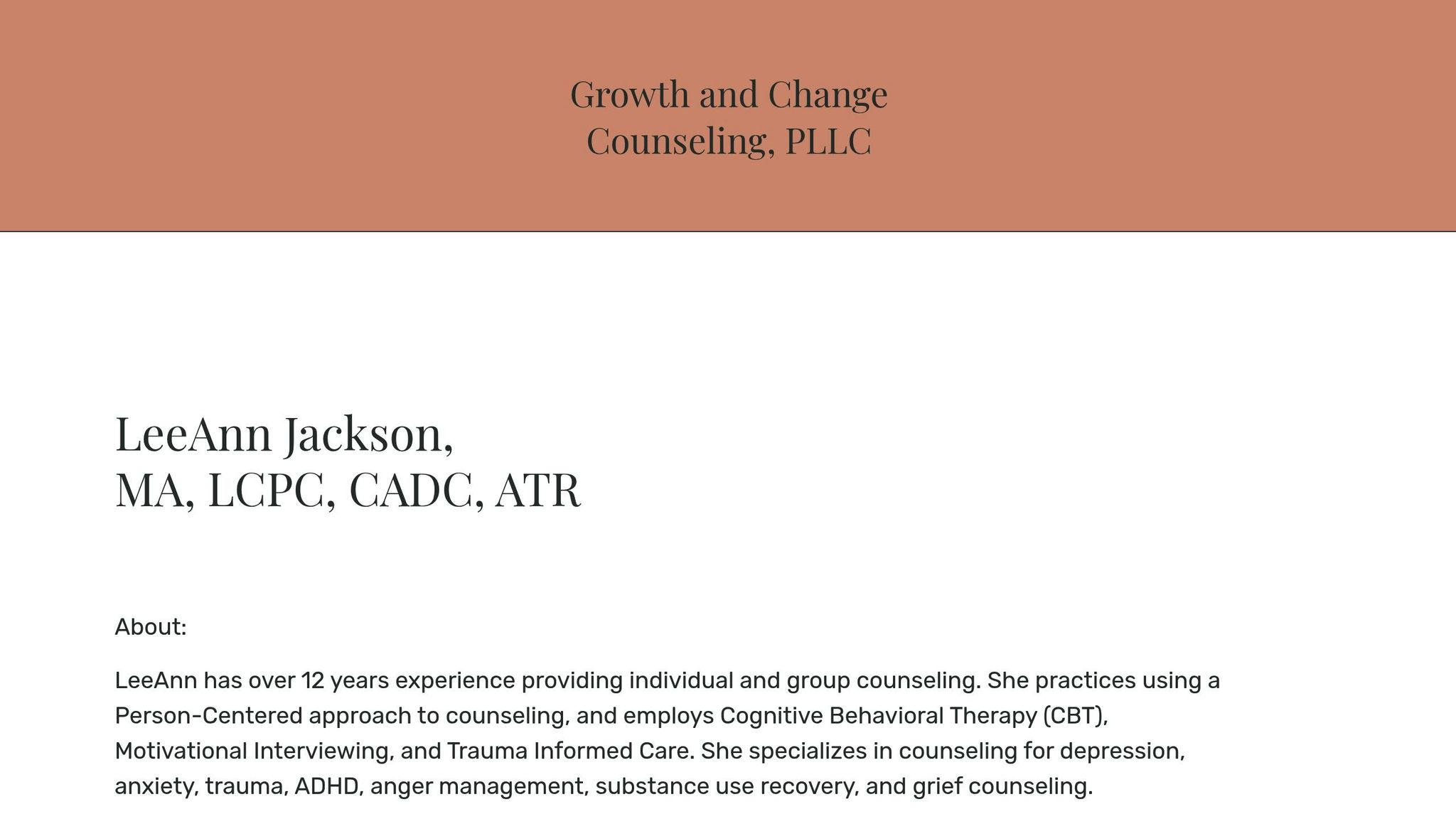
Growth and Change Counseling specializes in helping couples and individuals navigate the challenges of addiction and enabling behaviors. Their approach goes beyond treating the addiction itself, addressing the relationship dynamics that often surround it.
One standout service is the Marriage Rescue Institute, an intensive 12-week couples coaching program designed to help relationships in crisis. This program is especially beneficial for couples dealing with addiction, where enabling behaviors have caused significant strain.
"The Marriage Rescue Institute, our 12-week marriage program, is in the habit of putting marriages in dire circumstances back together!" – Growth and Change Counseling
In addition to couples therapy, Growth and Change Counseling offers individual therapy for both partners. For the person struggling with addiction, treatments target specific issues like internet, video game, pornography, and sex addiction. For the enabling partner, therapy provides a safe space to process feelings of guilt or fear, develop healthier coping skills, and rebuild self-esteem.
Family therapy and parent coaching are also available, focusing on how addiction impacts the entire family system. These services help family members understand their roles in enabling behaviors and teach them how to support recovery without sacrificing their own well-being.
For added convenience, Growth and Change Counseling offers telehealth services throughout California, including locations like Campbell, San Jose, Los Angeles, and Roseville. If you find yourself making excuses, providing financial support that fuels the addiction, or neglecting your own needs, it may be time to seek professional help. Combining individual and couples therapy can equip both partners with the tools they need to support recovery while maintaining a strong and healthy relationship. This kind of professional intervention complements your efforts to break enabling patterns and paves the way for lasting recovery.
Conclusion: Building Healthier Relationship Patterns
Breaking free from enabling behaviors marks the beginning of a meaningful transformation. With consistent effort, trust deepens, communication improves, and genuine support for recovery becomes possible. The steps outlined here emphasize creating lasting and positive change.
At the heart of healthy relationships are clear boundaries, self-care, and a commitment to encouraging personal accountability. By stepping away from making excuses for a partner’s addiction or providing financial support that perpetuates substance use, you open the door for authentic accountability. This shift allows your partner to face the natural consequences of their actions, as research has shown [2][4].
Taking care of yourself is a vital part of this process. John Kane, LMFT, founder of Growth and Change Counseling, highlights the importance of prioritizing your mental and emotional health:
"You are a relational being, wired for healthy relationship. The more relationally healthy people are, the less anxious, addicted, and depressed they are" [1].
This underscores how focusing on your own well-being not only strengthens you but also positively impacts the overall relationship dynamic.
When enabling behaviors stop, relationships often benefit from improved communication, stronger accountability, less conflict, and greater emotional stability [3]. This creates a more balanced and supportive dynamic, replacing the codependent patterns that may have previously dominated interactions.
Forgiveness – both for yourself and your partner – is another crucial element in moving away from enabling behaviors. Forgiveness doesn’t mean ignoring harmful actions or letting go of boundaries. Instead, it creates emotional space for healing and growth [3].
This journey isn’t without its challenges, which is why professional support can be so valuable. Consistent self-care and firm boundaries lay the foundation for lasting recovery. With approximately 46.3 million people aged 12 or older in the U.S. experiencing a substance use disorder in 2022 [5], it’s clear that many families are navigating similar struggles. Research shows that family involvement in recovery, when focused on healthy boundaries rather than enabling, can significantly improve treatment outcomes [4].
Change happens through intentional, daily growth. By committing to boundaries and self-care, you can build a relationship that thrives beyond addiction. These patterns of respect, genuine support, and shared commitment to health and healing will serve both you and your partner for years to come.
How to Stop Enabling an Addicted Partner: Growth and Change Counseling
How can I tell if I’m supporting my partner with addiction or enabling them?
Understanding the difference between supporting and enabling a partner with addiction is crucial. Supporting involves encouraging healthier choices and offering emotional encouragement – without sacrificing your own well-being. Enabling, however, often means actions (intentional or not) that protect your partner from facing the consequences of their behavior. This might include covering for them, making excuses, or taking over their responsibilities.
To break the cycle of enabling, establish clear boundaries and let your partner experience the natural consequences of their actions. If navigating this feels overwhelming, seeking professional guidance can make a difference. Growth and Change Counseling specializes in helping couples and individuals address addiction, offering resources and strategies to promote healing and personal growth.
What are some effective ways to set and maintain boundaries with a partner struggling with addiction?
Setting boundaries with a partner struggling with addiction is crucial for maintaining your own well-being while supporting them in a healthier way. Start by identifying behaviors you cannot accept and make these boundaries clear. When you communicate, be respectful but firm, ensuring they understand the limits and potential outcomes. For instance, you might say, "I won’t be able to cover for you at work if your drinking causes you to miss a shift."
Consistency is essential – stick to the boundaries you’ve set to demonstrate you mean what you say. Alongside this, focus on providing constructive support. This could mean being open to conversations about professional help or even attending counseling sessions together. Boundaries aren’t about punishing your partner; they’re about protecting your emotional health and creating a foundation for a healthier relationship.
How can I handle guilt and fear when I stop enabling my partner’s addiction?
Feeling guilt or fear when you stop enabling your partner’s addiction is completely normal. But it’s crucial to understand that enabling only keeps the cycle of addiction going. Instead, focus on creating healthy boundaries and putting your own well-being first. True support means encouraging your partner to take responsibility and grow, rather than protecting them from the natural consequences of their choices.
If you’re struggling with these emotions, reaching out to a therapist or counselor can make a big difference. Professional support can guide you through these complicated feelings and equip you with strategies to stay supportive without compromising your boundaries. Growth and Change Counseling provides specialized services, like couples counseling and addiction support, to help individuals and families build healthier, stronger relationships while tackling these challenges.
Related Blog Posts
- Addiction Recovery and Marriage Communication
- How Addiction Impacts Marital Stability
- Boundaries for Addiction Recovery and Healthy Love
- How Couples Build Accountability After Addiction
