Addiction can devastate a marriage, especially when it involves betrayal, secrecy, and broken promises. Rebuilding trust after addiction requires patience, honesty, and consistent effort from both partners. Here’s a quick breakdown:
- Addiction’s Impact: Lying, financial dishonesty, and emotional distance erode trust, leaving the betrayed partner hurt and questioning the relationship.
- Emotional Recovery: The betrayed partner may experience symptoms like anxiety, hypervigilance, and grief, while the addicted partner battles feelings of guilt and hopelessness.
- Steps to Rebuild Trust:
- Full Disclosure: Openly acknowledge past actions and maintain transparency.
- Healthy Boundaries: Set clear, fair boundaries to ensure safety and accountability.
- Emotional Safety: Foster understanding and avoid judgment to rebuild intimacy.
- Individual Healing: Both partners should focus on personal recovery before addressing the relationship.
Professional therapy, including programs like Growth and Change Counseling’s 12-week Marriage Rescue Institute, can provide structured support to navigate this challenging journey. Rebuilding trust takes time – often years – but with dedication, couples can repair and strengthen their bond.
Marriage After Addiction: Can You Rebuild Trust?
How Addiction Destroys Trust
Addiction doesn’t just harm the person caught in its grip – it systematically tears apart the foundation of trust in a marriage. The behaviors tied to addiction often lead to repeated betrayal, leaving both partners deeply hurt and emotionally distant. Over time, these betrayals build up, making it harder for the relationship to recover.
Deception and Secrecy: A Breach of Trust
Addiction often brings with it a cycle of lies and secrecy, which can feel like a constant betrayal. The addicted partner may lie about where they’ve been, how they’re spending money, or whether they’re using substances. These deceptions create a false reality, leaving the other partner feeling disconnected and misled.
One of the most painful aspects is financial dishonesty. Money that should go toward family needs often gets funneled into supporting the addiction. Discovering emptied savings accounts, hidden debts, or unpaid bills can deliver a crushing blow – not just financially, but emotionally, as it undermines the sense of security in the relationship.
Secrecy also creates an emotional wall between partners. When one person is living a hidden life, true intimacy becomes impossible. The betrayed partner often feels forced into the role of investigator, constantly searching for inconsistencies. This shift from trusting to doubting erodes the bond between them.
Broken promises add another layer of pain. The addicted partner might repeatedly vow, “I’ll quit,” or “I’m getting help,” only to relapse again. Over time, these unfulfilled commitments make it harder for the betrayed partner to trust any future declarations of change.
The Emotional Toll on Both Partners
The emotional fallout from addiction-related betrayal goes far beyond typical marital struggles. For the betrayed partner, the damage includes financial stress, fear for personal and family safety, and an overwhelming uncertainty about what lies ahead. Many find themselves caught in a cycle of hypervigilance, obsessively replaying the betrayals in their minds.
There’s also a profound sense of grief. The betrayed partner often mourns the loss of the person they thought they knew, grappling with the shift in priorities, values, and dependability that addiction brings. On top of that, guilt can creep in as they question whether they missed warning signs or could have done more to prevent the addiction.
For the addicted partner, there’s often a tendency to downplay the harm they’ve caused, which can stall any chance of healing. As John Kane, LMFT from Growth and Change Counseling, explains:
"Do you turn to an addiction to feel better or avoid pain when under stress? Anxious, addicted, depressed people isolate because they are pulling away from relationships, it hurts too much, it’s easier in the moment. But they get more mentally unwell because the root issues are endured instead of resolved, marriages are isolated instead of repaired." [1]
This isolation often leads the addicted partner to deny the full impact of their behavior. Without openly acknowledging the harm – such as saying, “I know my lies made you feel unsafe and alone” – the path to healing and forgiveness remains blocked.
Both partners can feel stuck in a painful cycle. The addicted partner might believe the relationship is beyond saving, which can trigger further substance use. Meanwhile, the betrayed partner swings between hope for change and despair, unsure if the marriage has a future. This dynamic can leave both feeling isolated and powerless.
The effects of addiction ripple out to children as well. Watching deception, instability, and broken promises can shake their sense of security and make it harder for them to trust others. The non-addicted parent is left to shield them from the chaos while also dealing with their own emotional wounds.
Acknowledging these patterns of betrayal and pain is the first step toward rebuilding trust, a process that will be explored in the next section.
Foundations for Rebuilding Trust
When addiction erodes trust, restoring it requires a thoughtful, structured approach rooted in honesty, clear boundaries, and emotional security.
The Importance of Full Disclosure
Rebuilding trust starts with honesty. Full disclosure means laying everything on the table – acknowledging past behaviors like lying, stealing, infidelity, or creating false narratives during active addiction. This process isn’t just about confessing; it’s about taking responsibility. When the addicted partner openly addresses their actions, it helps the betrayed partner piece together the truth and begin to heal.
A therapist plays a key role in guiding these conversations, ensuring they remain constructive and respectful. Ground rules – like allowing the betrayed partner to ask questions without fear of judgment – help create a safe environment. But full disclosure isn’t a one-and-done deal. It requires ongoing transparency about recovery progress, challenges, and even day-to-day activities. This steady openness lays the groundwork for trust to grow.
Once the truth is out in the open, the next step is setting boundaries to protect both partners.
Setting Healthy Boundaries
Boundaries act as guardrails, offering protection and clarity for both individuals. For example, regular check-ins, financial transparency, and open communication about recovery progress can help prevent relapse and rebuild a sense of security. For the betrayed partner, these boundaries provide reassurance, allowing them to feel informed about their partner’s actions and intentions. They also create space for healing, without any rush or pressure to forgive.
However, boundaries must strike the right balance. If they’re overly controlling or punitive, resentment can build, potentially increasing the risk of relapse. That’s why working with a therapist to establish fair, mutually agreed-upon boundaries is so important. When these boundaries are clearly communicated and consistently upheld, they create a foundation for trust to slowly but steadily return.
With boundaries in place, the focus can shift to creating an emotionally safe environment.
Creating Emotional Safety First
Before trust can truly be rebuilt, both partners need to feel emotionally safe. Without this, the risk of withdrawal and isolation grows, making healing even harder.
Emotional safety means fostering an environment where vulnerability is met with understanding, not judgment. The addicted partner contributes by keeping their promises, being transparent about their recovery journey, and expressing genuine remorse. At the same time, the betrayed partner plays a role by remaining open to progress, avoiding constant criticism, and recognizing small but meaningful steps forward. While feelings of anger and hurt are natural, therapy can help both partners express these emotions in a constructive way.
Healthy communication and therapy sessions become essential tools for navigating this process. They provide a space to confront challenges, share emotions, and support each other’s recovery.
Without emotional safety, anxiety can take over – a fear of being hurt again that leads to withdrawal and isolation.
"Anxiety often stems from dysfunctional relationships. When we experience hurt or a lack of safety, anxiety arises as a fear of further injury or negative outcomes. We want to help you break free from this cycle of anxiety and isolation."
Creating this safe space allows both partners to admit their struggles and begin addressing the deeper issues caused by addiction. It’s a vital step in the journey toward rebuilding trust.
Individual Healing: Separate Recovery Paths
Before a couple can rebuild their relationship, each partner must focus on their own healing journey. Addiction often leaves behind deep scars, damaging trust and creating wounds that require personal attention. By addressing these individual struggles first, both partners can lay the groundwork for future collaboration in couples therapy.
The Addicted Partner’s Recovery and Accountability
For the partner struggling with addiction, recovery begins with accountability. This means taking full responsibility for the harm caused by behaviors like dishonesty, secrecy, and broken promises. Acknowledging these actions and their impact on the spouse and the marriage is a critical step, and the commitment to transparency must continue throughout the recovery process.
Individual therapy is key to addressing the underlying challenges that often fuel addiction, such as unresolved trauma, difficulty managing emotions, or unhealthy coping mechanisms. Structured recovery programs, like 12-step meetings, offer additional support by promoting lasting behavior changes and encouraging genuine amends. Experts emphasize that even after achieving sobriety, there’s always a risk of relapse, making ongoing effort a necessity[2].
Rebuilding trust takes time and consistent actions. Attending therapy, participating in support groups, and staying engaged in recovery programs not only support sobriety but also demonstrate reliability. Every promise kept is a step toward restoring trust. However, patience is essential – research published in the Journal of Substance Abuse Treatment highlights that rebuilding trust after long-term addiction often takes years, not months[5]. If the addicted partner begins to feel the damage is beyond repair, this sense of hopelessness can threaten their commitment to recovery[2].
Recovery typically unfolds in stages: stabilization (3–6 months), rebuilding basic trust (6–12 months), and repairing deeper intimacy (1–3 years)[5]. Recognizing this timeline helps set realistic expectations and reinforces the importance of long-term dedication. Before re-establishing the marital connection, both partners must focus on their individual growth.
The Betrayed Partner’s Trauma Recovery
As the addicted partner works on accountability, the betrayed partner must address their own healing. Addiction often leaves the betrayed partner grappling with emotional pain that can resemble post-traumatic stress, including hypervigilance, intrusive thoughts, and persistent anxiety[5].
Individual therapy provides a safe space for the betrayed partner to process feelings of hurt, anger, and loss of trust without the added burden of managing their partner’s recovery. Trauma-focused approaches, such as Cognitive Behavioral Therapy (CBT), attachment theory, somatic therapy, or EMDR, can help process the betrayal and establish clear boundaries.
Healing independently allows the betrayed partner to reflect on their needs, set healthy boundaries, and decide whether to continue working on the relationship. Activities like therapy, support groups, and physical exercise can strengthen resilience and overall well-being[4]. Establishing boundaries – such as setting expectations for transparency in recovery or agreeing on appropriate times to discuss addiction-related issues – can also provide a sense of safety during the healing process.
It’s important for the betrayed partner to practice self-compassion and patience. Recovery isn’t a straight path, and setbacks are normal. Embracing the full range of emotions – from anger and sadness to hope and confusion – can help manage the stress and anxiety that often accompany the healing journey[3].
Before entering couples therapy, both partners need to demonstrate progress in their individual recovery. For the addicted partner, this means showing consistent honesty and behavioral change. For the betrayed partner, it involves working through trauma and establishing firm boundaries. Taking the time for personal healing reduces the risks of entering therapy prematurely, when emotions are still raw and fragile[2].
At Growth and Change Counseling, individual therapy is tailored to each person’s unique circumstances. For the addicted partner, this means addressing the roots of addiction and taking actionable steps toward a healthier life. For the betrayed partner, it involves exploring past experiences, identifying personal needs, and making deliberate strides toward healing. Building individual strength creates the foundation for successful couples therapy and a healthier relationship.
sbb-itb-596b85d
Rebuilding Connection Through Couples Therapy
After both partners have made strides in their individual recovery, couples therapy becomes the crucial step to reconnect and rebuild their relationship. This is where the healing process shifts from personal growth to mutual restoration. Without professional help, couples can fall into harmful patterns – reliving old wounds, assigning blame, or avoiding the tough conversations that need to happen. A therapist provides a safe, structured space where both partners can address the impact of addiction and begin to repair the damage. This process bridges personal healing with shared recovery.
A skilled therapist plays a vital role in mediating conflicts and ensuring both partners feel heard. Often, the partner who has been hurt may struggle to accept apologies or explanations from the person who caused the pain. A neutral professional can validate both perspectives and guide the couple away from blame and toward constructive solutions.
Couples therapy also dives into the deeper issues that may have contributed to the addiction and the breakdown of trust. It helps both partners understand how addiction has shaped their relationship and equips them with tools to create healthier dynamics moving forward. This structured environment is especially important during the delicate post-treatment phase, when both partners are adjusting to new habits, and the recovering partner may still be vulnerable to relapse.
Therapy Methods for Trust Restoration
Proven therapy approaches focus on teaching couples how to communicate effectively, handle difficult emotions, and build healthier relationship patterns. Rebuilding trust isn’t just about good intentions – it requires specific skills and consistent effort.
Emotionally Focused Therapy (EFT) helps couples heal from the emotional wounds caused by addiction. It focuses on repairing attachment bonds that are often damaged in distressed relationships. Addiction can break promises and strain emotional connections, making it harder for partners to express their feelings openly. EFT addresses these challenges by fostering emotional understanding and connection.
The Gottman Method offers practical strategies for managing conflict, strengthening friendship and intimacy, and creating shared meaning in a relationship. This approach is particularly helpful for couples recovering from addiction because it emphasizes rebuilding trust through everyday actions. It encourages partners to turn toward each other, handle disagreements constructively without criticism or defensiveness, and nurture a sense of appreciation and respect.
Both approaches provide couples with communication tools and techniques for setting healthy boundaries. Therapy sessions serve as a safe space to practice these new skills, allowing couples to experiment with better communication patterns in real time. For couples facing severe crises, more intensive support may be needed.
Growth and Change Counseling‘s Marriage Rescue Institute
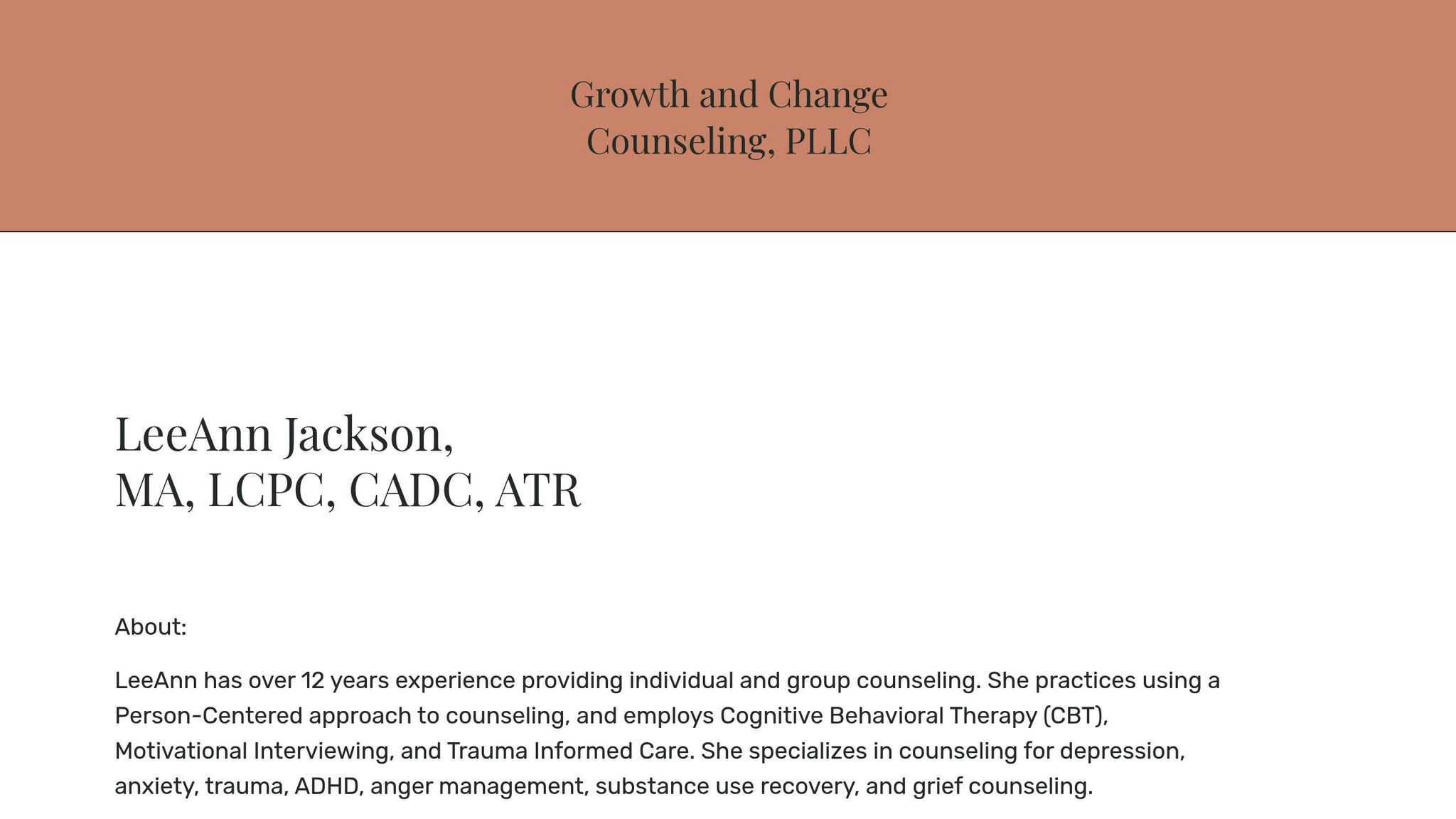
When addiction has severely strained a marriage, standard weekly therapy may not be enough. The Marriage Rescue Institute offers a 12-week intensive coaching program designed for couples in crisis. This program provides a concentrated approach to healing, offering a level of support that traditional therapy often cannot match.
Unlike typical therapy, which unfolds over months or even years, the Marriage Rescue Institute compresses the healing process into a focused 12-week period. This structure allows couples to dedicate significant time and energy to rebuilding their relationship before returning to the challenges of daily life. As John Kane, LMFT, explains:
"The Marriage Rescue Institute, our 12 week marriage program is in the habit of putting marriages in dire circumstances back together!" [1]
The program uses an integrative approach, drawing from various psychological methods, including Emotionally Focused Couples Therapy. It introduces principles of relational intelligence – skills essential for creating lasting, healthy relationships. The goal isn’t just to survive the crisis of addiction but to emerge with a stronger, more resilient marriage.
Throughout the program, couples are given relational homework and practical skills to apply in their daily lives. This ongoing support ensures that progress continues, even during challenging moments. The Marriage Rescue Institute is specifically designed to address the unique challenges that addiction brings to a marriage, such as rebuilding trust after betrayal, managing the risk of relapse, and understanding what it means to be in a relationship with someone in recovery.
Pricing for the Marriage Rescue Institute is determined during a couples strategy session and tailored to each couple’s specific needs. Services are offered in Campbell, CA; San Jose, CA; Los Angeles, CA; Roseville, CA; and via telehealth throughout California. This personalized approach ensures couples receive the support they need to address their unique circumstances and achieve meaningful progress.
When addiction pushes a marriage to the brink, couples require focused intervention to stabilize their relationship and rebuild hope. Through structured coaching, accountability, and emotional work, the program helps couples transition from crisis to healing in a defined timeframe. By the end of the program, many couples find themselves not just recovering but building a relationship that’s stronger than ever before.
Maintaining Trust Over Time
Rebuilding trust after addiction isn’t a one-time accomplishment marked by therapy or reaching a sobriety milestone. Instead, it’s a continuous process that requires dedication every single day. Trust restoration is more like running a marathon than a sprint – progress happens gradually, and consistent effort is the key to long-term success. Below, we’ll explore practical ways to set realistic expectations and create lasting support systems.
Setting Realistic Expectations and Timelines
One common mistake couples make is expecting trust to return overnight. Ellen Golding, MFT, explains that "immediate trust usually doesn’t happen", which can be especially hard for the recovering partner to accept [2]. Rebuilding trust is a long process that depends on the depth of the addiction and its impact on the relationship. For some, meaningful progress might emerge within 6–12 months of consistent effort, but for others, it could take two to three years – or even longer [3].
Actions, not words, are what rebuild trust. After it has been broken, promises alone won’t cut it. The recovering partner needs to show, through sustained and consistent behavior, that they are committed to change. Setbacks are part of the journey, but they don’t mean failure. Emotional regressions or moments of temptation are natural, and how couples handle these moments – whether they view them as opportunities to learn or as roadblocks – can make all the difference.
Patience is essential for both partners, though it looks different depending on the role. For the recovering partner, patience means understanding that trust is earned over time through actions, not just intentions [2]. Golding also warns that feelings of hopelessness – like believing the relationship is beyond repair – can threaten sobriety, making patience from both sides critical [2]. For the betrayed partner, patience involves giving space for recovery, setting healthy boundaries, and celebrating small victories along the way.
Realistic timelines help set the foundation, but accountability is what ensures progress continues.
Continuing Accountability and Support
Trust doesn’t maintain itself – it requires long-term support systems. For the recovering partner, attending 12-step programs or similar support groups on an ongoing basis provides accountability, education, and a safe space to navigate challenges [2,3]. Regular participation not only reinforces their commitment to sobriety but also reassures the betrayed partner that recovery remains a top priority.
Individual therapy is equally important for addressing underlying issues and developing healthier coping strategies. Couples therapy can also evolve over time, starting with frequent sessions during the initial crisis and transitioning to less frequent check-ins as stability grows. These professional supports help couples address new challenges before they escalate.
Accountability measures, such as regular updates and consistent follow-through on commitments (like managing finances or household tasks), are essential for rebuilding confidence. These measures should feel supportive rather than punitive, creating a sense of security in the relationship [4]. Over time, as trust strengthens, couples can adjust these structures thoughtfully and at a pace that feels comfortable.
It’s also important to balance accountability with emotional connection. Over-monitoring can stall progress, so couples should focus on rebuilding intimacy in ways that feel natural – whether through shared activities, physical affection, or expressing appreciation regularly [2,4].
When setbacks occur, having a plan in place can help both partners respond constructively. For the recovering partner, this might mean increasing transparency or intensifying therapy or group participation. For the betrayed partner, it’s about addressing concerns clearly and focusing on specific behaviors rather than making sweeping judgments.
Long-term success depends on keeping these support systems in place. Regular attendance at support groups and periodic couples therapy sessions help solidify progress and provide tools for dealing with new challenges [3,4]. For couples recovering from sexual addiction or those who’ve completed intensive programs like the Marriage Rescue Institute, the skills and techniques learned during treatment must be consistently applied in daily life until they become second nature.
At its core, maintaining trust is about actions, not just words. Showing up consistently, being honest even when it’s hard, and prioritizing the relationship over addiction every single day lays the groundwork for a marriage that doesn’t just survive but thrives.
Conclusion
Rebuilding trust after addiction is no small feat, especially within a marriage. It’s a process that demands patience, consistent effort, and a shared commitment to healing. While the road may be challenging, it’s possible for couples to mend the damage and move forward together.
This isn’t about quick fixes or hollow promises. Trust is rebuilt through actions, not words. The partner recovering from addiction must demonstrate accountability, honesty, and a genuine commitment to change. At the same time, the betrayed partner needs time and space to process their pain, heal, and decide if rebuilding trust is possible. Both individual healing and joint work – often through therapy – are critical in creating a trust-based relationship again.
Professional therapy plays a key role in this journey. It provides a safe environment to address underlying issues, improve communication, and develop healthier coping strategies. As Ellen Golding, MFT, explains, rebuilding a relationship is most effective when recovery is already underway. This requires patience from the recovering partner and a willingness to approach the process without resentment from the other[2].
For couples facing significant challenges, structured programs can offer the intensive support needed. Growth and Change Counseling’s Marriage Rescue Institute, for example, provides a 12-week coaching process aimed at helping couples in crisis rebuild trust and repair their marriages. These programs combine individual recovery with couples therapy, creating a framework for meaningful progress.
The timeline for rebuilding trust varies widely. Some couples may see progress within six to twelve months, while others might need several years. It’s important to understand that setbacks are part of the process – they’re opportunities to recommit to the work, not signs of failure. How couples respond to these moments determines whether they move forward or remain stuck.
When both partners commit to realistic expectations, seek professional guidance, and remain dedicated to the process, trust can be rebuilt. The result is a stronger, more honest marriage – one that grows more resilient with every step forward.
Finding Hope and Healing with Growth and Change Counseling
How can trust be rebuilt in a marriage impacted by addiction?
Rebuilding trust in a marriage after addiction is no small feat – it requires patience, dedication, and the right kind of help. One effective way to navigate this journey is through couples therapy, which provides a safe and guided environment to tackle deep-seated issues and rebuild emotional bonds.
At Growth and Change Counseling, the Marriage Rescue Institute offers a focused 12-week coaching program tailored for couples facing tough challenges. This program emphasizes open communication, mutual accountability, and emotional healing, laying the groundwork for trust and a stronger, healthier relationship.
How does individual therapy help rebuild trust in a marriage impacted by addiction?
Individual therapy is an important part of the recovery journey for couples navigating the challenges of addiction. It offers each partner a private and supportive environment to process their emotions, confront personal struggles, and address deeper issues that may be impacting the relationship.
Through this focused approach, individuals can work on building self-awareness, discovering healthier ways to cope, and enhancing their communication skills. These personal advancements not only strengthen emotional resilience but also lay the groundwork for rebuilding trust and fostering a deeper connection within the marriage.
How can therapy help couples rebuild trust and strengthen their marriage after addiction?
Therapy is an essential step for couples working to recover from the impact of addiction. It offers a safe, structured space where both partners can confront underlying problems, mend broken trust, and improve how they communicate with one another.
At Growth and Change Counseling, couples have access to tailored programs like The Marriage Rescue Institute. This intensive 12-week coaching process is specifically designed to help couples navigate the tough road of rebuilding their relationship. With expert support, partners can focus on emotional recovery and building a deeper, more united connection.
Related Blog Posts
- How Addiction Impacts Marital Stability
- Addiction Recovery and Emotional Connection in Marriage
- Marriage Coaching for Trust After Addiction
- Building Trust After Relapse in Marriage
