If you are reading this, you are probably exhausted. Not just from the arguments that loop back on themselves, or the cold silences that have replaced conversation, but from the sheer weight of trying to fix something that feels unfixable. You have likely already Googled “los angeles couples counseling” and been met with a wall of options: over 500 therapists on Psychology Today alone, each with a warm headshot and a list of specialties that all start to blur together. The paradox of choice hits hard when your relationship is on the line. You do not need more options. You need a clear way to evaluate them.
Table of Contents
-
How Much Does Couples Counseling Cost in Los Angeles? (2026 Pricing Reality)
-
Finding a Therapist Who Understands Your Identity (Cultural, Ethnic, and/or Racial Identity)
-
Frequently Asked Questions About Los Angeles Couples Counseling
This guide exists because finding the right couples therapist in Los Angeles is genuinely harder than it should be. The market is saturated, pricing is opaque, and the difference between a therapist with a polished website and one who can actually help you rebuild your connection is invisible until you are already in the room. I have written this from the perspective of a clinician who understands both the clinical landscape and the consumer experience. My goal is not to hand you a directory. It is to give you a framework for making one of the most consequential decisions you will make this year: who gets to sit with you and your partner and guide you back toward each other.
We will cover the evidence-based approaches that actually work, what you should realistically expect to pay in 2026, how to find a therapist who understands your identity and lived experience, the questions that turn a free 15-minute consultation into a genuine vetting tool, and how to verify that the person you are considering is qualified to do what they claim. By the end, you will know exactly what to look for and what to ignore.
Why “Good” Couples Therapy Is Different in Los Angeles
Los Angeles is not like other cities when it comes to couples therapy. The cultural and economic realities of living here shape both how therapy is delivered and what couples actually need from it. Understanding this context matters because it explains why certain approaches dominate the market and why your search will look different than it would in, say, Portland or Austin.
The first thing to understand is the geography of time. Los Angeles couples are stretched thin by commutes that can easily consume two or three hours of a day. When you add demanding work schedules, co-parenting logistics, and the general friction of life in a high-cost city, the traditional model of weekly 50-minute sessions becomes genuinely difficult to sustain. This is one reason why therapy intensives have gained such traction here. Practices like Couple Therapy LA offer three-hour and six-hour sessions designed to compress months of work into a single day or weekend. These intensives are not cheap, often running $700 or more per block, but for couples in crisis or those who simply cannot logistically commit to weekly visits, they represent a practical alternative.

The intensive model also reflects something deeper about LA culture: a preference for accelerated, high-impact interventions. This is a city where people do not want to spend a year in therapy if six months will do. That cultural impatience can be a liability when it leads couples to chase quick fixes, but it can also be an asset when paired with rigorous, evidence-based methods.
The second defining feature of the LA market is the dominance of Emotionally Focused Therapy. EFT, which we will explore in detail shortly, is the methodology most frequently cited by top-ranking practices. Cycles Couples Counseling, which specializes exclusively in couples work, is led by a clinical director who is one of a small number of EFT Supervisors in Los Angeles. Growth and Change Counseling LA also integrates EFT in their approach, alongside the Gottman Method. They specialize on addressing very difficult issues in marriages likes addiction, sex addiction, and infidelity and describe their approach as holistic and integrative. This concentration is not accidental. EFT has a strong research base, and its focus on attachment and emotional bonding resonates with couples who have tried surface-level communication techniques and found them inadequate.
The third factor is the normalization of telehealth. Since 2020, virtual couples therapy has become standard across California, and most LA practices now offer it as either a primary or hybrid option. This shift has expanded access for couples who live in different parts of the county or who travel frequently. But it has also introduced a new variable into the decision-making process: do you need to be in the same room as your therapist for the work to land? For some couples, the answer is yes, and that means filtering your search by geography, targeting neighborhoods like West LA, Santa Monica, Studio City, or Beverly Hills where in-person practices cluster.
Finally, there is the free consultation call. Nearly every top practice offers one: 15 minutes to determine if the therapist is a good fit. This is a genuine gift, but most couples waste it. They treat it as a vibe check rather than an interview. Later in this guide, I will give you the exact questions to ask so that those 15 minutes yield real information.
The 5 Most Effective Therapy Approaches Used in Los Angeles
When you start researching los angeles couples counseling, you will encounter a handful of therapeutic modalities repeatedly. Understanding what they are, how they differ, and which one fits your situation is the single most important filter you can apply to your search. A therapist’s methodology is not just academic jargon; it is the map they will use to navigate your relationship’s terrain.
The Integrative Approach
The Integrative Approach is a model used by Growth and Change Counseling. It draws on many differently modalities of treatment for couples, incorporating aspects of EFT, Gottman, as well as insights and strategies from other modalities focused on addressing mental health and addiction concerns. The starting point for this model is coming to a clear consensus on what defines relational health for the couple and laying the foundations with the couple in emotional intelligence, relational intelligence, and conflict resolutions skills that provide the fundamental framework for the couple to heal and thrive in their relationship. Growth and Change Counseling considers that each individual is a multi-dimensional being and the interpersonal relationship presents unique challenges of its own. A single modality of treatment is often inadequate to address all the complexities of what the couple needs, though it often, as in the case of EFT, provides a framework that can help a couple make a lot of progress. That is why Growth and Change Counseling believes that an Integrative approach is actually the Gold Standard!
Emotionally Focused Therapy (EFT)
Emotionally Focused Therapy is the closest thing couples therapy has to a gold standard, and in Los Angeles, it is the methodology you will encounter most often among highly regarded practitioners. Developed by Dr. Sue Johnson, EFT is built on attachment theory: the idea that adult romantic relationships function as attachment bonds, and that distress in those bonds follows predictable patterns.
The core insight of EFT is that couples get stuck in negative interaction cycles. One partner criticizes or pursues; the other withdraws or defends. Each move triggers the other, and the cycle tightens until both partners feel isolated, unseen, and hopeless. EFT therapists call this the “dance,” and their job is to help couples see the dance for what it is, slow it down, and access the vulnerable emotions driving it. When a withdrawing partner can finally say, “I shut down because I am terrified of failing you,” and the pursuing partner can hear that fear beneath the silence, the cycle begins to loosen.
The research backing EFT is strong. Studies show that 70 to 75 percent of couples who complete EFT move from significant distress to recovery, and the gains tend to hold over time. This is not a modality that teaches communication tricks and sends you on your way. It aims to restructure the emotional bond itself.
In Los Angeles, finding a therapist who is genuinely qualified in EFT requires looking beyond the label. Many therapists say they “use EFT” because they attended a weekend workshop. What you want is someone who has completed the EFT Externship and, ideally, advanced Core Skills training. The highest credential is EFT Supervisor or Certified EFT Therapist, and these clinicians are rare. Cycles Couples Counseling employs an EFT Supervisor, which places them in a small tier of practices with the deepest training. If EFT resonates with how you understand your struggles, prioritize this credential.
The Gottman Method – Research-Driven Practicality

If EFT is about emotion and attachment, the Gottman Method is about behavior and skill-building. Developed by Drs. John and Julie Gottman over more than four decades of research, this approach is grounded in the study of thousands of couples, including those the Gottmans followed longitudinally to identify what distinguishes masters of relationship from disasters.
The Gottman Method focuses on nine components of healthy relationships, which include building love maps (knowing your partner’s inner world), nurturing fondness and admiration, turning toward bids for connection, managing conflict constructively, and creating shared meaning. Therapists trained in this method often give couples concrete exercises, structured conversations, and tools they can practice between sessions. The approach is practical, transparent, and appealing to couples who want a clear roadmap.
In Los Angeles, many practices integrate Gottman with EFT rather than offering it in isolation. Couple Therapy LA, for example, lists both among their clinicians’ competencies. The Gottman Method is particularly well-suited for couples who are not in acute crisis but who feel their connection has eroded, who argue frequently without resolution, or who want to strengthen a basically functional relationship before a major transition like marriage or parenthood.
When vetting a Gottman-trained therapist, look for Level 2 or Level 3 certification. Level 1 is an introductory workshop and does not indicate deep competence. A therapist who has completed Level 3 and is working toward certification has invested significant time in mastering the method.
Imago Relationship Therapy – Healing Childhood Wounds
Imago Relationship Therapy, developed by Harville Hendrix and Helen LaKelly Hunt, operates from a different premise than either EFT or Gottman. Its central idea is that we unconsciously select partners who resemble our primary caregivers, not because we want to repeat childhood pain, but because we are drawn to the opportunity to heal it. The conflicts that arise in adult relationships are, in this view, reenactments of old wounds, and the relationship itself becomes a vehicle for mutual healing.
Imago is less widely practiced in Los Angeles than EFT, but it still appears in the offerings of practices like Couple Therapy LA. It is particularly useful for couples where one or both partners have significant unresolved family-of-origin issues, or where the same arguments seem to tap into something much older and rawer than the surface topic suggests. The Imago dialogue, a structured communication process, is the method’s signature tool.
Imago is not for everyone. Some couples find the structured dialogue format stilted or the childhood focus too removed from present-day problems. But for those whose conflicts feel archetypal, repetitive, and rooted in early attachment injuries, it can be transformative.
Ketamine-Assisted and Accelerated Approaches (The LA Edge)
Los Angeles has always been a city where therapeutic boundaries are tested, and the emergence of ketamine-assisted therapy in some couples-focused practices reflects that. Playa Vista Counseling, for example, offers ketamine-assisted therapy for individuals dealing with depression, anxiety, and PTSD. While this is not typically administered during couples sessions, it is relevant because individual mental health struggles often drive relationship distress. A partner whose depression lifts may suddenly be capable of showing up in the relationship in ways that years of talk therapy alone could not unlock.
The broader category of accelerated approaches also includes the intensives mentioned earlier. Couple Therapy LA offers dedicated couples therapy intensives for accelerated healing. These are not casual offerings; they are immersive, emotionally demanding, and expensive. They can be a lifeline for couples in acute crisis, such as after an affair disclosure, or for those who have tried weekly therapy and stalled out. But they are not a shortcut. The emotional work still takes what it takes. Intensives compress the calendar but not the process itself.
A word of caution: these accelerated and adjunctive approaches are almost never covered by insurance, and they require a level of psychological stability and readiness that not every couple possesses. Vet the provider carefully. Ask about screening protocols, integration support, and what happens if the intensive surfaces more than you can process in a single day.
Navigating Your Journey with Growth and Change Counseling
Let us talk about money directly, because the field does not make it easy. If you have spent any time clicking through the websites of top Los Angeles practices, you have probably noticed something: almost none of them list their fees. Playa Vista Counseling, Cycles Couples Counseling, Couple Therapy LA, none of these prominently display session costs. This is not an accident. The industry norm is to discuss pricing during the consultation call, after the therapist has had a chance to establish their value and you have had a chance to feel a personal connection. This is understandable from a business perspective, but it leaves cost-conscious couples in the dark.
Based on the data that is available, and on what is typical for the Los Angeles market in 2026, here is what you can expect. A standard 50-minute session with a licensed therapist (LMFT, LCSW, or LPCC) in Los Angeles runs between $200 and $350. Therapists with specialized certifications, such as EFT Supervisor or Gottman Level 3, tend to be at the higher end of that range. Associate-level therapists working under supervision may charge less, sometimes $125 to $175 per session, and can be a viable option if budget is tight and you are open to working with a newer clinician.
Intensives are a different category. A three-hour session typically costs between $500 and $900. Full-day intensives can run $1,200 to $1,500 or more. These prices reflect not just the therapist’s time in the room but the preparation, the customized curriculum, and the emotional bandwidth required to hold a couple’s distress for an extended period.
Insurance complicates the picture further. Most couples therapists in Los Angeles are out-of-network providers. This means you pay the full fee upfront and, if your plan includes out-of-network benefits, you submit a superbill for partial reimbursement. The reason for this is structural: insurance companies typically require a mental health diagnosis to reimburse therapy, and “relationship distress” does not always qualify unless one partner meets criteria for a covered condition like depression or anxiety. Some therapists will bill under “family therapy” if a diagnosable condition is present, but this is a workaround, not a guarantee.
Psychology Today’s directory allows you to filter by insurance, which is a useful starting point. But you should still call your insurance company directly and ask: “Does my plan cover couples therapy under CPT code 90847 (family psychotherapy with patient present)? What is my out-of-network deductible and reimbursement rate?” Do this before you book a consultation, so you know your financial parameters going in.
Sliding scale options exist but are not widely advertised. Reddit threads occasionally surface resources like Scribble, a low-cost therapy platform, and community clinics like The Maple Counseling Center offer reduced-fee services. University training clinics at UCLA and USC also provide low-cost therapy with graduate student clinicians under licensed supervision. True free couples counseling in Los Angeles is extremely rare and usually limited to crisis intervention or grant-funded programs with long waitlists. If “free couples counseling los angeles” is what you typed into Google, adjust your expectations: you are more likely to find low-cost than no-cost.
Finding a Therapist Who Understands Your Identity (Cultural, Ethnic, and or Racial Identity)
Here is a gap in the Los Angeles couples therapy market that deserves honest attention. Related searches for “Interracial couples therapy los angeles” and “Black couples therapist los angeles” indicate significant demand, yet the top-ranking practice websites rarely address these needs explicitly. This does not mean competent, affirming care is unavailable. It means you have to look harder and ask sharper questions.
At Growth and Change Counseling Interracial and Culturally Competent Couples Counseling is our focus, with experienced therapists equipped to meet the needs of many couples from diverse racial and cultural backgrounds. This signals that the practice has made a deliberate choice to name their competence rather than assume it. Effective therapy requires specific knowledge: understanding the impact of minority stress on relationships, recognizing how cultural norms and internal core beliefs shape conflict patterns, and being skilled at helping couples of every background get the relational support they need.
When you are evaluating a therapist for culturally competent care, ask directly: “What specific training have you completed in culturally attuned therapy? How do you handle situations where a couple’s conflict intersects with experiences of discrimination or family rejection?” A therapist who can answer these questions substantively is worth your time. One who deflects with “I treat everyone the same” is not.
The search for a Black couples therapist in Los Angeles involves similar dynamics. Racial matching is not necessary for effective therapy, but for many Black couples, working with a therapist who shares their racial identity removes the exhausting burden of explaining racism, code-switching, or cultural context. It allows the work to go deeper, faster. Psychology Today’s directory allows you to filter by ethnicity, which is a practical starting point. But again, the consultation call is where you probe deeper. Ask: “How do you understand the role of racial trauma in relationship distress? Have you worked with couples navigating interracial dynamics or differing experiences of racialization?”
Peer-to-peer recommendations carry particular weight here. The Reddit thread that surfaced “Dr. Jene Verchick is the best therapist in Los Angeles” is an example of how trust travels through community channels rather than search engine rankings. Searching r/AskLosAngeles for “couples therapy” or “Black therapist” can surface names and practices that do not appear on the first page of Google but that have earned deep loyalty from the people they serve.
What to Ask During Your Free 15-Minute Consultation Call
The free consultation call is standard practice among top Los Angeles couples therapists, but most couples approach it passively. They wait for the therapist to lead, answer a few questions about their situation, and then make a gut-level judgment about whether they “liked” the person on the other end of the line. Liking your therapist matters, but it is not enough. You need information that predicts whether this clinician can actually help you.
Start with the methodology question: “What is your primary therapeutic approach, and how does it apply to couples like us?” Listen for a clear, confident answer. A therapist who says they are “eclectic” or “use whatever works” without anchoring in a specific framework may be skilled, but they may also lack the disciplined focus that evidence-based work requires. If they name EFT, Gottman, or Imago, ask a follow-up: “What training have you completed in that approach?” You are listening for depth, not breadth.
Next, ask about your specific issue. Do not be vague. If you are dealing with infidelity, say so. If you are a queer couple navigating family estrangement, name it. If you are in the postpartum period and barely recognize each other, put that on the table. Ask: “Do you have experience working with couples facing this specific challenge?” A therapist who has walked multiple couples through affair recovery will answer differently than one who has read about it. You want the one who has done the work.
Then, the money question: “What is your fee, and do you offer a sliding scale or a superbill for insurance reimbursement?” Ask this directly and without apology. A therapist who is uncomfortable discussing money is not the right therapist for a relationship that will inevitably need to discuss money. Get the number. Know whether it is per session or per package. Understand the cancellation policy.
Finally, ask about asymmetry: “How do you handle sessions where one partner is more reluctant or less engaged than the other?” This is a common dynamic, and a skilled therapist will have a clear answer. They might describe how they work to create safety for the reluctant partner, how they avoid aligning with one partner against the other, or how they check in individually if needed. A red flag is a therapist who dismisses the concern or implies that the reluctant partner just needs to “get on board.”
Virtual vs. In-Person Couples Therapy in Los Angeles
The question of whether to pursue virtual or in-person therapy has become permanent. In 2026, telehealth is fully integrated into the mental health landscape, and most Los Angeles practices offer both options. The choice is not about what is possible; it is about what is optimal for your specific relationship.
In-person therapy retains distinct advantages for couples doing deep emotional work. EFT, in particular, relies on the therapist’s ability to track micro-expressions, body language, and the subtle shifts in energy that signal a partner is about to withdraw or explode. Being in the same room allows the therapist to intervene at the level of the nervous system, using their own presence as a regulating force. For couples in high conflict, or those working through trauma, the containment of a physical therapy office can be essential. Popular neighborhoods for in-person practices include West LA, Santa Monica, Studio City, and Beverly Hills, where clusters of therapists maintain offices.
Virtual therapy, by contrast, offers logistical freedom. Couples with demanding schedules, long commutes, or travel obligations can maintain consistency in a way that would be impossible with in-person sessions. Research on telehealth outcomes for couples therapy is encouraging: for most issues, virtual sessions are as effective as face-to-face work. The key variable is not the medium but the quality of the therapeutic alliance.
Some practices, including Cycles Couples Counseling and Couple Therapy LA, offer hybrid models where couples can alternate between in-person and virtual sessions depending on their needs. This flexibility is valuable, but it requires discipline. The temptation to treat a virtual session more casually, to log in from separate rooms or multitask during the call, can undermine the work. If you choose virtual therapy, treat it with the same gravity you would an in-person appointment. Sit in the same room. Close other tabs. Show up fully.
How to Verify a Therapist’s Credentials and Reputation
The title “therapist” is legally protected in California, but the quality of training behind that title varies enormously. Before you commit to working with someone, verify that they are who they say they are and that their credentials match their claims.
Start with licensing. The California Board of Behavioral Sciences maintains a public license lookup tool where you can verify that a therapist’s LMFT, LCSW, or LPCC license is active and in good standing. This takes two minutes and confirms the baseline: this person is legally authorized to practice. But licensure alone tells you nothing about specialization.
For specialized certifications, go deeper. If a therapist claims to be an EFT Supervisor or Certified EFT Therapist, you can verify this through the International Centre for Excellence in Emotionally Focused Therapy. If they claim Gottman certification, the Gottman Institute maintains a referral network of certified therapists. If they present themselves as a Certified Sex Therapist, the American Association of Sexuality Educators, Counselors, and Therapists (AASECT) is the credentialing body. A therapist who has invested the time and money to earn these certifications will be listed in the relevant directories.
Reviews are trickier. Yelp and Google reviews provide a rough signal, but they are vulnerable to distortion. A single angry ex-partner can tank a therapist’s rating, and ethical therapists cannot respond with client details to correct the record. Read reviews for patterns rather than outliers. If multiple people describe the therapist as warm but direct, or note that they felt genuinely understood, that is useful. If one review screams about a billing dispute while twenty others describe transformative work, weigh accordingly.
Reddit deserves special mention as a trust signal that professional directories cannot replicate. The thread recommending Dr. Jene Verchick is not unique; r/AskLosAngeles contains numerous threads where Angelenos share raw, unfiltered experiences with local therapists. These recommendations come with no marketing agenda, and they often include details about pricing, style, and fit that a Psychology Today profile would never surface. Search the subreddit, read the threads, and cross-reference what you find with the therapist’s professional presence.
Frequently Asked Questions About Los Angeles Couples Counseling
Does insurance cover couples therapy in California?
Most health insurance plans do not cover couples therapy directly when the stated reason is relationship improvement or marriage counseling. However, many plans will cover family therapy (CPT code 90847) if one partner has a diagnosed mental health condition that is being treated in the context of the relationship. This requires the therapist to assign a diagnosis and document medical necessity. Out-of-network reimbursement is a more common path: you pay the therapist’s full fee and submit a superbill to your insurance company for partial reimbursement according to your plan’s out-of-network benefits. Always call your insurer before starting therapy to confirm your coverage, deductible, and reimbursement rate.
How long does couples therapy usually take?
The honest answer is that it depends on the severity of the distress, the methodology being used, and the couple’s commitment to the work. EFT research suggests that 8 to 20 sessions is typical for couples to move from significant distress to recovery. The Gottman Method often operates on a similar timeline, with some couples continuing less frequently for maintenance. Intensives can accelerate the early stages of work but are not a replacement for the integration and practice that happen over time. Beware of any therapist who promises a specific number of sessions before they have assessed your relationship.
What is the difference between EFT and Gottman?
EFT is emotion-focused and attachment-based. It prioritizes identifying and restructuring the negative interaction cycles that keep couples stuck, and it views emotional vulnerability as the pathway to secure connection. The Gottman Method is behavioral and skill-based. It emphasizes concrete tools, structured exercises, and the building of friendship and shared meaning. EFT is often better for couples caught in painful, repetitive conflict cycles where emotions run high. Gottman is often better for couples who want a practical roadmap and are not in acute crisis. Many Los Angeles therapists integrate elements of both.
Can I get free couples counseling in Los Angeles?
Truly free couples counseling is extremely limited. The most reliable options are university training clinics, such as those at UCLA and USC, where graduate students provide therapy under licensed supervision at low or no cost. Non-profit organizations like The Maple Counseling Center also offer sliding-scale services. Community mental health clinics may have grant-funded slots for couples, but waitlists are common. If cost is a barrier, prioritize sliding-scale clinics and associate-level therapists, who charge significantly less than fully licensed clinicians, rather than holding out for free services that may never materialize.
Final Thoughts: Your Next Step
You now have a framework. You know that methodology matters, that EFT is the dominant evidence-based approach in Los Angeles, that you should expect to pay between $200 and $350 per session unless you find an associate or a sliding-scale option, and that the free consultation call is your best tool for vetting a therapist if you use it intentionally. You know to verify credentials, to ask about identity-specific competence if it applies to you, and to treat online reviews as directional rather than definitive.
The cost of not acting is higher than the cost of a session. Relationships do not stall; they deteriorate or they grow. Every month spent in unresolved conflict deepens the grooves of disconnection and makes the work of repair harder. The right therapist for your relationship exists in Los Angeles. They are one of the 500-plus names in the directory, but now you know how to find them. Book one or two consultations this week. Ask the questions. Trust your discernment. The work is worth it.
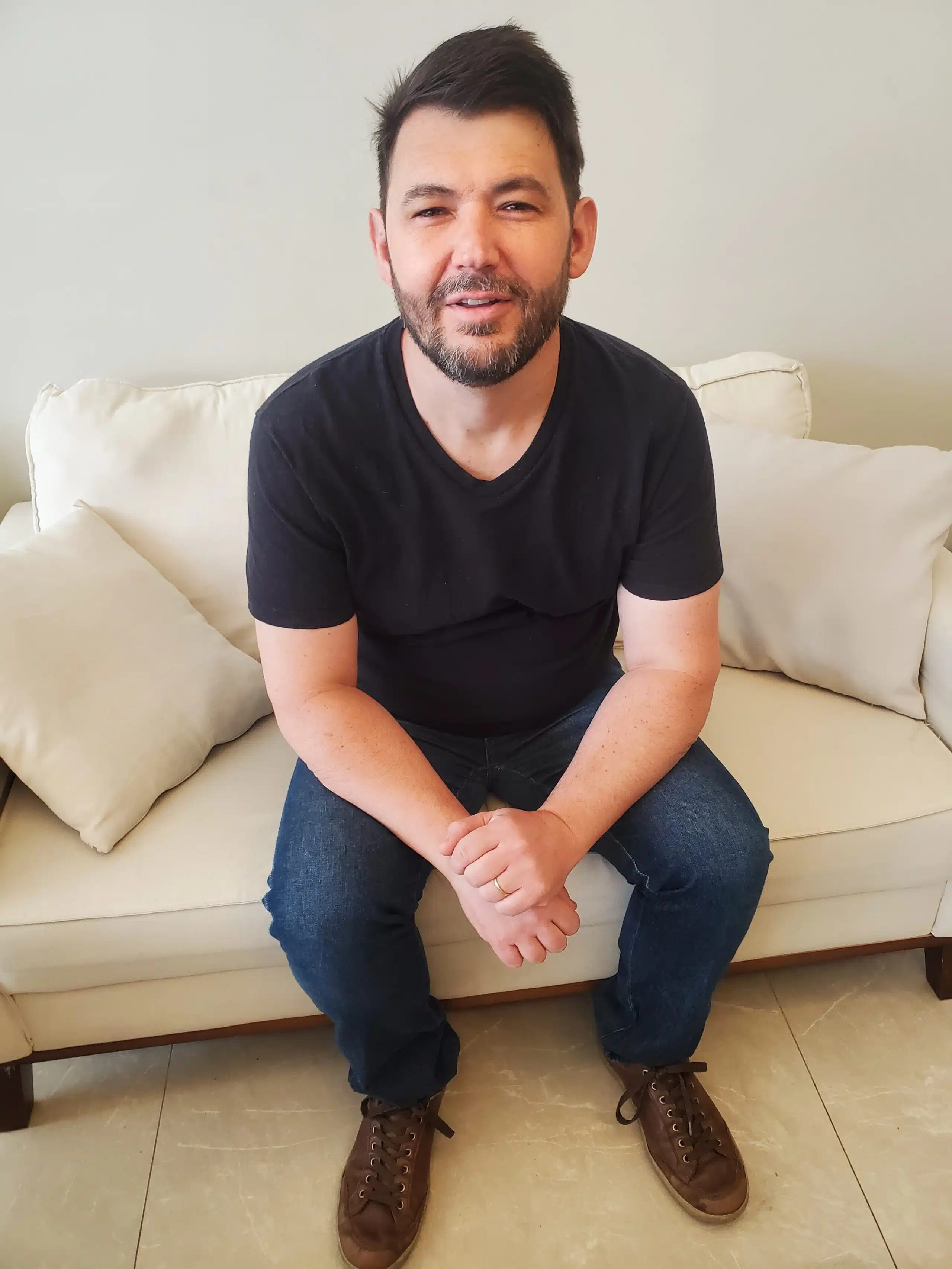
John Kane, LMFT, has a Master’s degree in Marriage and Family Therapy from Western Seminary in San Jose, CA. He is the founder of Growth and Change Counseling and the Marriage Rescue Institute. He is an experienced relationship-focused therapist working with Individuals, Couples, and Families. Prior to obtaining his Master’s degree, John practiced as a Mental Health Coach for over 10 years. He also has the unique experience of obtaining an undergraduate degree in Recreation and specializing in Wilderness Therapy and Adventure Programming. He once lived outside in the woods for two years, working with emotionally disturbed boys. John is passionate about teaching couples and families the principles of relationships that empower even the most troubled relationships to change course and thrive!