Choosing between individual and couples therapy depends on your goals and challenges. Individual therapy focuses on personal growth and mental health, helping you address issues like anxiety, trauma, or addiction privately. Couples therapy, however, works on improving communication, resolving conflicts, and rebuilding trust within relationships. If you’re unsure, consider these quick points:
- Individual Therapy: Best for personal struggles (e.g., depression, PTSD, self-esteem). Private sessions with a therapist.
- Couples Therapy: Best for relationship challenges (e.g., communication, trust issues). Both partners work together with a therapist.
Quick Comparison:
| Aspect | Individual Therapy | Couples Therapy |
|---|---|---|
| Focus | Personal growth, mental health | Relationship dynamics, communication |
| Participants | One-on-one with therapist | Both partners in sessions |
| Best For | Anxiety, trauma, addiction, self-awareness | Trust issues, conflicts, intimacy |
| Privacy | Fully private | Shared with partner |
| Cost | Per person | Shared session cost |
The right choice depends on whether your challenges are personal or relationship-based. Sometimes, combining both approaches can be helpful for comprehensive support.
Individual Therapy or Couples Therapy: Which One Is Right?
What Is Individual Therapy?
Individual therapy is a private, one-on-one process where you work with a trained professional to address personal challenges and find ways to grow and heal.
Main Focus and Goals
At its core, individual therapy is about understanding yourself and finding solutions that work for you. The goal is to help you explore your thoughts, emotions, and behaviors while learning strategies to cope with life’s challenges. It’s commonly used to address issues like anxiety, depression, trauma, addiction, and grief.
The journey begins by identifying what’s causing distress in your life. Your therapist helps you uncover the root causes – whether it’s past experiences, negative thinking patterns, or unresolved conflicts. Through this process, you gain greater self-awareness and practical tools to manage your symptoms.
A big part of therapy is also about preparing for the future. This might mean learning how to communicate more effectively, regulating your emotions, or challenging core beliefs that may be holding you back. This personalized approach provides a strong foundation for recovery and healthier relationships.
Common Methods and Techniques
Therapists use a variety of methods based on what you need. One of the most popular is Cognitive Behavioral Therapy (CBT), which focuses on identifying and changing negative thought patterns that lead to emotional distress and problematic behaviors.
For those dealing with trauma, approaches like EMDR (Eye Movement Desensitization and Reprocessing) or Trauma-Focused CBT can help process painful memories and reduce their impact on your daily life.
Mindfulness-based techniques teach you how to observe your thoughts and feelings without judgment, which can ease anxiety and improve emotional balance. Dialectical Behavior Therapy (DBT) combines mindfulness practices with skills to manage intense emotions and strengthen relationships.
In addiction recovery, Motivational Interviewing is often used to explore what drives your behavior and guide you toward healthier choices. This method respects your autonomy while encouraging positive change.
Psychodynamic therapy is another approach, focusing on how past experiences and unconscious patterns shape your current behavior. It’s especially helpful for understanding recurring relationship issues or deeply rooted emotional struggles.
These techniques not only help reduce immediate distress but also equip you with tools to navigate future challenges, improve relationships, and support long-term recovery.
When Individual Therapy Works Best
Individual therapy shines in situations where personal growth and self-awareness are key. It’s particularly effective for addressing mental health conditions like depression, anxiety, and PTSD, as well as addiction, trauma, and codependency.
If you’re recovering from addiction, therapy provides a safe space to explore the underlying factors driving substance use. This is especially crucial during early recovery when the focus is on building coping skills and addressing trauma or mental health concerns.
For those working through personal trauma or abuse, the private, one-on-one setting of therapy offers a safe environment to process difficult experiences at your own pace. This privacy allows you to focus on your healing without worrying about how your revelations might affect others.
When relationship challenges are tied to individual issues – like attachment struggles, low self-esteem, or unresolved grief – individual therapy can address these root causes. For instance, treating anxiety or depression often leads to improvements in your relationships as your mental health stabilizes.
Therapy is also helpful when you’re looking to build stronger boundaries, boost self-confidence, or learn how to manage emotions more effectively. These personal skills not only enhance your well-being but also create a foundation for healthier, more balanced relationships.
Finally, if you’re dealing with codependency or people-pleasing tendencies, individual therapy can help you reclaim your sense of self. By focusing on your own needs and building resilience, you’ll be better equipped to maintain healthier relationships and navigate life’s challenges with confidence.
What Is Couples Therapy?
Couples therapy is a process where partners work together with a trained therapist to improve their relationship. Unlike individual therapy, which focuses on personal growth, couples therapy centers on the relationship as a whole. The goal is to help partners build healthier communication habits and deepen their emotional connection.
Main Focus and Goals
The primary aim of couples therapy is to improve how partners interact, resolve conflicts, and strengthen their bond. Instead of zeroing in on individual struggles, therapists guide couples to see how their actions and communication styles affect the relationship dynamic.
A big part of this process involves rebuilding trust and creating a sense of emotional safety. Whether couples are navigating challenges like infidelity, addiction, or recurring arguments, therapy provides a space for open and honest dialogue. It encourages partners to listen with empathy and respond with greater understanding, fostering a more supportive relationship.
Couples therapy also teaches practical skills for managing disagreements and maintaining intimacy during stressful times. To achieve these outcomes, therapists rely on proven techniques tailored to the couple’s unique situation.
Specialized Techniques and Approaches
Therapists often use evidence-based methods to help couples address their issues and develop a deeper understanding of each other. Some widely used approaches include:
- Emotionally Focused Therapy (EFT): This method focuses on strengthening emotional bonds and encouraging open expression of feelings [5][8].
- The Gottman Method: Based on decades of research, this approach helps couples handle conflict and improve problem-solving. It introduces concepts like "The Four Horsemen" – criticism, defensiveness, stonewalling, and contempt – and their antidotes [5].
- Contextual Therapy: This approach emphasizes fairness and trust by encouraging personal accountability and balanced give-and-take [6].
- Dialectical Behavior Therapy (DBT): Techniques like DEAR MAN teach couples how to set boundaries and communicate effectively in emotionally charged situations [4].
- Internal Family Systems (IFS): This method helps partners explore their emotional reactions with compassion, especially after experiences of betrayal [8].
- Somatic Approaches: These techniques address how the body processes stress and trauma, helping couples regulate emotions and rebuild trust [8].
When Couples Therapy Works Best
Couples therapy tends to be most effective when both partners are fully committed to the process. It’s particularly helpful for addressing communication breakdowns, rebuilding trust after betrayals, and navigating challenges like addiction recovery. By creating a safe and structured environment, therapy allows couples to work through difficult emotions and strengthen their partnership.
Research shows that couples therapy can make a significant difference. For instance, about 48% of couples report improved or fully recovered relationship satisfaction five years after therapy [7]. Whether the goal is to heal from past issues or simply enhance an already strong relationship, couples therapy provides tools to navigate future challenges with greater confidence.
Key Differences Between Individual and Couples Therapy
The primary distinction between individual and couples therapy lies in who takes part in the sessions. In individual therapy, the focus is on one person working directly with a therapist, while couples therapy includes both partners attending sessions together. This difference in participation is crucial, as it influences the goals, dynamics, and outcomes of the therapy.
| Feature | Individual Therapy | Couples Therapy |
|---|---|---|
| Session Participants | One client and one therapist [9] | Both partners together |
This distinction helps explain how individual therapy centers on personal development, while couples therapy aims to address and improve relationship dynamics.
sbb-itb-596b85d
How to Decide Between Individual and Couples Therapy
The choice between individual and couples therapy often depends on whether the challenges you’re facing are personal or tied directly to your relationship [10][3].
Criteria for Choosing the Right Therapy
Start by clarifying your goals. Ask yourself: Are the issues you’re dealing with personal or relational? How are these challenges impacting your relationship? What do you hope to achieve through therapy? [10]
Individual therapy is a better fit when privacy is essential for addressing personal struggles. This is especially true if one partner is hesitant to open up in a shared setting [9][12]. It can also provide a space for private reflection before tackling joint discussions [12].
If mental health concerns like severe anxiety, ADHD, or sensory processing issues are affecting your relationship, individual therapy is often the first step. These types of personal challenges usually require focused attention before couples therapy can be effective [12].
Couples therapy, on the other hand, is ideal for addressing recurring arguments, communication breakdowns, or other issues that are directly harming the relationship.
Scenarios Where One Approach May Be Better
If one partner resists couples therapy, starting with individual sessions can be a good alternative. Progress in individual therapy may eventually encourage joint sessions. In some cases, beginning with couples therapy can provide a clearer picture of both individual and relationship dynamics [3][13].
For couples struggling to resolve conflicts on their own, seeing a therapist before making any final decisions about separation can be invaluable. A couples therapist can offer insights and strategies to navigate even the most challenging situations [11]. Some therapists recommend starting with couples therapy to assess the relationship holistically and then incorporating individual sessions as needed to complement the work [13].
Services Offered by Growth and Change Counseling
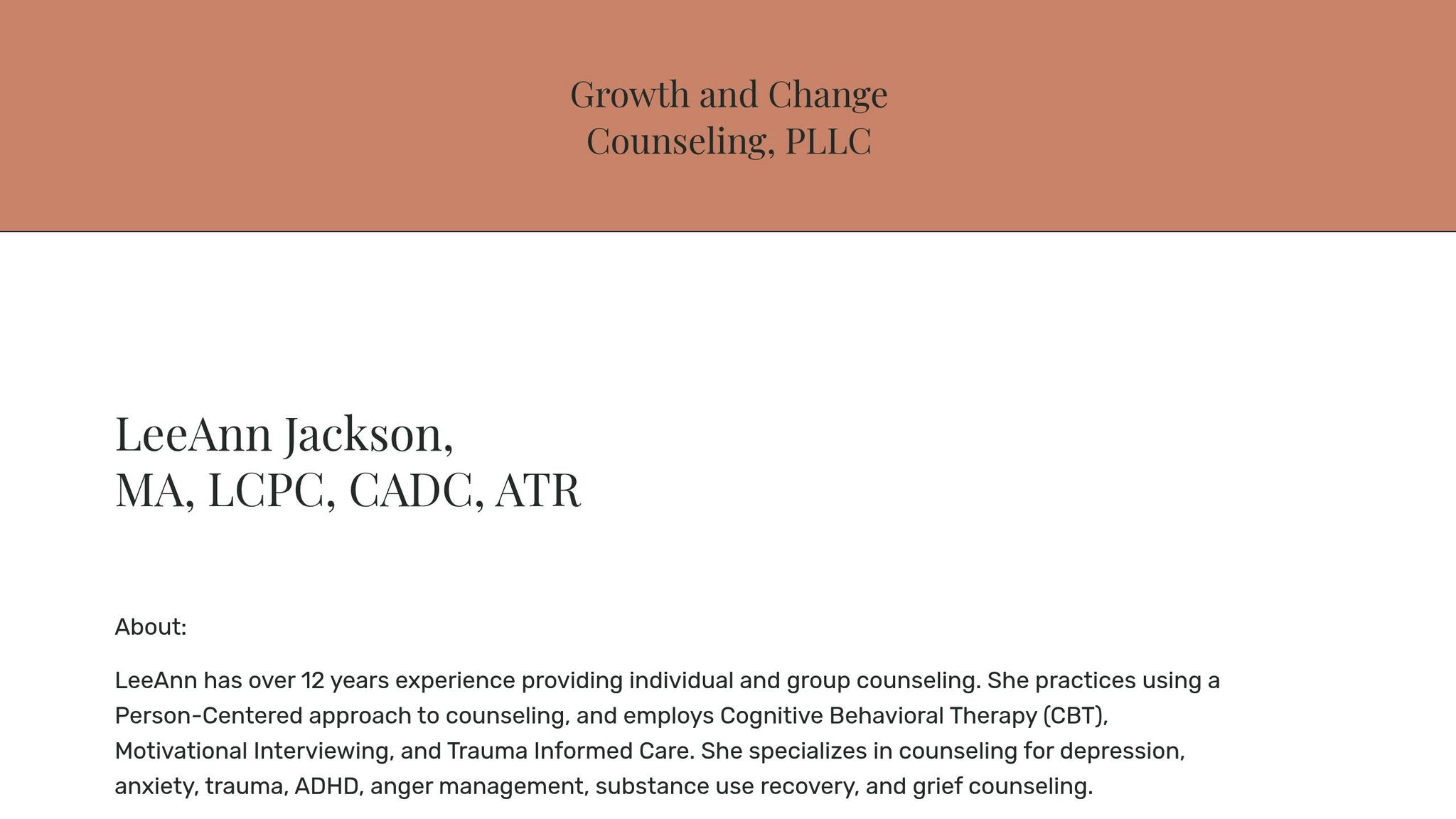
Growth and Change Counseling provides both individual and couples therapy. Individual therapy sessions are available with Licensed Marriage and Family Therapists for $200 per 45-minute session, or with Associate Marriage and Family Therapists for $150 per session. For those with financial constraints, sliding scale options start at $100+.
For couples facing serious challenges, the Marriage Rescue Institute offers a 12-week intensive marriage coaching program. This program takes a directive, solution-focused approach to help couples in crisis rebuild their relationships.
The practice also offers family therapy, parent coaching, and specialized treatments for issues like anxiety, depression, addiction, trauma, and neurodiverse relationships. Services are available in Campbell, San Jose, Los Angeles, and Roseville, California, as well as through telehealth for clients across the state.
Research shows that 90% of individuals report emotional health improvements after seeking relationship counseling [10]. This underscores the value of professional support for enhancing both personal well-being and relationship satisfaction.
Benefits and Challenges of Each Approach
Understanding the strengths and limitations of individual and couples therapy can help you decide which option best suits your needs, whether you’re addressing personal struggles or relationship challenges.
Advantages of Individual Therapy
One of the biggest perks of individual therapy is privacy and confidentiality. It gives you a safe space to discuss sensitive topics or past traumas without worrying about how your partner might react. This environment encourages honest self-reflection and deeper personal growth.
Another advantage is the personalized pacing. You can move through your healing process at a speed that feels right for you. Your therapist tailors their approach to fit your unique personality, learning style, and comfort level, ensuring the support feels relevant and manageable.
Individual therapy also sharpens self-awareness and strengthens coping skills. Whether you’re navigating anxiety, depression, addiction, or unresolved trauma, this one-on-one format provides focused attention to help you tackle these issues effectively. Plus, the personal growth you achieve can often lead to a positive ripple effect in your relationships.
Advantages of Couples Therapy
Couples therapy offers real-time communication practice, allowing you and your partner to work on improving how you interact with each other. Instead of rehashing past arguments, you can actively practice better communication techniques during the session, with immediate feedback from your therapist.
It also promotes joint problem-solving, encouraging both partners to tackle relationship challenges as a team rather than as adversaries. This collaborative effort builds teamwork and strengthens the bond between you and your partner.
Another key benefit is enhanced emotional connection. Couples therapy helps each partner better understand the other’s perspective and needs. With the therapist acting as a translator, miscommunications can be clarified, fostering empathy and deeper intimacy.
Couples therapy is particularly effective for rebuilding trust and addressing relationship issues like infidelity, financial disagreements, or parenting conflicts. These are areas that require both partners to be actively involved in the healing process.
An added bonus is the cost-efficiency. Since both partners attend the same session, it can save time and money compared to pursuing separate individual therapies.
Challenges to Consider
While both forms of therapy have their merits, they also come with challenges.
Individual therapy can sometimes lead to an overfocus on personal growth without considering how these changes might impact your relationship. This can create a temporary disconnect if your partner isn’t on a similar growth path. Additionally, insights gained in individual sessions may not always translate smoothly into relationship dynamics unless couples therapy is also incorporated.
Couples therapy, on the other hand, can be tricky if one partner is hesitant or resistant to participate. If someone feels defensive, blamed, or uncomfortable sharing openly in front of their partner, the therapy may lose its effectiveness. The vulnerability required to address deep-rooted issues can also feel intimidating for some couples.
In some cases, combining both approaches – individual and couples therapy – might be the best solution. However, this dual approach can raise concerns about time, cost, and coordination, especially if the therapists aren’t working together effectively.
Key Comparison of Both Approaches
Here’s a quick overview of how individual and couples therapy compare:
| Aspect | Individual Therapy | Couples Therapy |
|---|---|---|
| Best For | Personal mental health, trauma, addiction | Communication, trust issues, conflicts |
| Privacy Level | Complete confidentiality | Shared space with your partner |
| Cost | Focused on one person | Shared session costs |
| Time Investment | Flexible pacing | Requires coordination between partners |
| Main Challenge | May not address relationship dynamics | Needs both partners to actively engage |
| Typical Duration | Varies widely | Often shorter-term and goal-oriented |
Ultimately, there’s no one-size-fits-all answer. The best choice depends on your specific goals and the challenges you’re facing. In many cases, a combination of both therapies – either simultaneously or at different stages – can provide the most well-rounded support for personal and relational growth.
Conclusion: Choosing the Path to Growth and Healing
As we’ve explored the different therapy options in detail, here’s what you need to keep in mind as you decide your next step.
The choice between individual and couples therapy ultimately depends on your unique situation, personal goals, and what feels most comfortable for you. Both approaches offer specific benefits, as outlined throughout this article.
If you’re dealing with personal challenges – such as trauma, mental health struggles, or addiction recovery – individual therapy provides a private space to work through these issues, especially if confidentiality is a top priority or if your partner isn’t ready to engage. On the other hand, couples therapy is ideal for addressing relationship conflicts, improving communication, and rebuilding trust when both partners are willing to participate and grow together.
When addiction or family dynamics are involved, the decision becomes more nuanced. Individual therapy is often the right choice for delving into personal trauma or establishing independent recovery habits. In contrast, couples therapy is more effective when addiction has strained the relationship, and there’s a need to rebuild trust and open communication channels[2][1].
It’s also worth noting that these two approaches don’t have to be an either-or decision. Many couples find success by combining individual and couples therapy, either at the same time or in stages, to support both personal growth and healthier relationship dynamics.
At Growth and Change Counseling, you’ll find personalized sessions and intensive programs available in both in-person and telehealth formats throughout California.
The most important thing? Take that first step. Choose the therapy that feels right for where you are today.
FAQs
How can I decide if individual therapy or couples therapy is better for my situation?
To decide between individual therapy and couples therapy, start by pinpointing the main challenges you’re dealing with. Are your difficulties tied to personal emotions, behaviors, or past experiences? Or are they more about issues like communication, trust, or conflict within your relationship?
Consider what you hope to achieve through therapy. Are you looking to work on personal growth, strengthen your relationship, or perhaps both? If your concerns are mostly about your mental health, individual therapy might be the better option. On the other hand, if the struggles are centered around your relationship, couples therapy could be more effective. In some cases, combining both types of therapy can be beneficial. Taking time to reflect on these aspects can help you make the right choice.
Can I switch between individual therapy and couples therapy?
Yes, it’s entirely possible to move between individual therapy and couples therapy based on what you need at any given time. For example, starting with individual therapy can help you tackle personal challenges that might be impacting your relationship. On the other hand, couples therapy can work hand-in-hand with individual sessions to focus on your personal development while strengthening your relationship as a whole.
Both types of therapy are adaptable and can be adjusted to fit your unique circumstances. Whether you’re dealing with relationship struggles, mental health concerns, or recovery from addiction, combining or transitioning between these therapies can provide a more comprehensive approach to healing and self-improvement.
What should I do if my partner doesn’t want to try couples therapy, but I think it’s important for our relationship?
If your partner seems hesitant about couples therapy, begin by having an open and calm discussion about their concerns. Make sure to listen without judgment, giving them space to share their perspective. Then, explain why you think therapy could be helpful for your relationship. Emphasize that therapy offers a neutral and supportive environment to address challenges together – it’s not about pointing fingers or assigning blame.
If they’re still unsure, you might want to start with individual therapy. This can be a great way to explore your own emotions, work on communication skills, and gain a clearer understanding of your relationship’s dynamics. Personal growth can sometimes encourage your partner to rethink their stance on therapy. Plus, an individual therapist can offer guidance on how to approach these conversations and help your partner feel more comfortable about joining in the future.
Common Therapy Questions at Growth and Change Counseling
- Anxiety vs Depression: Key Differences Explained
- Relationship Compatibility Checker
- Anxiety Symptom Tracker
- What to Expect in Your First Therapy Session
