Healthy boundaries and codependency are two opposing dynamics that can shape a marriage. Boundaries allow couples to maintain individuality while building a strong connection. Codependency, on the other hand, blurs lines, leading to unhealthy patterns where one partner sacrifices their needs to manage the other’s emotions or actions.
Key differences:
- Boundaries: Encourage self-care, open communication, and mutual respect.
- Codependency: Involves over-functioning, guilt, and loss of independence.
Signs of healthy boundaries include saying "no" without guilt, maintaining personal interests, and resolving conflicts collaboratively. Codependency shows up as enmeshment, difficulty asserting needs, and taking excessive responsibility for a partner’s emotions. Recognizing these patterns is the first step toward creating balance and connection in your marriage.
For deeper issues, professional help can guide couples in breaking harmful cycles and building healthier dynamics.
A Better Us – Boundaries vs codependency in marriage
What Are Healthy Boundaries in Marriage?
Healthy boundaries in marriage define what behaviors are acceptable and help establish a sense of respect and safety between partners [3]. The University of Illinois Chicago’s Wellness Center explains that boundaries can be physical – like saying, "do not touch me" – or emotional, such as, "do not lie to me" [2]. These guidelines create a foundation for how couples interact and navigate their relationship.
At their heart, boundaries are a form of self-care. They honor your needs and feelings, ensuring you feel valued and secure. But boundaries aren’t about shutting your partner out; instead, they create a framework that allows both individuals to stay true to themselves while building a life together.
Some people mistakenly see boundaries as selfish or inflexible. In reality, they reduce stress and prevent resentment by ensuring you don’t constantly sacrifice your own needs [2]. By setting boundaries, you also show respect for your partner, fostering a healthier dynamic.
Interestingly, boundaries are often learned behaviors, shaped by what we observed growing up [3]. If your family didn’t model clear or respectful boundaries, it might feel challenging to set them as an adult. However, these skills can be developed at any stage of life [3].
What Healthy Boundaries Look Like
One key sign of healthy boundaries is the ability to say "no" without guilt [3]. This prevents the resentment that builds when you agree to things that go against your values or needs. Whether it’s deciding how to spend your weekend, managing finances, or dealing with extended family, being able to decline helps protect your individuality.
Mutual respect is another pillar of healthy boundaries. This means appreciating your partner’s differences and limits without trying to change them [4]. For example, one partner might enjoy quiet evenings at home, while the other thrives in social settings. Healthy boundaries allow both preferences to coexist, with compromises that work for both.
Couples with solid boundaries maintain their individuality while sharing their lives. They nurture their own friendships and pursue personal interests outside the marriage, ensuring their identities don’t completely merge [4].
Clear communication is also essential. In marriages with healthy boundaries, partners can openly discuss tough topics without fearing it will harm the relationship [2]. This openness makes it easier to express disagreements or share uncomfortable emotions.
Taking responsibility for your emotions is another hallmark of healthy boundaries. When something upsets you, it’s about managing your feelings rather than blaming your spouse [3]. Recognizing that you control your responses helps maintain balance in the relationship.
Healthy boundaries also involve knowing when to stand firm and when to compromise. Understanding which values are non-negotiable and which can be adjusted prevents rigidity while ensuring you don’t lose yourself entirely [3]. This balance creates a strong foundation for mutual respect and understanding.
How Healthy Boundaries Strengthen Marriage
When both partners establish and respect boundaries, the marriage becomes stronger and more secure. Trust deepens because each person knows their limits will be respected, creating an environment where vulnerability and emotional intimacy thrive [2]. This balance helps avoid situations where one partner’s needs are consistently overlooked.
Boundaries also help prevent common relationship issues. By setting clear expectations, couples can avoid burnout, chronic stress, and the emotional or financial strain that comes from unclear roles and responsibilities [2]. When you’re not overburdened or taking on tasks that belong to your partner, you can redirect that energy into nurturing the relationship.
A marriage with healthy boundaries feels balanced and connected. Both partners contribute equally to the relationship, making decisions together and valuing each other’s input. Neither person tries to control or manage the other’s emotions or choices, which can otherwise lead to tension and exhaustion.
Setting boundaries also supports personal growth. Learning to maintain your own limits is key to developing as an individual [3]. By preserving your values, goals, and interests outside the relationship, you continue to grow, which ultimately strengthens the partnership. Each person brings their full, independent self, enriching the marriage.
Honoring your needs and limits also boosts self-esteem. Each time you set a boundary, you reinforce your own worth [3]. This belief in your value fosters mutual respect, creating a positive cycle that benefits both you and your relationship.
Finally, healthy boundaries pave the way for genuine intimacy. When both partners feel safe expressing their true feelings and needs without fear of judgment or retaliation, emotional closeness grows naturally. Trust and mutual respect create a space where vulnerability is met with care, transforming the marriage into a partnership built on authentic connection and support.
What Is Codependency in Marriage?
Codependency in marriage happens when one partner takes on the responsibility of managing the other’s emotional and practical needs, often at the expense of their own. This dynamic blurs boundaries and minimizes personal accountability, creating an imbalance in the relationship.
Instead of fostering healthy closeness, codependency can lead to enmeshment, where individual identities are overshadowed, and personal growth gets stifled. While caregiving is a natural part of any relationship, codependency crosses the line when one partner habitually sacrifices their own well-being to manage or "fix" the other’s life.
This pattern often traces back to early family dynamics. In some families, individuality may be undervalued, teaching children that their needs and feelings come second. Experiences of trauma or toxic shame can further disrupt the ability to set healthy boundaries, and these learned behaviors often carry over into adult relationships, shaping how partners interact.
Common Signs of Codependency
Codependency reveals itself through specific behaviors, including:
- Constantly worrying about and trying to control a spouse’s choices, under the guise of care.
- Ignoring personal needs to avoid conflict, which can lead to lingering resentment.
- Focusing more on a partner’s emotional state than on your own, while struggling to express your feelings.
- Feeling unable to say "no" to requests, even when they compromise your well-being.
- Enabling harmful behaviors by covering for a partner or softening the consequences of their actions.
- Depending on a partner’s approval to make decisions, which undermines your own independence.
- Battling conflicting emotions, such as guilt for setting boundaries and resentment for not doing so.
- Accepting mistreatment or exploitation out of fear of upsetting the relationship.
If these behaviors go unchecked, they can deeply affect the health of the marriage.
The Effects of Codependency on Marriage
Codependency doesn’t just strain the caregiving partner – it impacts both individuals in the relationship. The partner who takes on the caretaker role may experience burnout, anxiety, and chronic stress from constantly putting their own needs last. Over time, this can erode their self-esteem and hinder personal development. Meanwhile, the other partner may become overly dependent, limiting their own resilience and ability to grow.
This dynamic can worsen over time, leading to communication breakdowns and emotional distance. Financial and emotional strains often follow, as enabling behaviors can result in poor decisions and an uneven distribution of responsibilities. Left unaddressed, these patterns can make the relationship increasingly unhealthy, potentially causing emotional or even physical harm to one or both partners.
Healthy Boundaries vs. Codependency: Key Differences
It’s not always easy to tell where caring for your partner ends and losing yourself in the relationship begins. But understanding the difference between healthy boundaries and codependency can help you identify patterns that might be undermining your marriage.
Healthy boundaries create space for both independence and connection, allowing partners to make their own decisions and pursue their own interests while maintaining a strong bond. Codependency, on the other hand, flips this balance. It often involves taking on responsibility for your partner’s well-being, which can prevent them from developing their own sense of accountability and autonomy [2]. This dynamic can lead to one partner essentially managing the other’s life, making it difficult for either person to maintain their independence.
How couples handle emotions is another key distinction. In a healthy relationship, partners offer empathy and support without feeling obligated to fix each other’s emotions. For example, if your spouse is upset, you can be there for them without taking on the responsibility of making them feel better. Similarly, when disagreements happen, both people take ownership of their role in the conflict and work toward resolution without one person shouldering all the blame.
In contrast, codependent relationships often involve one partner constantly trying to manage the other’s emotional state – cheering them up, smoothing over their bad moods, or taking on their stress. Over time, this imbalance can leave the codependent partner feeling drained and resentful as their own emotional needs are neglected.
Communication patterns also highlight the differences. Healthy relationships thrive on honest conversations where both partners feel free to express themselves, even when they disagree. They respect each other’s individuality and can say "no" without guilt. In codependent relationships, communication tends to revolve around avoiding conflict or upsetting the other person. Saying "no" might feel impossible, and setting boundaries often triggers guilt or fear of being seen as selfish. This can lead to bottled-up resentment and a sense of losing one’s voice [3].
Power dynamics further set these relationship styles apart. In a healthy marriage, both partners respect each other’s feelings, beliefs, and limits without trying to control one another. Conflicts are resolved through fair compromises that honor the needs of both people. In a codependent relationship, however, one partner often relies heavily on the other for emotional support, creating an imbalance. This can lead to enabling behaviors, where one partner shields the other from the consequences of their actions, reinforcing unhealthy patterns.
Perhaps the clearest distinction is the impact on self-worth. When boundaries are healthy, partners maintain a strong sense of self and create an environment where both feel valued and respected. They don’t question their inherent worth or wonder if they deserve respect. But in relationships with unclear boundaries, self-worth can erode. One partner may begin to doubt their right to respect and validation, leaving them feeling lost and overly dependent on the other [2].
Comparison Table: Boundaries vs. Codependency
| Aspect | Healthy Boundaries | Codependency |
|---|---|---|
| Autonomy | Partners maintain their own identity and independence while staying connected. | Identities blur, creating an unhealthy merging of the two partners. |
| Emotional Responsibility | Each person owns their feelings, triggers, and actions. | One partner takes on responsibility for the other’s emotions. |
| Decision-Making | Decisions are made independently, free from fear of rejection. | Decisions often aim to seek approval, sacrificing independence. |
| Communication | Honest and open, with the ability to say "no" without guilt. | Marked by guilt, difficulty saying "no", and one partner dictating behavior. |
| Personal Values | Differences and limits are respected; identities are preserved. | One partner’s needs often overshadow personal values and beliefs. |
| Self-Worth | Boundaries reinforce self-esteem and a strong sense of identity. | Unclear boundaries lead to self-doubt and diminished self-worth. |
| Conflict Resolution | Conflicts are addressed collaboratively, preserving the relationship’s foundation. | Resentment and unresolved feelings often build due to a lack of boundaries. |
| Personal Growth | Encourages individual development and separate interests. | Stifles growth by merging identities. |
| Power Dynamics | Compromises honor both partners’ needs without control. | Imbalances often lead to enabling or dominance. |
| Relationship Feel | Balanced, with mutual support and respect. | One-sided, leaving one partner exhausted and resentful. |
Recognizing these distinctions is a powerful step toward creating a healthier and more balanced relationship. The encouraging news? Boundaries can be learned, and unhealthy patterns can be replaced with ones that nurture both individuality and connection.
How to Recognize Healthy Boundaries in Your Marriage
Recognizing healthy boundaries in a marriage isn’t about following a checklist – it’s about observing how you and your partner interact daily. When boundaries are in place, the relationship feels balanced. Both partners maintain their individuality while staying emotionally connected.
One key sign is the ability to say "no" without guilt or fear. Whether it’s about needing personal time or setting limits, both partners feel comfortable asserting themselves.
Emotional safety is another indicator. When boundaries are clear, you can express thoughts and feelings openly, without worrying about judgment or conflict. You don’t have to tiptoe around sensitive topics – being your authentic self, even when sharing vulnerabilities or disagreements, doesn’t threaten the relationship.
Take note of how emotions are handled. In a healthy marriage, you support your partner when they’re upset, but you don’t feel obligated to "fix" their feelings. Even during tough times, both partners trust each other to manage their emotions, fostering personal growth and mutual support.
Healthy boundaries also protect individuality. You can pursue your own interests, friendships, and goals while encouraging your partner to do the same. This balance strengthens the relationship by allowing each person to thrive independently.
Another hallmark is a fair give-and-take. Reflect on whether the support in your marriage feels mutual. In a balanced relationship, both partners contribute emotionally, practically, and relationally, ensuring each person’s needs are valued.
Communication is equally important. As Growth and Change Counseling explains:
"Conflict is a pathway to intimacy. If there’s no conflict in a relationship, at least one person isn’t being genuine" [1].
Time together should leave you feeling refreshed, not drained. Clear boundaries prevent emotional exhaustion and constant self-sacrifice.
Mutual respect is the foundation of healthy boundaries. This means honoring each other’s differences and limits without trying to control or change one another. Each partner’s worth is recognized for who they are, not just for what they provide. These everyday interactions create a foundation for healthy boundaries in action.
Examples of Healthy Boundaries in Action
Healthy boundaries show up in the small, everyday choices and interactions. Here are some examples:
- Respecting personal time and space: One partner might spend Saturday morning at the gym or meet friends, while the other offers support and trusts that maintaining connections outside the marriage is healthy.
- Managing conflicts constructively: Disagreements don’t turn into blame games. For instance, if discussing household chores, one might say, "I know I’ve been leaving dishes in the sink, and I can see how that frustrates you. Let’s talk about how we can divide tasks more evenly." This approach acknowledges responsibility while addressing personal needs.
- Supporting each other’s goals: When one spouse decides to return to school or change careers, a supportive partner might say, "I’m excited for you. Let’s figure out how to adjust our schedule and budget to make this work." This prioritizes personal growth while keeping the partnership strong.
- Expressing limits lovingly: Saying something like, "I love you, and here’s what I can offer" [6], ensures you don’t overextend yourself, preventing resentment.
- Allowing natural consequences: If your partner forgets an appointment because they didn’t use a shared calendar, let them handle the outcome. This avoids enabling and encourages learning from mistakes.
- Balancing emotional intimacy with independence: Share parts of your day with each other, but feel comfortable keeping some experiences or thoughts private. This creates closeness without losing individuality.
Take a moment to reflect: Can you set boundaries without guilt or fear? Do you maintain your identity, or do you feel like you’ve lost yourself? Is your relationship truly mutual, with both partners able to express needs openly and respect personal space? These questions can help you determine whether your marriage leans toward healthy interdependence or codependency. And remember, boundaries aren’t fixed – they’re skills you can develop and refine over time.
sbb-itb-596b85d
Red Flags of Codependency in Your Marriage
Codependency can blur the lines between partners, erasing individual identities and disrupting mutual respect. Unlike relationships with healthy boundaries, codependent dynamics often compromise individuality. Here are some warning signs to watch out for:
Enmeshment
Enmeshment happens when personal boundaries disappear, and you begin prioritizing your partner’s needs at the expense of your own identity. This might mean giving up your career goals, friendships, or hobbies to focus entirely on your partner. Losing sight of your preferences and feeling overly responsible for their emotions are key indicators of enmeshment [4].
Difficulty Saying "No"
If you find it hard to refuse requests or assert your own needs, this could point to a deeper issue of codependency. This pattern often stems from a belief that you don’t have the right to set boundaries. Over time, constantly putting your partner’s desires ahead of your own can lead to resentment and chronic stress, which may take a toll on your emotional and physical well-being [2][3].
Taking Responsibility for Your Partner
Feeling like you need to handle your partner’s emotions, decisions, or even daily tasks – like managing their schedule or finances – is another red flag. This urge to "rescue" them from the consequences of their own actions can stifle their autonomy and create an unsustainable dynamic. Over time, this imbalance often leads to frustration and resentment [2].
Loss of Independence and Individuality
When your life starts revolving solely around your partner, it’s easy to lose your sense of self. Signs include giving up your own interests, distancing yourself from friends, or feeling anxious when apart from your partner. Structuring your entire life around their needs is a clear indication that your individuality is being overshadowed [4].
Reciprocal Boundary Violations
In codependent relationships, personal boundaries often dissolve on both sides. For example, you might invade your partner’s privacy – like checking their messages or trying to control their decisions – under the pretense of care. This mutual disregard for boundaries reflects an unhealthy dynamic where respect for personal space is lacking [3].
Resurfacing Childhood Patterns
Family dynamics from your past can resurface in a codependent relationship. If you grew up in an environment marked by trauma or toxic shame, you may struggle to identify and express your own needs. This can leave you feeling unsure about your emotions and self-worth, reinforcing unhealthy patterns [3].
Over-Functioning Behaviors
Taking on responsibilities that should belong to your partner can upset the balance in your relationship. Constantly monitoring their mood or trying to anticipate and prevent their discomfort are examples of over-functioning. This behavior not only adds stress to your life but also prevents a healthy equilibrium from developing [8].
Establishing clear boundaries is crucial for preserving your self-worth and maintaining a balanced, healthy relationship.
How Boundaries Create Healthy Interdependence
Clear boundaries are essential for creating a balanced and healthy partnership. When you establish boundaries in your marriage, you’re not putting up walls – you’re building a framework that allows both partners to remain individual while staying connected [5]. This framework is what separates a healthy relationship from a codependent one.
Think of boundaries as creating space for two complete individuals who actively choose to be together. By setting limits that reflect your true emotional and physical capacity, you can support your partner’s growth without losing your own sense of self [5]. This balance helps avoid the blurred lines and enmeshment often seen in codependent relationships, where personal identities can become indistinct [4].
Boundaries also define what behaviors are acceptable [2]. They act as guidelines that prevent emotional burnout. When partners respect each other’s boundaries, it creates an environment where both individuals feel valued, cared for, and supported [5].
Empathy, when combined with clear boundaries, forms the basis of a strong connection [6]. Offering emotional support doesn’t mean taking on the responsibility of "fixing" your partner’s feelings [7]. By clearly communicating your limits and capacity, you can both meet your own emotional needs while remaining supportive of one another. This kind of transparency strengthens the relationship and helps prevent resentment when expectations exceed what feels manageable [6].
Clear boundaries also bring practical benefits, such as reducing financial and emotional strain, which are common in codependent dynamics [2]. When both partners maintain their independence while staying emotionally connected, they often experience better mental health and greater relationship security. This mutual respect fosters a deeper sense of trust and stability [5].
Finding the Balance Between Independence and Connection
Achieving healthy interdependence means recognizing that strong personal boundaries enhance both the authenticity and functionality of your relationship [6]. Maintaining your own interests, friendships, and sense of self outside the marriage ensures that you bring your full, genuine self into the partnership.
Couples who shift from codependency to interdependence often report feeling more intentional about how they support themselves and each other [2]. This shift happens when both partners understand that excessive control or self-sacrifice – whether it’s over-worrying about each other or neglecting personal needs – only leads to resentment and weakens the foundation of love.
The key to this balance lies in mutual respect. Honoring each other’s differences, opinions, and boundaries – and accepting your partner as they are without trying to change them – creates a safe space for both individuals to assert their needs and maintain their individuality [4,5]. Without respect, attempts to control or manipulate can erode the trust and independence that interdependence relies on.
Effective communication is just as important. Clearly expressing your needs and emotions, while also practicing active listening, ensures that both partners feel understood [4]. When setting boundaries, focus on sharing your own feelings rather than placing blame. For instance, instead of saying, "You always make me feel bad", you might say, "I need some time to process my feelings before we talk about this" [2].
Healthy interdependence also requires thoughtful and open dialogue. Being able to discuss issues without fear of judgment or conflict strengthens the relationship [2]. In fact, conflicts that arise from honest expression – when handled with care – can lead to deeper intimacy [1]. On the other hand, a complete lack of conflict might signal that one partner isn’t being fully authentic.
Creating a safe space in your marriage allows both of you to be your true selves, share struggles, and embrace vulnerability. This openness fosters a stronger emotional connection, as both partners support one another while maintaining their individuality [1]. By protecting your identity with clear boundaries, you not only preserve your personal strengths but also bring more value to the relationship. Together, two whole individuals can build a life that celebrates both unity and independence.
This understanding lays the groundwork for exploring how to set and maintain boundaries effectively in marriage.
How to Set and Maintain Boundaries in Your Marriage
Establishing boundaries in marriage isn’t a one-and-done conversation – it’s an ongoing process that requires thoughtfulness, clarity, and consistency. Many couples struggle to express their needs without feeling guilty, but the truth is, boundary-setting is a skill you can develop. And with practice, it becomes more natural.
The key to setting boundaries is understanding that they’re not about controlling or changing your partner. Instead, they’re about clearly communicating what you need to feel secure, respected, and valued in the relationship. This approach shifts the focus from conflict to collaboration, fostering the kind of teamwork that strengthens your marriage.
Before discussing boundaries with your partner, take some time to reflect on your needs. What behaviors are causing discomfort? What do you need to feel emotionally and physically balanced? Being clear about these questions will help you communicate effectively.
How to Communicate Boundaries Clearly
When you’re ready to talk, how you frame the conversation can make all the difference. It’s important to express your needs respectfully and avoid accusations or complaints. Focus on how specific behaviors impact you and what changes you need moving forward.
Using “I” statements can help you express your feelings without placing blame. For instance, instead of saying, “You always criticize my family,” try, “I feel hurt when my family is criticized, and I’d like us to talk about families in a more respectful way.” This shifts the focus to your feelings rather than pointing fingers.
Active listening is just as important as expressing your needs. Pay full attention to what your partner is saying, try to understand their perspective, and respond thoughtfully. When both partners feel heard, it creates a safe space for open communication.
Frame boundaries as a way to strengthen your connection, not as a threat. For example, you might say, “I’m setting this boundary because I care about our relationship and want us to thrive.” This helps your partner see boundaries as a positive step rather than a restriction.
Be specific about what you’re asking for. Vague boundaries can lead to misunderstandings. For example, instead of saying, “I need more space,” clarify with, “I need 30 minutes to myself after work to decompress before we talk about our day.” Clear and concrete requests are easier to understand and respect.
The language you use also matters. Phrasing your needs with statements like, “This is important to me, and I’d like us to work on it together,” or “I care about us, which is why I’m being honest about what I need,” can help your message come across as firm but respectful. This shows that you’re prioritizing both your needs and the health of the relationship.
Setting boundaries is about defining what is and isn’t acceptable while honoring your own needs. Suppressing those needs only undermines trust and respect. By being upfront, you demonstrate respect for both yourself and your partner.
Once you’ve communicated your needs, be prepared to handle any resistance constructively.
Dealing with Resistance and Guilt
It’s normal to encounter some resistance when introducing new boundaries, especially if your relationship has operated without clear ones in the past. Your partner might feel confused, defensive, or even resistant at first as they adjust to this new dynamic.
When faced with pushback, it’s crucial to stay calm and consistent. Don’t backtrack on boundaries that are essential to your well-being, health, or safety. Change takes time, and your partner may not immediately understand why these boundaries are necessary, especially if they’re used to old habits. Focus on staying committed to your boundaries and managing your own reactions.
If resistance continues, consider seeking the help of a therapist or counselor. A professional can mediate the conversation and provide tools to help both partners communicate more effectively. This can be especially helpful if unhealthy patterns are deeply rooted.
Guilt is another common challenge when setting boundaries. Many people grow up associating boundaries with selfishness, especially in families where personal needs were ignored. It’s important to recognize that this guilt is learned – it’s not reality. Setting boundaries isn’t selfish; it’s an honest way of expressing your needs. Reframe boundary-setting as an act of care and respect for both yourself and your partner. Giving in to guilt and controlling your partner only damages mutual respect.
Boundaries also help reduce stress, anxiety, and emotional strain. While setting them may feel uncomfortable at first, the discomfort usually fades with practice. Over time, you’ll notice positive changes in your relationship as your partner adjusts and realizes that boundaries actually strengthen your connection.
It’s also essential to distinguish between healthy compromise and unhealthy sacrifice. Healthy compromise allows for flexibility on less critical issues while maintaining firm boundaries on matters that affect your well-being. For instance, you might adjust social plans but hold firm on boundaries that protect your mental health. Unhealthy sacrifice, on the other hand, occurs when you constantly put your partner’s needs above your own, leading to resentment and a loss of self.
Before making a compromise, ask yourself if it truly respects your needs and values. Make sure any adjustments feel fair and sustainable for both of you. Maintaining boundaries requires consistency: communicate them regularly, address any breaches promptly, and manage your own triggers in a healthy way. Journaling or keeping track of boundary violations can help you identify patterns and stay on course.
If these efforts don’t lead to progress, professional guidance can provide additional tools and support. The next section will dive into when and how professional intervention can help with boundary-setting.
When to Seek Professional Help for Codependency and Boundary Issues
Sometimes, no matter how hard you try, breaking out of recurring patterns or setting healthy boundaries feels impossible. That’s when seeking professional help becomes crucial. It’s not a sign of failure – it’s a step toward clarity and healing. Unfortunately, many couples delay this decision, hoping things will improve on their own, only to find themselves in deeper conflict.
If saying "no" fills you with overwhelming guilt or if you find yourself constantly agreeing to things that leave you drained, it could point to deeper issues. This isn’t just about communication – it’s often tied to underlying emotional patterns. Similarly, if you’re harboring ongoing resentment because your needs aren’t being met, it’s a sign of imbalance that might require outside guidance.
Frequent, unresolved arguments and constant tension are also red flags. If you or your partner feel forced to compromise core values just to keep the peace, or one person’s needs always seem to take precedence, the relationship may need more than just time to heal. These aren’t typical challenges – they’re signs that professional intervention might be necessary.
Emotional and physical symptoms can also signal that things are out of balance. Increased anxiety, depression, or turning to unhealthy coping mechanisms are serious indicators. Physical signs like burnout, chronic stress, or exhaustion show the toll unresolved codependency can have on your overall well-being.
Major issues such as infidelity, addiction, abuse, or uncontrolled anger rarely resolve without expert help. If your relationship has hit a critical point – whether you’re contemplating divorce, living apart, or dealing with a major crisis – professional support can be the key to finding a path forward. A focused, therapeutic approach might provide the tools your relationship needs to heal.
How Growth and Change Counseling Can Help
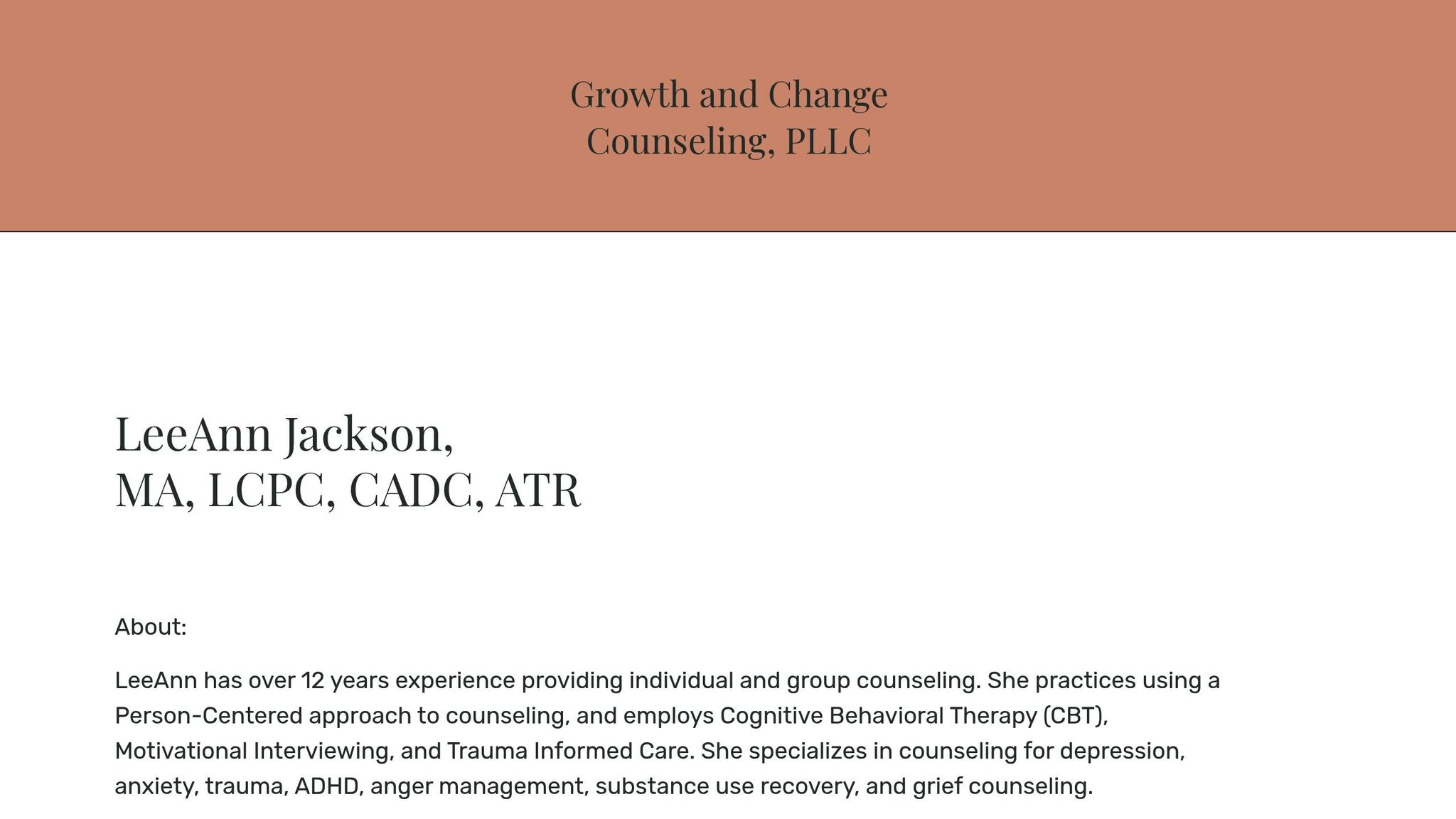
Addressing codependency and boundary issues often requires targeted professional support that considers both individual behaviors and relationship dynamics. Growth and Change Counseling offers a comprehensive approach to help couples and individuals navigate these challenges.
For couples in crisis – whether facing separation, divorce, or significant relational challenges – the Marriage Rescue Institute provides an intensive, structured 12-week coaching program. This tailored process is designed specifically to help rebuild struggling marriages and guide couples through critical moments.
Growth and Change Counseling also provides individual therapy to help each partner identify personal patterns, build self-esteem, and develop the tools needed to set clear boundaries. These individual breakthroughs are then applied in couples counseling, where partners work together to build relational skills and strengthen their connection.
Therapy sessions include skill-building exercises and practical tools that can be integrated into everyday life, ensuring the progress made in therapy leads to lasting change. The practice also addresses issues like anxiety, depression, addiction, trauma, and anger management, and offers family therapy and parent coaching.
Services are available in Campbell, CA; San Jose, CA; Los Angeles, CA; and Roseville, CA, with telehealth options for clients across California. Sessions start at $100, with pricing dependent on the therapist’s credentials and session length. For the Marriage Rescue Institute, custom pricing is discussed during an initial strategy session tailored to your unique situation.
Taking the step to seek professional help could be the turning point your relationship needs.
Conclusion
Grasping the difference between healthy boundaries and codependency lays the groundwork for a marriage that thrives. Boundaries aren’t about shutting each other out – they’re about creating guidelines that encourage personal growth while keeping emotional connections strong. They allow both partners the freedom to grow as individuals while maintaining a secure and loving bond.
Codependency, on the other hand, can disguise itself as devotion but slowly chips away at personal independence. When one partner takes on full responsibility for the other, it stifles growth and resilience. Over time, love can start to feel like an overwhelming burden, leading to resentment and exhaustion for both people involved.
Here’s the hopeful part: change is absolutely possible. Recognizing unhealthy patterns is the first step toward transformation. Shifting from codependency to healthier boundaries requires self-awareness, honest communication, and often, the guidance of couples therapy. With both partners committed to this process, it’s possible to rebuild the relationship in a way that honors each person’s individuality while strengthening the connection between them.
Ask yourself: Can you say “no” without feeling guilty? Do you find yourself taking on too much responsibility for your partner? Are you compromising your own values just to keep the peace? These questions can help pinpoint where boundaries might need some work. Start small – share your preferences, politely decline a request without over-explaining, or simply validate your own feelings.
If you see clear signs of codependency in your marriage, seeking professional help isn’t a sign of failure – it’s an act of fighting for your relationship in a meaningful way. Growth and Change Counseling offers support through individual therapy, couples counseling, and the Marriage Rescue Institute’s focused 12-week program for couples in crisis. These tools can help you break harmful patterns, develop new skills, and rebuild a connection worth cherishing.
A fulfilling marriage can balance deep connection with individual freedom – that’s the promise of healthy boundaries.
Moving Forward with Growth and Change Counseling
How can I begin setting healthy boundaries in my marriage if this is new to me?
Setting boundaries in your marriage can feel a bit daunting at first, but it’s a crucial step toward creating a healthier, more balanced partnership. Begin by taking some time to pinpoint your own needs, values, and limits. Think about situations where you’ve felt stretched too thin, overlooked, or uneasy, and consider how you can share these feelings with your spouse.
When you’re ready to have the conversation, approach it with both kindness and clarity. Use "I" statements to express how you feel without assigning blame. For instance, you could say, "I feel really drained when I don’t have time to unwind after work. Can we plan for some quiet time together in the evenings?"
The goal of setting boundaries isn’t to create space between you and your partner – it’s about fostering respect and understanding on both sides. If you’re feeling stuck or unsure how to begin, seeking professional help can make a difference. Growth and Change Counseling offers support through The Marriage Rescue Institute, a structured 12-week program aimed at helping couples reconnect and strengthen their bond.
How can I move from a codependent relationship to one with healthy boundaries in my marriage?
Shifting from codependency to building healthier boundaries in your marriage begins with self-awareness and honest communication. Start by recognizing areas where you might lean too heavily on your partner for emotional support or decision-making. Take time to reflect on your personal needs and values, and practice communicating them in a way that’s respectful and clear.
Focus on establishing boundaries that encourage mutual respect and personal growth. This could mean setting aside time for yourself, balancing responsibilities more fairly, or agreeing on constructive ways to handle disagreements. Boundaries aren’t about creating distance – they’re about creating space for a stronger, healthier connection.
If navigating these changes feels overwhelming, reaching out for professional guidance can make a big difference. Growth and Change Counseling, through The Marriage Rescue Institute, offers specialized couples counseling to help partners rebuild and strengthen their relationships. Whether through therapy or coaching, taking these steps can lead to a more balanced and rewarding marriage.
How can I tell if I need professional help for boundary or codependency issues in my marriage?
If you’re experiencing repeated struggles like unhealthy dependence, trouble with boundaries, or emotional stress in your marriage, it might be a good moment to consider professional help. These issues can disrupt the balance of your relationship and take a toll on your overall well-being.
At Growth and Change Counseling, we’re here to help couples work through these challenges with targeted, solutions-focused therapy. Our aim is to guide you and your partner toward rebuilding healthy dynamics and creating a stronger, more rewarding connection.
Related Blog Posts
- Addiction Recovery and Marriage Communication
- Trust-Building Exercises for Couples in Recovery
- Boundaries for Addiction Recovery and Healthy Love
- 7 Boundaries for Intimacy After Sexual Addiction
