When Borderline Personality Disorder (BPD) and Autism Spectrum Disorder (ASD) intersect in relationships, challenges often arise due to differences in emotional regulation, communication, and social needs. BPD involves intense emotional reactions, fear of abandonment, and relationship instability, while ASD is marked by social communication challenges, sensory sensitivities, and a preference for routine. These differences can lead to misunderstandings, emotional distress, and conflict.
Key points to understand:
- Emotional Triggers: BPD partners may react strongly to perceived rejection, while ASD partners may struggle with sensory overload or social cues.
- Communication Gaps: BPD partners often express emotions vividly, whereas ASD partners may struggle to verbalize feelings or misinterpret emotional cues.
- Attachment Styles: BPD partners often crave reassurance, while ASD partners may need space, leading to cycles of pursuit and withdrawal.
Quick Overview of Strategies:
- Structured Communication: Use clear, direct language and schedule regular check-ins.
- Emotional Regulation: BPD partners can benefit from Dialectical Behavior Therapy (DBT), while ASD partners may need sensory management techniques.
- Boundaries and Predictability: Establish clear routines and agreements to reduce misunderstandings.
Specialized counseling tailored to these dynamics can help couples navigate these challenges, improve trust, and create a more balanced relationship.
The Truth About Autism and BPD: What You Need to Know
Understanding BPD and Autism in Relationships
Grasping how Borderline Personality Disorder (BPD) and Autism Spectrum Disorder (ASD) influence relationships means recognizing the unique traits of each condition and where they overlap. Below, we explore the distinct pressures each brings and how their interaction can create complex dynamics in romantic relationships.
Key Traits of Borderline Personality Disorder
The DSM-5 outlines several traits of BPD that heavily impact romantic relationships. A profound fear of abandonment is central, often leading to desperate attempts to avoid being left – even when the threat is imagined.
Partners may experience "splitting", where someone with BPD alternates between seeing their partner as perfect and then feeling deeply hurt by them. This isn’t manipulation; it’s a genuine and overwhelming shift in perception that makes attachments unstable.
Emotional reactions in BPD often stem from perceived rejection or instability. When these fears arise, they can trigger intense panic about abandonment, leading to behaviors aimed at keeping their partner close.
Despite these challenges, individuals with BPD typically retain strong cognitive and emotional empathy when not in distress. They can understand their partner’s feelings and read social cues, though impulsive actions during emotional episodes may later lead to regret. Another key aspect is a disrupted sense of self, which can affect personal values, goals, and identity – adding another layer of complexity to relationships.
Core Features of Autism Spectrum Disorder
In contrast, ASD often affects relationships through social communication challenges and sensory sensitivities. While BPD is marked by emotional intensity, autistic individuals may struggle with understanding the unspoken rules of social interaction.
In romantic settings, this can manifest as difficulty interpreting social cues or knowing when and how to express affection. It’s not about a lack of care but rather a lack of intuitive understanding of these unwritten norms.
Sensory sensitivities can also play a significant role. Overwhelming environments may lead to meltdowns, which are reactions to sensory overload rather than relationship fears.
Many autistic individuals experience alexithymia, which makes identifying and describing emotions difficult. While someone with BPD might articulate their feelings vividly, an autistic partner might find it hard to put their emotions into words.
Regarding empathy, autism often involves challenges with cognitive empathy – understanding another person’s perspective – while emotional empathy can remain strong. Autistic individuals may also form deep, focused connections, sometimes treating their partner as a "special interest." This intense focus can lead to high expectations of loyalty, and unmet expectations may result in frustration due to rigid thinking rather than emotional volatility.
Recognizing Co-Occurring Conditions
When BPD and ASD occur together, the combination of emotional instability and social communication difficulties creates unique challenges. Research shows that BPD co-occurs with ASD more often than in the general population, further complicating relationships.
Studies have found that individuals with BPD who also exhibit autistic traits are more likely to report interpersonal trauma. Struggles with social cues and understanding others’ intentions, combined with fears of abandonment and emotional reactivity, can heighten vulnerability in relationships.
To clarify these distinctions, the table below highlights how BPD and ASD differ and where their challenges overlap in relationships:
| Aspect | Borderline Personality Disorder | Autism Spectrum Disorder |
|---|---|---|
| Primary Challenge | Emotional instability and fear of abandonment | Difficulties with social communication and sensory processing |
| Empathy Pattern | Intact cognitive and emotional empathy, except during distress | Cognitive empathy challenges but strong emotional empathy |
| Emotional Expression | Can articulate feelings in detail | May struggle to verbalize emotions (alexithymia) |
| Relationship Pattern | Intense and unstable, marked by idealization and devaluation | Difficulty interpreting reciprocity and social expectations |
| Trigger for Distress | Interpersonal stress and perceived rejection | Sensory overload, routine changes, and social confusion |
| Attachment Style | Often anxious or preoccupied | More commonly avoidant |
Overlapping symptoms, such as struggles with emotion regulation and social interaction, can lead to misdiagnosis. Both conditions may involve chronic feelings of emptiness, though for different reasons: BPD often stems from an unstable self-image, while autistic individuals may feel this way due to the exhaustion of masking their true selves.
Misdiagnosis has real consequences. Someone treated only for BPD may receive therapy focused on emotional regulation, missing support for social communication or sensory sensitivities. On the other hand, focusing solely on autism might overlook the intense emotional reactivity and abandonment fears tied to BPD.
Proper diagnosis requires a professional familiar with both conditions. Identifying whether social challenges stem from attachment fears or difficulties with social communication – and whether emotional dysregulation arises from relational triggers or sensory overwhelm – can help couples access the most effective support and treatment options.
Common Relationship Challenges in BPD-ASD Dynamics
When one or both partners are navigating Borderline Personality Disorder (BPD) and Autism Spectrum Disorder (ASD), certain patterns of conflict can emerge that test even the strongest relationships. These challenges often stem from differences in how their brains are wired.
Emotional Dysregulation and Sensory Overload
One of the most complex dynamics in BPD-ASD relationships arises when emotional intensity collides with sensory sensitivity. While both conditions involve emotional dysregulation, the triggers and responses differ greatly.
A partner with BPD may face emotional storms tied to fears of abandonment and relationship instability. Something as small as a delayed text can spark intense panic, leading them to believe their partner might leave. These reactions aren’t calculated – they’re immediate, overwhelming shifts in how they perceive the relationship.
On the other hand, a partner with ASD might feel emotionally overwhelmed by sensory input, disruptions to routine, or accumulated stress. That same delayed text could go unnoticed, but a noisy, crowded restaurant might push them into a shutdown or meltdown. This response isn’t about the relationship – it’s their nervous system reaching its limit.
Imagine a couple planning a dinner at a busy downtown restaurant. The partner with ASD walks in and is immediately overwhelmed by the noise, bright lights, and constant activity. They might grow quiet, withdrawn, or irritable as their stress levels soar. Meanwhile, the partner with BPD, hyper-aware of any emotional distance, might interpret this withdrawal as rejection or lack of interest. Hurt or angry, they may react emotionally, which intensifies the ASD partner’s sensory overload and prompts further withdrawal.
At home, this dynamic can play out during disagreements. A partner with BPD might express frustration loudly and intensely, their emotions peaking in volume and energy. For the partner with ASD, this intensity can feel unbearable – not because they don’t care, but because their nervous system struggles to process it. They might retreat to another room or stop responding entirely. For the BPD partner, this retreat feels like abandonment, confirming their deepest fears, and the cycle continues.
These moments highlight how different nervous systems can unintentionally trigger each other’s vulnerabilities, creating a loop that’s hard to break without understanding what’s really happening. Emotional and sensory challenges like these often set the stage for deeper struggles with attachment and communication.
Attachment Styles and Trust Issues
Another key challenge stems from how partners seek closeness – or distance – in the relationship. BPD often involves anxious or preoccupied attachment, where there’s a strong need for reassurance and an ongoing fear that the relationship might end. This might lead to frequent check-ins, requests for validation, and heightened sensitivity to any perceived shift in affection.
In contrast, ASD is more commonly linked with avoidant attachment patterns, where emotional intimacy can feel confusing or overwhelming. A partner with ASD might not initiate affection, struggle to respond to emotional cues, or need significant alone time to recharge.
These opposing attachment styles can create a cycle of pursuit and withdrawal that undermines trust. For example, a partner with BPD might repeatedly ask, “Do you still love me?” or “Are we okay?” in search of reassurance. The partner with ASD, who may already find emotional expression challenging, might respond with brief, factual reassurances like “I’m here.” To the BPD partner, this can feel dismissive or insufficient.
When the ASD partner withdraws to process emotions or recover from sensory overload, the BPD partner may interpret this as confirmation of their abandonment fears. They might react by clinging more tightly or lashing out in anger – a behavior often referred to as “splitting.” Meanwhile, the ASD partner might feel increasingly overwhelmed, confused, or pressured, leading them to withdraw further.
This cycle erodes trust on both sides. The BPD partner may feel their emotional needs will never be met, while the ASD partner may feel they’re constantly falling short. Without intervention, both partners can end up feeling like they’re failing in the relationship.
Communication Barriers
On top of attachment challenges, differing communication styles can make it even harder for partners to connect. Many autistic individuals experience alexithymia, or difficulty identifying and describing their own emotions. When asked, “How do you feel?” they might struggle to answer or describe physical sensations instead of emotions. This reflects a neurological difference in processing feelings.
In contrast, a partner with BPD often has no trouble articulating emotions. Their expressions tend to be vivid, detailed, and intense, with rapid shifts that can feel overwhelming to their autistic partner.
For instance, if the BPD partner feels hurt by something earlier in the day, they might express this passionately, explaining how it made them feel rejected and questioning whether their partner truly cares. The ASD partner, still processing the initial statement, might not respond right away. This silence can feel like indifference to the BPD partner, who may escalate emotionally, speaking faster and with more intensity. The ASD partner, now overwhelmed, might shut down or withdraw further.
On the flip side, when the ASD partner tries to communicate, they might rely on literal, factual language that misses the emotional nuance their partner needs. If the BPD partner says, “I feel like you don’t prioritize our relationship,” they’re likely seeking reassurance and emotional connection. The ASD partner might respond with something like, “I spent three hours with you yesterday,” offering evidence instead of emotional support. This response, though well-meaning, can feel cold or dismissive to the BPD partner.
Both partners may also experience Rejection Sensitive Dysphoria – intense emotional pain in response to perceived rejection – but for different reasons. A BPD partner might lash out or become visibly upset, while an ASD partner might internalize the rejection, withdraw, or become rigid in their thinking.
These mismatched communication styles often leave both partners feeling unheard and misunderstood. One struggles to put feelings into words, while the other struggles to manage the intensity of emotional expression. Neither is "wrong" – they’re simply operating from different neurological perspectives. Without tools to bridge this gap, conversations about emotions can become a source of conflict rather than connection.
sbb-itb-596b85d
Strategies to Strengthen Relationships with BPD and ASD
Navigating relationships where one partner has Borderline Personality Disorder (BPD) and the other has Autism Spectrum Disorder (ASD) can be challenging, but it’s not impossible. With the right strategies, couples can build a foundation of connection and stability while respecting each other’s unique needs.
Structured Communication Techniques
Clear and organized communication can help reduce misunderstandings and create a sense of predictability. One approach is to set regular times for emotional check-ins. For the autistic partner, this allows time to prepare mentally and emotionally, avoiding the stress of sudden, intense discussions. For the partner with BPD, these scheduled moments offer reassurance that their concerns will be heard, reducing the urge to address every worry immediately.
The way you communicate is just as important as when you communicate. Using straightforward, direct language helps eliminate confusion. For example, instead of hinting at a need, say it plainly: “I need some quiet time to recharge.” This clarity helps the autistic partner respond effectively without struggling to interpret emotional cues.
Similarly, the autistic partner can make their intentions clear to provide reassurance. A simple statement like, “I’m sitting with you because I care, even if I’m not talking much,” can address the BPD partner’s need for verbal affirmation without requiring extensive emotional dialogue.
Breaking conversations into smaller, manageable parts can also prevent overwhelm. If things start to escalate, either partner can request a short break – say, 15 minutes. This isn’t an act of avoidance but a pre-agreed pause. During this time, the autistic partner can process the discussion and regulate their sensory input, while the BPD partner can use coping strategies to manage their emotions, knowing the conversation will resume.
Developing Emotional Regulation Skills
Effective communication is only part of the equation; both partners also need tools to manage their emotions. Each person’s approach will reflect their individual needs and neurological differences.
For the partner with BPD, Dialectical Behavior Therapy (DBT) skills can be transformative. DBT focuses on areas like emotional regulation and distress tolerance. For instance, the "TIPP" method – Temperature (using cold water), Intense exercise, Paced breathing, and Paired muscle relaxation – can help de-escalate intense emotions. These techniques equip the BPD partner to navigate emotional crises without escalating conflict.
The autistic partner may benefit from sensory regulation strategies to prevent overwhelm. Identifying triggers is key. If noisy restaurants are overstimulating, quieter venues or off-peak dining times can help. At home, creating a calming environment – think noise-canceling headphones, adjustable lighting, or a quiet space for decompressing – can make a big difference.
Mindfulness practices can also support both partners, though they might look different for each. The autistic partner might focus on body-scan meditations to recognize sensory overload early, while the BPD partner might use mindfulness exercises to create a pause between emotional triggers and reactions.
Practicing these skills during calm times ensures they’re available when needed. For example, the BPD partner might say, “I’m feeling overwhelmed and need to use my TIPP skills,” while the autistic partner might say, “I need 20 minutes in the quiet room to manage sensory overload.” These brief statements help both partners understand each other’s needs in moments of stress.
Establishing Predictability and Boundaries
Predictability and clear boundaries are essential for stability in these relationships. While the BPD partner may need predictability to ease fears of abandonment, the autistic partner benefits from clear expectations to manage sensory and social demands. When done thoughtfully, these needs can complement each other.
Explicit agreements are a helpful tool. For example, a written understanding might state, “When the BPD partner is distressed, the autistic partner will sit with them for 20 minutes without trying to fix the issue. When the autistic partner is overwhelmed, the BPD partner will give them space without seeing it as rejection.” Having these agreements in writing provides clarity and reduces conflict during emotional moments.
Scheduling alone time on a shared calendar can also be effective. The BPD partner knows in advance that their partner will be unavailable during these times, which reduces feelings of rejection. Meanwhile, the autistic partner gets the recovery time they need without guilt or pressure.
Regular relationship check-ins – perhaps monthly – offer an opportunity to review what’s working and adjust boundaries as needed. Couples can discuss questions like: What triggered stress this month? Which strategies helped? What could we improve? These conversations ensure that boundaries evolve as the relationship grows.
Creating shared routines is another way to build connection while honoring both partners’ needs. Whether it’s a Saturday morning coffee ritual, a weekly date night, or 15 minutes of quiet conversation before bed, these rituals provide consistent moments of connection. For the BPD partner, they offer reliability; for the autistic partner, they create a predictable structure.
Perfection isn’t the goal. Misunderstandings and emotional challenges will still arise. However, with these strategies in place, couples can handle those moments without letting them threaten the relationship. By working together, they can celebrate their differences and create a partnership that supports both individuals.
Seeking Professional Guidance for BPD-ASD Relationships
Even with good communication and regulation strategies, some challenges in BPD-ASD relationships might need professional support. Turning to a professional shows a commitment to working through these complexities. It also provides a tailored approach to navigating the unique neurological differences between partners.
The Role of Specialized Couples Counseling
Traditional couples counseling often assumes that both partners process emotions and social cues in similar ways. But when one partner has BPD and the other has autism, this assumption falls short. Specialized therapy, designed for BPD-ASD relationships, focuses on the distinct challenges each partner faces rather than treating issues as general communication problems.
A therapist specializing in these dynamics understands that emotional dysregulation in BPD typically stems from fears of abandonment or instability, while for autism, it often arises from sensory overload, disrupted routines, or the stress of social masking. These therapists also address how empathy functions differently in each condition. For instance, individuals with BPD usually retain emotional and cognitive empathy, except during periods of intense distress. On the other hand, autistic individuals may struggle with cognitive empathy but often have heightened emotional sensitivity [2].
Services Offered by Growth and Change Counseling
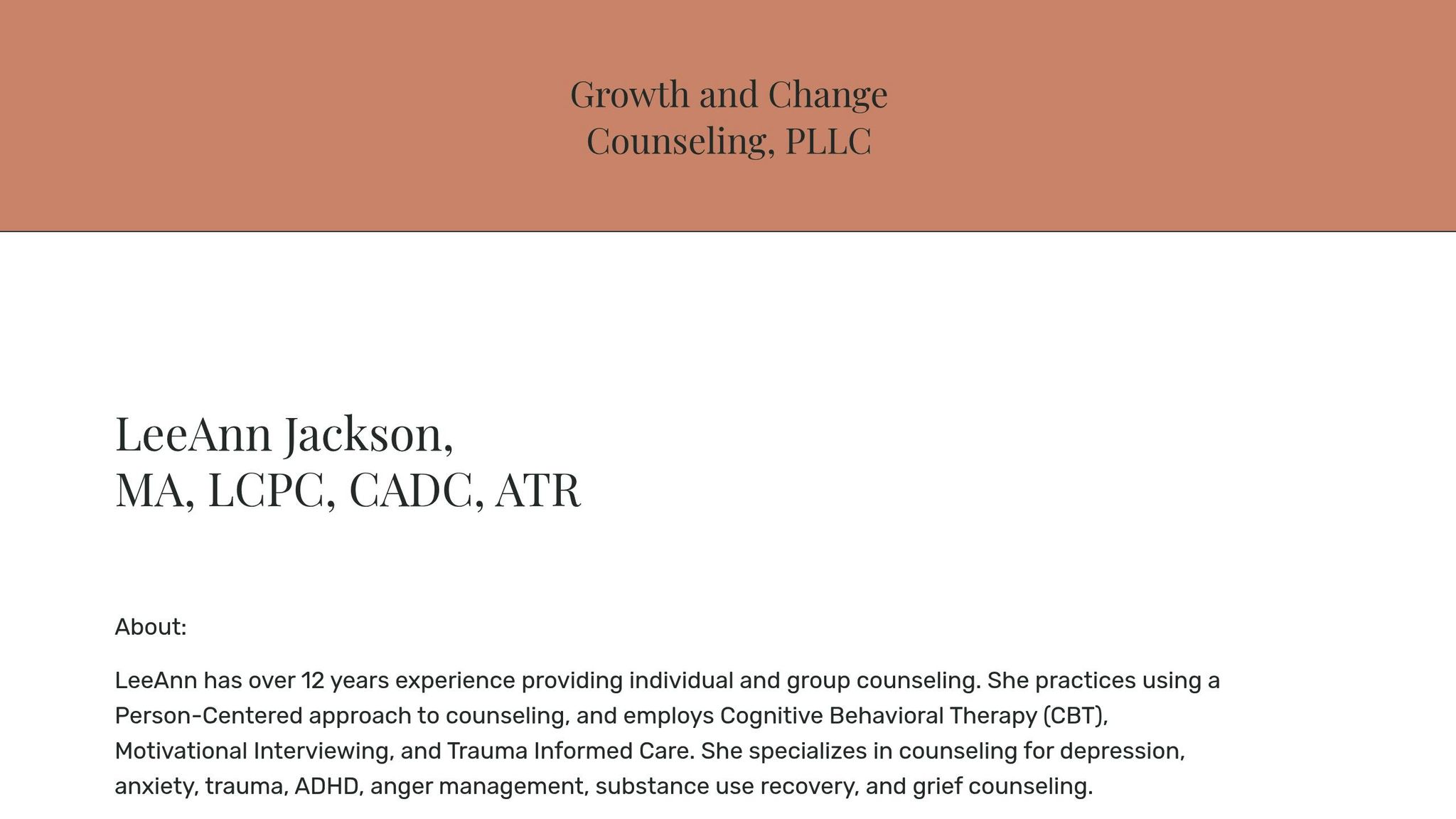
Growth and Change Counseling builds on these specialized approaches, offering support for couples navigating the complexities of BPD-ASD relationships. With offices in Campbell, San Jose, Los Angeles, and Roseville, California, as well as telehealth options statewide, their services are accessible to many.
For couples in crisis, The Marriage Rescue Institute provides a 12-week intensive coaching program aimed at rebuilding marriages. This structured process offers clear guidance, which can be especially helpful for autistic partners who thrive on routine. At the same time, it addresses the abandonment fears that are common for those with BPD. By breaking down foundational issues – like understanding each partner’s neurological differences and creating practical strategies – the program helps couples make meaningful progress without losing momentum between sessions.
Beyond couples counseling, Growth and Change Counseling also offers individual therapy, family therapy, and parent coaching. Individual sessions range from $100 to $200, depending on the therapist’s qualifications, with a sliding scale available for those in financial need. Their expertise spans anxiety, depression, addiction (including media, sex, and substance use), trauma, and anger management. Using a solutions-focused, flexible approach, they tailor treatments to meet individual and family needs – an approach especially valuable for neurodiverse couples.
When to Seek Professional Help
Deciding when to seek professional help can be tough, particularly when relationship struggles feel constant. Here are a few signs it might be time to reach out:
- Ongoing conflicts that remain unresolved despite your best efforts, or frequent communication breakdowns where emotions and needs feel overlooked
- A relationship marked by intense emotional reactions followed by periods of disconnection, pointing to deeper attachment challenges
- Persistent feelings of emptiness or dissatisfaction that weigh on the relationship
- Safety concerns, such as self-harm or suicidal thoughts, which can occur in both BPD and autism [1]. These situations require immediate professional intervention and clear safety protocols.
"I’ve come to realize that challenges in relationships are at the center of most of our problems, whether it be anxiety, depression, family conflicts, or marriage conflicts."
– John Mark Kane, LMFT
If you and your partner are putting in effort but still struggling, professional guidance can offer the tools and strategies you need. By addressing both individual and shared challenges, expert support can help couples build on the progress they’ve already made through self-help efforts.
Conclusion
Building and maintaining relationships affected by BPD and ASD requires understanding the unique challenges and triggers associated with these conditions. Emotional dysregulation often stems from different sources – fear of abandonment or relationship instability in BPD, and sensory overload or disruptions to routines in autism. Recognizing these differences helps partners avoid taking behaviors personally and instead focus on offering the right kind of support.
Relationships involving BPD and ASD can often feel intense, but this intensity comes from a place of genuine care and commitment. Autistic individuals may approach relationships with the same deep focus they give to their special interests, while those with BPD often dedicate themselves fully to making their relationships work. With this understanding, couples can shift their perspective from seeing these conditions as barriers to seeing them as opportunities for growth through tailored strategies and mutual understanding.
Practical tools like structured communication, emotional regulation techniques (such as DBT), sensory management, and clearly defined boundaries can help couples navigate challenges. These approaches foster healthier dynamics by improving conflict resolution, building trust, and encouraging genuine understanding. However, when these strategies fall short, seeking professional guidance becomes essential.
Standard relationship advice often doesn’t account for the complexities of neurodiverse relationships. For specialized support, Growth and Change Counseling offers services tailored to these unique dynamics, providing couples and individuals with the tools they need to thrive.
Ultimately, the foundation of any successful relationship lies in patience, empathy, and a willingness to adapt. The challenges faced by couples with BPD and ASD don’t stem from a lack of love but from neurological differences. By investing time in understanding each other’s triggers and creating personalized coping strategies, couples can experience greater stability and deeper emotional connection. Through effort, understanding, and targeted support, it’s possible to build relationships that honor both individual needs and shared aspirations.
Finding Lasting Connection with Growth and Change Counseling
How can couples navigate emotional and sensory challenges when one partner has BPD and the other has ASD?
Managing a relationship where one partner has Borderline Personality Disorder (BPD) and the other has Autism Spectrum Disorder (ASD) can feel challenging, but with thoughtful strategies, it’s possible to create a strong and supportive bond. One of the most important tools in this dynamic is open communication. Both partners should work on expressing their needs and boundaries clearly, while also practicing patience and understanding.
When it comes to emotional and sensory challenges, working together to identify patterns can make a big difference. For instance, if one partner is particularly sensitive to loud environments or sudden changes, planning ahead can help reduce stress. On the emotional side, techniques like mindfulness, grounding exercises, or even individual therapy can help both partners manage their responses and avoid unnecessary misunderstandings.
Professional support, such as couples counseling, can also be a game-changer. A therapist can offer tailored strategies that cater to the unique needs of both individuals, helping to build a relationship that thrives on mutual understanding and connection.
What are some practical communication tips for couples navigating challenges related to BPD and ASD?
Effective communication plays a crucial role for couples navigating the unique dynamics of borderline personality disorder (BPD) and autism spectrum disorder (ASD). Here are some practical strategies to help build understanding and connection:
- Focus on active listening: Take the time to genuinely hear and acknowledge each other’s feelings. Avoid interrupting or jumping to conclusions, as this can create unnecessary misunderstandings.
- Use clear and direct language: Subtle hints or implied meanings can be difficult for someone with ASD to interpret. Express your thoughts and needs in straightforward terms to avoid confusion.
- Set compassionate boundaries: Healthy boundaries are important for managing emotional intensity while ensuring both partners feel respected and secure.
Patience and empathy are key to maintaining these relationships. If difficulties persist, consider seeking professional support, such as couples counseling. Growth and Change Counseling offers specialized services designed to help couples navigate the complexities of neurodiverse relationships with a focused and supportive approach.
When should couples navigating BPD and ASD in their relationship consider seeking professional support, and what type of therapy can help them most effectively?
Couples navigating the challenges of borderline personality disorder (BPD) and autism spectrum disorder (ASD) often face unique hurdles in their relationships. Seeking professional help can make a big difference, especially when communication starts to falter, emotional needs feel overlooked, or ongoing conflicts strain the connection. Addressing these issues early can ease tension and build mutual understanding.
Specialized therapies designed for neurodiverse relationships, like couples counseling, can be incredibly helpful. For instance, Growth and Change Counseling offers support through The Marriage Rescue Institute, a focused 12-week program aimed at helping couples rebuild and strengthen their relationship. In addition to couples counseling, individual therapy and family-oriented approaches are available to tackle personal and relational challenges, setting the stage for lasting emotional health.
Related Blog Posts
- How Sensory Processing Affects Neurodiverse Relationships
- Autism vs. Depression: Understanding Co-occurring Conditions
- OCD and Emotional Intimacy in Neurodiverse Couples
- Emotional Intelligence for Neurodiverse Couples
