Managing triggers is one of the hardest parts of recovery, especially for couples. Triggers – whether emotional, external, or relationship-based – can bring back painful memories or cravings, risking relapse. For couples, these moments are often shared, which makes recovery even more challenging. But working together to identify and navigate triggers can help strengthen both sobriety and the relationship.
Here’s a quick breakdown of the key points:
- What are triggers? Emotional or situational cues that spark intense reactions tied to past pain or substance use.
- Why are triggers harder for couples? Shared experiences, unresolved conflicts, or past substance use often amplify emotional responses.
- Common triggers: These include internal struggles (like guilt or anxiety), external cues (like certain places or events), and relationship conflicts (like arguments or trust issues).
- How to manage them: Use tools like trigger mapping, joint journaling, and regular emotional check-ins. Build self-awareness, communicate openly, and seek professional help if needed.
- Therapy options: Couples counseling, individual therapy, or structured programs like Growth and Change Counseling can provide tailored support.
Recovery is tough, but by addressing triggers together, couples can build stronger connections and reduce the risk of relapse. The journey is about teamwork, patience, and consistent effort.
5 Steps to Managing Emotional Triggers in Relationships
Common Types of Triggers in Couples Recovery
Identifying and understanding the various triggers that arise during recovery can help couples navigate challenges more effectively. Triggers typically fall into three categories: internal, external, and relationship-based. These often overlap, creating a mix of emotional and situational challenges. Let’s explore each type in more detail.
Internal Triggers
Internal triggers are the emotions, thoughts, and mental states that can spark cravings or emotional distress. These include stress, anxiety, depression, guilt, shame, loneliness, and even boredom[1][2]. What makes these triggers particularly tough is their invisibility – your partner might not realize what you’re experiencing, which can make it harder to seek support.
"Negative beliefs, addictive cravings, fear, trauma memories, and unforgiveness can derail your relationships and well-being." – John Kane, LMFT, Founder of Growth and Change Counseling[4]
Feelings like guilt and shame often hit hard during recovery. For instance, one partner might feel guilty after a mistake or moment of weakness, leading to a desire to escape through substance use. Similarly, shame about past behaviors can create a destructive cycle where negative emotions drive cravings.
Anxiety and depression are another potent combination. Feeling anxious about the future or hopeless about the present can quickly reignite old habits of using substances to cope. For couples, this becomes even more complicated as one partner’s internal struggles inevitably affect the other.
Even boredom and loneliness – while seemingly less intense – can be dangerous. Recovery often leaves couples with extra time on their hands, and without the social activities or routines tied to substance use, this emptiness can trigger cravings.
But internal triggers are only part of the equation – external factors also play a significant role.
External Triggers
External triggers are the visible, tangible cues that remind someone of past substance use or make using feel tempting. These might include specific locations, social events, people, or routines tied to substance use[1][2].
Social gatherings are a big challenge for couples in recovery. In the U.S., many social events revolve around alcohol, from weddings to holiday parties. Attending these events together can create pressure to drink, especially if friends or family haven’t adjusted to the couple’s recovery journey.
Certain places can also act as powerful triggers. Walking past a familiar bar, visiting an old neighborhood, or even driving by a friend’s house can reignite cravings tied to past habits.
Time-related triggers are often overlooked but equally impactful. Specific times of day, days of the week, or even seasons can bring back memories of substance use. For instance, a Friday evening might feel like a cue to return to old weekend routines.
While external triggers are easier to spot, relationship dynamics often create the most complex challenges.
Relationship Triggers
Relationship triggers stem from dynamics within the partnership itself. These include unresolved conflicts, financial stress, betrayal, unmet expectations, or a lack of intimacy[1]. What makes these triggers particularly difficult is that they arise from the very relationship that’s supposed to offer support.
Arguments and unresolved conflicts are common relationship triggers. When communication breaks down or disagreements escalate, both partners may feel tempted to escape the discomfort through substance use. The emotional strain of fighting can even bring back memories of how substances once provided temporary relief.
"Anxious, addicted, depressed people isolate because they are pulling away from relationships, it hurts too much, it’s easier in the moment. But they get more mentally unwell because the root issues are endured instead of resolved, marriages are isolated instead of repaired." – John Kane, LMFT, Founder of Growth and Change Counseling[4]
Trust issues and betrayal are another significant source of relationship triggers. If one partner has broken promises or been unfaithful, the resulting lack of trust can lead to anxiety, anger, and cravings. The betrayed partner may wrestle with resentment, while the other struggles with guilt and shame.
Financial stress is a frequent relationship trigger, especially when past addiction has caused financial strain. Arguments about money can quickly spiral into feelings of frustration and anxiety, which may drive cravings or emotional withdrawal.
Intimacy challenges also play a role. When couples struggle to reconnect emotionally or physically during recovery, feelings of rejection or loneliness can surface. This emotional distance may remind one or both partners of times when substances seemed to fill the gap.
Unmet expectations about recovery progress can add another layer of difficulty. If one partner believes that recovery will instantly fix all relationship problems, the ongoing challenges can feel disappointing and triggering. Differing recovery timelines or approaches can also create tension and emotional strain.
These triggers rarely exist in isolation. For example, attending a social event (external trigger) might spark a disagreement about whether to stay or leave (relationship trigger), leading to feelings of guilt or anxiety (internal triggers). By understanding how these triggers interact, couples can create more effective strategies to manage them together.
Steps to Identify Triggers as a Couple
Figuring out what triggers each other as a couple takes effort, honesty, and a willingness to explore both personal vulnerabilities and shared experiences. It’s about building awareness, improving communication, and creating a safe space where both partners feel comfortable sharing their struggles.
Practical Tools for Trigger Identification
One helpful method is trigger mapping, a visual tool that allows couples to track connections between specific situations, emotions, and reactions. For instance, you could map how attending a family gathering (situation) leads to anxiety (emotion), which might then result in cravings for alcohol (response). Both partners contribute to the map, identifying their individual patterns as well as any shared triggers that could impact the relationship.
Set aside time each week to review and update your trigger maps. Start by listing recent moments when either of you felt triggered, then trace the emotional journey that led to those feelings. This process helps uncover patterns you might not notice otherwise and equips you to handle similar situations in the future.
Another tool is joint journaling, which promotes accountability and mutual understanding. Unlike personal journaling, this involves both partners documenting their daily experiences, triggers, and coping strategies. Each person writes their own entries, but you review them together during weekly check-ins.
Keep it simple: note the date, the trigger, the emotional response, and any actions taken. For example, an entry might say, "Tuesday, 3/15 – Argument about finances led to feeling overwhelmed. Wanted to isolate but called my sponsor instead." Reviewing these entries together can highlight recurring themes and celebrate progress.
Regular emotional check-ins are also essential. These aren’t casual chats but intentional moments to discuss feelings and potential triggers before they escalate. Schedule these sessions during quiet, distraction-free times. Ask specific questions like, "What situations this week made you feel vulnerable?" or "Are there any upcoming events that have you worried?" This proactive approach helps address concerns early, preventing them from spiraling into larger issues.
With these tools in place, the next step is to focus on building self-awareness and improving communication.
Building Self-Awareness and Communication
Understanding your own emotional patterns and responses is key to identifying triggers. Each partner needs to reflect honestly on their feelings, physical reactions, and thought processes that arise before a triggering moment.
Practicing mindfulness exercises can help with this. Simple techniques like deep breathing or body scans can teach you to notice stress signals early. When both partners regularly practice mindfulness, they become more attuned to their own patterns and better equipped to support each other.
When communicating about triggers, use "I statements" to express emotions without assigning blame. For example, say, "I feel triggered when plans change unexpectedly", instead of pointing fingers. This approach keeps the conversation focused on understanding rather than defensiveness.
Active listening is equally important. When your partner shares a trigger, focus fully on their experience instead of planning your response. Reflect back what you hear to show you’re paying attention. For example, you might say, "It sounds like the loud music at the restaurant brought back some tough memories." This kind of validation encourages openness and trust.
Sometimes, these conversations can lead to disagreements or hurt feelings, making constructive conflict management crucial. Set ground rules, like taking breaks when emotions run high and returning to the discussion once both of you feel calm. The goal isn’t to "win" but to understand and support each other.
As you work on self-awareness and communication, it’s equally important to validate and empathize with each other’s experiences.
Validating and Understanding Each Other
Validation doesn’t mean you have to agree with everything your partner says or feels. It’s about acknowledging that their experience is real and meaningful, even if you don’t fully understand it. When your partner opens up about a trigger, avoid minimizing their feelings or jumping in with solutions. Sometimes, the best response is simply, "That sounds really tough", or "I can see why that situation would be triggering for you."
Building empathy means trying to see things from your partner’s perspective. For example, recognize that their anxiety about social events might stem from past experiences where alcohol was their main coping mechanism. Or understand that conversations about money might bring up shame tied to spending habits during active addiction.
Ask thoughtful questions to deepen your understanding, like, "What does that situation feel like for you?" or "What’s the most helpful thing I can do when you’re feeling triggered?" These questions show genuine care and help strengthen your emotional connection.
Finally, avoid judgment when your partner shares something vulnerable. Triggers often come from past trauma, addiction, or deep-seated fears – things they didn’t choose. Responding with criticism or impatience can shut down communication and make them hesitant to share in the future.
Approach this process with patience, curiosity, and a commitment to supporting each other. The skills you develop together – like identifying triggers, improving communication, and practicing empathy – will not only help manage challenges but also strengthen your relationship as a whole.
sbb-itb-596b85d
Strategies for Managing Triggers Together
Once you’ve identified your triggers, the next step is to work on strategies that help you manage them as a team. These methods not only build skills to navigate challenging moments but also strengthen your recovery and deepen your connection. By combining self-awareness and open communication, you create a system that supports shared growth.
Developing Joint Coping Methods
Mindfulness can be a powerful tool when practiced together. It helps both partners stay calm and self-aware in moments of stress. For instance, if one of you feels triggered, you can pause and take five slow, deep breaths together to create a sense of calm. It’s a simple yet effective way to reset during tense moments.
Another approach is setting aside 10–15 minutes daily for guided meditation as a couple. Whether you follow an app or use an online resource, this consistent practice can help you stay grounded and better prepared when unexpected triggers arise.
Healthy distractions can also shift focus away from triggering situations. Pick activities that you both enjoy and that contribute to your well-being. This could be anything from taking a walk, cooking a meal together, or gardening, to diving into a shared hobby. To make it easy, keep a list of these go-to activities somewhere visible, like on your fridge or saved in your phones, so you can quickly turn to them when needed.
Establishing boundaries is another key strategy. These aren’t about restrictions but rather mutual agreements that create emotional safety. For example, you might decide to avoid social events where substances are present, set limits on discussing stressful topics like finances, or agree to step away from conversations that tend to escalate. Clear boundaries help protect both partners and foster a sense of security.
A practical tip many couples find useful is creating a code word to signal when one of you feels triggered. This simple, discreet signal allows the other to step in with support without requiring detailed explanations in the moment.
While these personal strategies are effective, professional guidance can take your skills to the next level.
Using Therapy to Build Skills
Therapy offers tools and insights that can make a big difference in how couples handle triggers. For instance, Cognitive Behavioral Therapy (CBT) can help you reframe negative thoughts. Instead of thinking, "We’ll never get our finances under control", you can shift to, "We’re learning how to manage our money together."
Couples counseling provides a safe space to practice these skills with the help of a professional. A therapist can point out patterns you might not notice on your own and guide you through challenging situations. This can be especially helpful when dealing with deep-seated issues or unresolved conflicts. Sessions might include role-playing exercises to practice problem-solving or emotional regulation techniques, making it easier to apply these strategies in everyday life.
Therapy also teaches mindful communication. Skills like active listening, using “I” statements to express feelings without blame, and taking breaks when conversations become heated can completely change how you navigate triggering discussions.
For couples looking for a more structured approach, programs like Growth and Change Counseling’s Marriage Rescue Institute offer specialized guidance. Their 12-week program is designed to help couples rebuild intimacy, connection, and shared purpose – key elements in managing triggers as a team.
Along with therapy, creating a shared recovery plan can further solidify your efforts.
Creating a Shared Recovery Plan
A shared recovery plan acts as a roadmap for managing triggers and supporting one another’s growth. It’s not a one-time effort but a living plan that evolves as your relationship and recovery progress.
Start by setting clear, measurable goals together. These might include scheduling regular therapy sessions, committing to daily mindfulness exercises, or holding weekly check-ins to discuss triggers and progress. Write these goals down and revisit them regularly to stay on track.
Daily routines that promote sobriety form the backbone of your plan. For example, morning rituals can set a positive tone for the day, while evening routines help you both unwind. Contingency plans are also important – talk about how you’ll handle situations like intense cravings or unexpected triggers at social events.
Joint journaling can be a valuable tool. By documenting which coping strategies work best in specific situations, you create a personalized guide to refine your approach over time. This also helps you track progress and identify areas for improvement.
Weekly check-ins are another essential part of your recovery plan. Use this time to review what’s working, make adjustments, and celebrate small victories. Whether it’s updating a trigger map, reviewing your journal, or simply talking about how you feel, these check-ins provide tangible proof of your growth and keep you motivated to continue working together.
The Role of Professional Support
Professional support provides structured guidance and practical tools to address emotional challenges that can hinder recovery. With expert help, individuals and couples can tackle deep-seated issues like trauma, communication struggles, and lingering resentment – things that are often hard to resolve without outside assistance. This kind of intervention significantly lowers the risk of relapse by addressing the root causes of these struggles.
Benefits of Couples Counseling
Couples counseling offers a safe, judgment-free environment where both partners can explore and understand each other’s emotional triggers. Unlike trying to have these conversations at home, where emotions can flare up, therapy provides a structured setting guided by a professional who ensures discussions remain productive and focused. Together, couples can develop coping strategies tailored to their unique relationship dynamics.
One of the standout benefits of couples counseling is the improvement in communication and emotional safety. Many couples unknowingly fall into patterns of blame or enabling behaviors, which can harm the relationship over time. Attending therapy together shows a mutual commitment to the relationship and the recovery process. This shared effort often strengthens the bond between partners and helps rebuild trust that may have been damaged by addiction.
Therapy also creates a neutral space to tackle difficult emotions as a team. Instead of avoiding tough conversations or letting them spiral into conflicts, couples learn how to address challenges constructively. Research backs this up – couples who go through therapy together report higher rates of long-term recovery and greater satisfaction in their relationships. Moving from self-help to professional guidance reinforces the importance of working together on a recovery plan.
Growth and Change Counseling Services
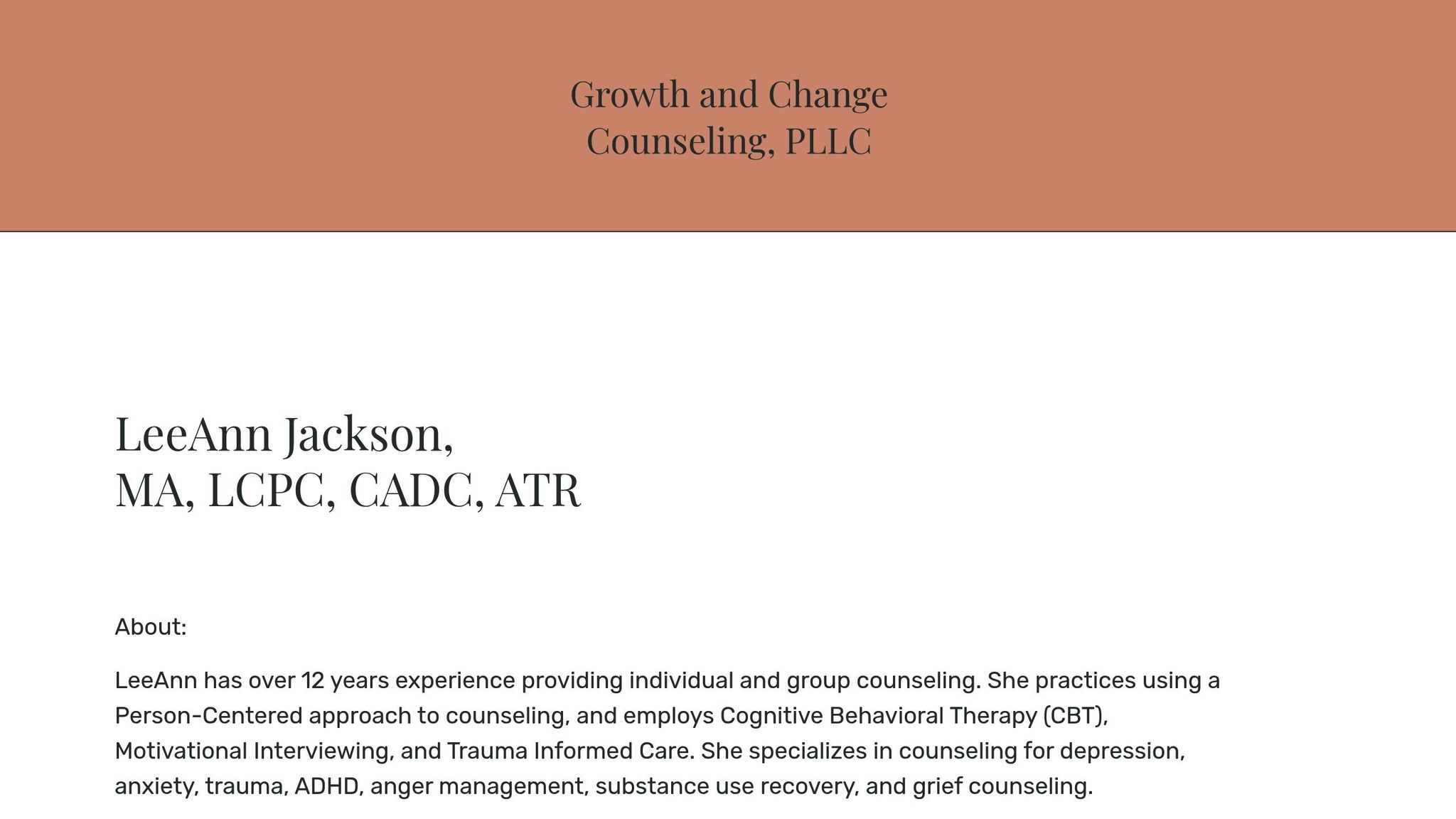
Professional programs like those offered by Growth and Change Counseling take these benefits even further by providing specialized frameworks for recovery. Their services are designed to address the unique needs of couples navigating addiction and emotional triggers.
One of their key offerings is The Marriage Rescue Institute, a 12-week intensive coaching program aimed at helping couples in crisis rebuild and restore their marriages. This structured approach is especially helpful for partners dealing with addiction-related challenges, as it provides consistent support over an extended period.
Growth and Change Counseling takes a comprehensive, solutions-driven approach that addresses both individual and relationship needs. Beyond couples counseling, they offer individual therapy for personal trigger management, family therapy to support children affected by addiction, and parent coaching to maintain a stable home environment. Their expertise spans anxiety, depression, trauma, addiction, and even neurodiverse relationships – common intersections in recovery work.
What sets them apart is their holistic understanding of how recovery impacts the entire relationship system. Their therapists are skilled at identifying triggers specific to the relationship while also addressing each partner’s individual healing. With services available in Campbell, San Jose, Los Angeles, and Roseville – and telehealth options statewide – Growth and Change Counseling provides accessible, tailored support for couples across California.
Comparing Therapy Options
Different types of therapy focus on specific aspects of recovery, and many couples find that combining approaches works best. Here’s how the main options compare:
Couples Counseling:
- Focuses on relationship dynamics and shared emotional triggers
- Helps improve communication and build joint coping strategies
- Rebuilds trust and intimacy
- May not fully address individual trauma or mental health needs
Individual Therapy:
- Targets personal triggers, trauma, and underlying mental health concerns
- Provides a private space to process sensitive issues
- Doesn’t address relationship patterns or shared challenges
Group Therapy:
- Offers peer support and reduces feelings of isolation
- Provides shared experiences and diverse coping strategies
- Is often more affordable than individual sessions
- Lacks the focus needed for couple-specific issues
According to the Substance Abuse and Mental Health Services Administration (SAMHSA), couples-based interventions can significantly boost recovery outcomes. Some studies even show a 30% higher rate of sustained sobriety for those who engage in couples counseling compared to individual treatment alone[3]. This highlights the importance of addressing triggers within a relationship context rather than focusing solely on individual challenges.
When deciding on the best therapy for your situation, think about your primary concerns. If relationship conflicts and shared triggers are at the forefront, couples counseling is a logical starting point. If personal trauma or mental health challenges are more pressing, individual therapy might be the better choice. For those looking for peer connection and shared experiences, group therapy offers a supportive community.
The most important step is to begin. Professional support provides the tools and insights needed to make meaningful progress and avoid common setbacks in the recovery journey.
Building Resilience Together
Recovery is a continuous journey that takes effort, patience, and a shared commitment. When couples work together to build resilience, their relationship becomes a source of strength instead of stress. While strategies can guide the process, true resilience comes from daily conversations and a mutual dedication to growth.
Resilience is all about bouncing back from challenges and growing stronger as a team. It requires both partners to embrace vulnerability, show empathy, and keep communication open – even when it’s tough. Research highlights that couples in therapy not only sustain recovery but also deepen their relationship satisfaction over time[1]. Below, we’ll explore practical strategies to integrate these ideas into daily life.
Key Takeaways for Couples
Successful recovery for couples is built on three main pillars: identifying triggers, fostering communication, and seeking professional support. Recognizing triggers is essential because they highlight areas that need healing.
Open communication plays a key role. Active listening and regular check-ins allow both partners to express themselves honestly and without fear. Using "I" statements and approaching conversations with curiosity instead of judgment helps to build trust and avoid defensive reactions. These skills are especially critical during stressful times when old habits might resurface.
To stay ahead of potential challenges, couples can work together on trigger mapping and keeping a shared recovery journal. This proactive approach helps identify patterns, high-risk situations, and early warning signs before they escalate into bigger issues. Collaborating in this way not only strengthens your bond but also safeguards sobriety for both partners.
Empathy is the connection between understanding and action[1]. When setbacks happen – and they inevitably will – responding with compassion instead of blame can turn a potentially damaging situation into an opportunity for deeper connection. Viewing relapses as moments to learn and grow, rather than as failures, increases the likelihood of long-term recovery success.
Professional support is another cornerstone of resilience. Whether through couples counseling, individual therapy, or specialized programs, working with trained professionals provides tools and guidance that can be hard to develop on your own. Therapy offers a safe, structured environment to address deeper issues that may feel too overwhelming to tackle at home.
These strategies provide a foundation for ongoing growth, even when setbacks arise.
Encouragement for Continued Growth
As you continue identifying and managing triggers, remember that recovery is a journey of transformation. It’s not about going back to who you were before addiction – it’s about becoming the couple you’re meant to be. Every identified trigger, every tough conversation, and every choice to connect strengthens your resilience.
Setbacks are not signs of failure – they’re opportunities to refine your approach[1]. Growth often feels uncomfortable, but that discomfort is a sign that you’re breaking free from old patterns and building healthier ways to relate to each other.
Celebrate the small wins along the way. Maybe you successfully used a coping strategy together, navigated a trigger without conflict, or supported each other during a tough moment. These seemingly small achievements are actually huge milestones in creating lasting resilience.
Your shared commitment to recovery doesn’t just impact your relationship – it inspires those around you. By working together, you’re not only healing yourselves but also setting an example of healthy communication and mutual support for others who may be on similar journeys.
The road ahead will have its ups and downs, but you now have the tools, knowledge, and support to face challenges together. Trust in your ability to grow, lean on professional help when needed, and remember that each step forward strengthens your partnership. Keep building, one day at a time.
Couples Recovery FAQs at Growth and Change Counseling
How can couples work together to identify and understand their emotional triggers?
Identifying and understanding emotional triggers as a couple takes patience, open communication, and a willingness to listen. Begin by creating a safe space for calm, honest conversations where both partners can express their feelings and share personal experiences without fear of being judged. Pay close attention to recurring situations, specific words, or behaviors that seem to spark intense emotional reactions.
Keeping a shared journal can be a helpful way to track patterns and uncover common triggers. Once you’ve identified these, work together to develop strategies to handle them. This might include taking short breaks during heated discussions, practicing mindfulness techniques, or even reaching out for professional guidance. For couples seeking extra support, Growth and Change Counseling provides specialized services to help navigate these challenges and build a stronger emotional connection throughout the recovery process.
How can professional therapy help couples manage emotional triggers during addiction recovery?
Professional therapy is an essential part of helping couples deal with the emotional struggles that often come with addiction recovery. It offers a safe and structured space where partners can openly express their feelings, identify triggers, and work on building better communication habits.
At Growth and Change Counseling, therapists are skilled in helping couples navigate these tough emotions. They provide tools and strategies to rebuild trust and improve the relationship. With the right guidance, couples can work together to establish a stronger bond and lay the groundwork for lasting recovery and emotional health.
What strategies can couples use to stay strong and avoid relapse when dealing with emotional triggers?
Managing emotional triggers during recovery involves honest communication, mutual support, and thoughtful strategies. Couples can grow stronger by recognizing their individual triggers and openly discussing them. This shared understanding allows both partners to approach challenges with greater empathy and patience.
To reduce the risk of relapse, it’s important to build healthy coping habits. These might include practicing mindfulness, establishing structured daily routines, or seeking professional help when necessary. Couples counseling, like the services provided by Growth and Change Counseling, can offer tailored guidance and tools to navigate these hurdles together. By focusing on emotional health and staying proactive, couples can not only maintain recovery but also deepen their connection along the way.
Related Blog Posts
- Addiction Recovery and Marriage Communication
- Managing Anger During Addiction Recovery in Marriage
- How Addiction Impacts Marital Stability
- Rebuilding Emotional Intimacy After Addiction
