Struggling with addiction’s impact on your life and relationships? Solution-Focused Therapy (SFT) offers a practical, strengths-based approach to recovery.
Instead of focusing on past mistakes, SFT helps individuals and couples identify what’s already working and build on those successes. Developed in the late 1970s, this method emphasizes goal-setting, actionable steps, and collaboration between clients and therapists. Research shows it can deliver meaningful progress in as few as 6–10 sessions, with studies reporting improved drinking behaviors in 63.3% of participants after one year.
For couples, SFT addresses the relational damage caused by addiction, helping partners rebuild trust, improve communication, and set shared recovery goals. Techniques like the "miracle question", scaling progress, and exception finding empower clients to create lasting change.
Key Takeaways:
- Focuses on solutions, not problems.
- Builds on client strengths and past successes.
- Effective for addiction recovery and repairing relationships.
- Short-term approach: typically 6–10 sessions.
- Couples therapy fosters teamwork and trust.
Looking for support? Growth and Change Counseling provides SFT-based services across California, including a 12-week intensive program for couples.
Solution-Focused Therapy with Dr. Diane Gehart
Core Principles of Solution-Focused Therapy for Addiction
The principles of solution-focused therapy (SFT) provide a solid foundation for building resilience and addressing the impact of addiction on relationships. By focusing on what works, this approach empowers individuals to take charge of their recovery journey while strengthening their relationships.
Goal-Oriented and Strengths-Based Methods
Instead of dwelling on past failures, SFT asks a different question: What is working? This forward-looking mindset shifts the focus to real-life successes and the future clients want to create, steering clear of the pitfalls of rehashing past mistakes[1].
The strengths-based approach encourages clients to recognize their existing resources, past achievements, and exceptions to their addiction patterns[1]. For example, a therapist might explore moments when a client managed stress without relying on substances. By identifying what made those moments successful, clients can develop practical strategies to replicate those behaviors[1].
What’s more, this method delivers results quickly. Studies reveal that 48% of SFT participants reached recovery after just two sessions, compared to only 2% in a comparison group[3]. This efficiency stems from building on existing strengths instead of trying to fix perceived flaws.
Each session focuses on clear, actionable goals. Therapists use tools like the miracle question to help clients visualize their ideal future and break it down into achievable steps[1][4]. Instead of vague aspirations like "I want to feel better", clients set specific goals such as "I want to communicate openly with my partner without defensiveness" or "I want to handle work stress in healthier ways."
Working Together: Client and Therapist Partnership
In SFT, the therapist acts as a guide, working alongside the client to shape the path forward[1][2]. This collaborative approach acknowledges that clients are the experts in their own lives, while therapists provide structure and support for the change process.
This partnership fosters trust and engagement, creating an environment where clients feel supported rather than judged. By actively participating in setting goals, tracking progress, and identifying effective strategies, clients take ownership of their recovery[1][4].
Together, the client and therapist build solutions rooted in the client’s strengths and aspirations[7]. Research shows that this collaborative approach often leads to better outcomes compared to focusing solely on therapeutic relationship factors[7].
Clients also use tools like scaling questions to monitor their progress. For instance, a client might rate their confidence in staying sober on a scale of 1 to 10 each day. During sessions, they can discuss what helped them move from a 4 to a 6, reinforcing the value of small, incremental improvements. This active engagement helps clients stay motivated and recognize progress they might otherwise overlook.
This teamwork approach is equally effective in couples therapy, where shared goals enhance the recovery process.
Using SFT in Couples Therapy
When addiction affects relationships, SFT becomes a powerful tool for healing both individual and relational wounds. By focusing on shared goals, identifying relational strengths, and exploring times when couples successfully managed addiction-related stress, SFT helps partners rebuild their connection[1][6].
Research highlights that couples using SFT experience stronger marital improvements compared to other approaches[7]. This success stems from its ability to help partners recognize positive patterns in their relationship and develop strategies to support both recovery and emotional well-being.
In practice, therapists encourage couples to move beyond blame or resentment. For example, a therapist might ask, "Can you recall a recent time when you felt like a team while addressing recovery challenges?" Reflecting on such moments helps couples identify what worked and how to create similar experiences in the future.
The goal-oriented nature of SFT allows couples to establish shared recovery objectives, fostering trust and collaboration. By celebrating small victories and acknowledging progress, partners rebuild confidence in each other and their ability to maintain long-term recovery. This focus on strengths reminds couples of the qualities that brought them together and highlights the potential for growth, laying the groundwork for a healthier, more supportive relationship.
Solution-Focused Techniques for Building Resilience
Solution-focused therapy offers practical tools designed to help individuals and couples develop the emotional strength needed for recovery. These techniques focus on building upon what’s already working, creating a strong foundation for resilience that can face future challenges. By emphasizing strengths and progress, this approach supports both personal growth and healthier relationships. Let’s explore some of the key techniques.
Finding and Building on Strengths
A critical step in fostering resilience is recognizing strengths that may have been overlooked during struggles with addiction. This process involves identifying moments when challenges felt more manageable and understanding what contributed to those successes. For instance, a therapist might ask, “Can you recall a time when cravings were less overwhelming? What was different then?” This helps clients uncover strategies they’ve successfully used before, such as reaching out to a support network, staying active, or following a consistent sleep routine.
For couples, the focus shifts to relational strengths. Therapists guide partners to reflect on times they effectively supported one another through stress without escalating conflicts. They might explore behaviors like active listening, taking pauses during heated discussions, or showing appreciation. By identifying these positive patterns, couples can intentionally recreate them. Additionally, therapists encourage clients to notice small daily successes, such as managing work stress without turning to substances. From there, clear and actionable goals are developed to build on these strengths and reinforce recovery.
Setting Clear Recovery Goals
Once strengths are identified, setting specific, actionable goals provides direction and tracks progress. Solution-focused therapy often begins with “best hopes” conversations, which shift the focus from what clients want to avoid to what they want to achieve. A therapist might ask, “What would life and your relationships look like in a few months if things improved?”
These aspirations are then broken down into manageable steps. For example, instead of a vague goal like “improve my relationship,” a couple might aim to have three positive conversations each week without revisiting past conflicts or dedicate 30 minutes of uninterrupted time together every evening. As clients achieve these smaller goals, they can adjust and expand them, ensuring the process remains meaningful and motivating, even during tougher moments.
Celebrating Progress and Success
Acknowledging progress – no matter how small – plays a crucial role in building resilience and maintaining recovery. Recognizing these wins helps reinforce positive changes that might otherwise go unnoticed. For example, a therapist might say, “You mentioned having two good days this week compared to none last week. What do you think made the difference?”
Scaling questions, such as rating confidence or progress on a scale of 1 to 10, can also highlight incremental improvements. These tools provide measurable feedback while boosting self-confidence and reinforcing a positive self-image. Celebrating small victories – whether personal or relational – helps shift the mindset away from “all-or-nothing” thinking. This way, setbacks are seen as temporary hurdles rather than permanent failures, keeping the focus on growth and resilience.
sbb-itb-596b85d
Using SFT in Addiction and Couples Therapy Sessions
Building on its foundational principles, Solution-Focused Therapy (SFT) offers practical tools for addressing challenges in addiction and couples therapy. This approach shifts the focus from past mistakes to what’s already working, helping couples improve communication, manage stress, and envision a better future together. Below, we’ll explore how SFT is applied in real therapy sessions.
Dealing with Relationship Stress from Addiction
Addiction can place immense strain on relationships, often leading to blame and conflict. SFT helps couples navigate these challenges by focusing on their strengths and shared goals. Instead of dwelling on problems, therapists guide couples to identify exceptions – moments when stress was handled well or communication stayed positive – and encourage them to replicate those moments.
In practice, therapists use scaling questions to measure progress. For instance, they might ask, “On a scale of 1 to 10, how would you rate your ability to communicate calmly during stressful moments this week?” These questions provide clear benchmarks for improvement.
Another key technique is exception finding. Couples are encouraged to reflect on times when addiction’s impact was less severe. For example, a couple might realize that sharing a morning coffee together consistently leads to positive interactions, even during difficult periods. By identifying what makes these moments successful, therapists help couples weave similar practices into their daily routines.
The "miracle question" is another powerful tool. It invites couples to imagine a future free from addiction-related stress and to outline actionable steps toward achieving that vision. This forward-thinking approach shifts the focus from avoiding problems to creating the relationship they want.
Keeping Progress and Handling Setbacks
Recovery is rarely a straight path, and setbacks are a natural part of the process. Long-term studies reveal that 84% of inpatient and 81% of outpatient SFT participants maintained their goals of abstinence or controlled drinking four years after treatment[3]. SFT emphasizes celebrating small victories and learning from setbacks, rather than fixating on failures.
To track progress, couples can use scaling questions and maintain exception logs – journals that document positive interactions or effective coping strategies. When challenges arise, revisiting these logs helps couples identify what has worked before and apply those strategies again. This approach encourages resilience and keeps the focus on growth.
SFT vs. Other Therapy Methods
SFT stands out from more traditional, problem-focused therapies by emphasizing strengths and future goals rather than past issues. This distinction can be crucial for couples deciding on a treatment approach.
| Aspect | Solution-Focused Therapy (SFT) | Problem-Focused Therapies (e.g., CBT) |
|---|---|---|
| Session Focus | Present/future, strengths | Past problems, deficits |
| Client Empowerment | High, client as expert | Moderate, therapist as expert |
| Effectiveness in Couples | Strong for engagement, brief | Effective, often longer duration |
| Approach to Setbacks | Constructive, nonjudgmental | Analytical, may revisit causes |
| Duration | Brief (6–10 sessions typical) | Often longer-term |
| Progress Tracking | Scaling, exception logs | Symptom checklists, behavioral logs |
Research shows SFT achieves similar outcomes to cognitive behavioral therapy (CBT) and motivational interviewing but often in fewer sessions. Its collaborative nature fosters greater commitment, as both partners feel heard and valued. One review found that 63.3% of patients reported improved drinking behaviors one year after SFT treatment[3]. Additionally, couples in therapy experienced significantly greater improvements in marital functioning (effect size g = 3.02) compared to other groups[7].
Growth and Change Counseling: Solution-Focused Therapy for Addiction
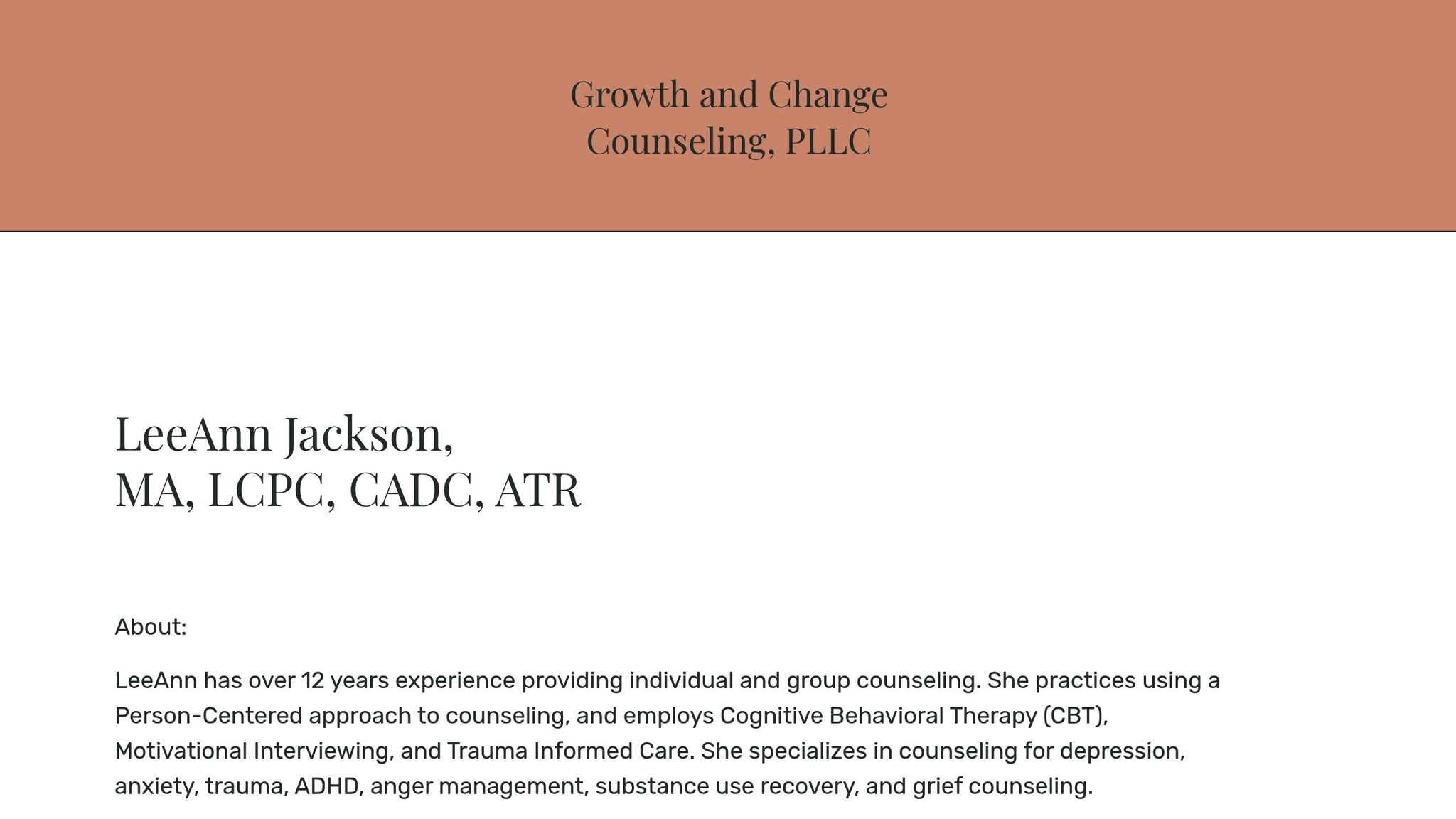
Growth and Change Counseling offers solution-focused therapy (SFT) for individuals and couples in California dealing with addiction. By blending evidence-based SFT techniques with customized programs, the practice targets both addiction recovery and relationship healing, creating a balanced approach to support clients on their journey.
Addiction and Relationship Counseling Services
At Growth and Change Counseling, therapy services address both addiction recovery and relationship challenges. Individual sessions are priced at $200 for 45 minutes with Licensed Marriage and Family Therapists or $150 with Associate Therapists, with sliding scale options starting at $100.
The practice tackles a variety of addiction issues, from substance use to media-related addictions like sex addiction. Therapists incorporate solution-focused techniques while addressing co-occurring conditions such as anxiety, depression, trauma, and anger management – factors that can complicate recovery.
One standout offering is The Marriage Rescue Institute, a 12-week intensive couples coaching program designed for relationships in crisis, especially those affected by addiction. This program uses solution-focused methods to help couples rebuild trust, improve communication, and develop actionable strategies to manage the ongoing impact of addiction on their relationship.
The Marriage Rescue Institute focuses on what couples want to achieve rather than revisiting past challenges. Structured sessions highlight relationship strengths, set weekly goals for positive interactions, and create personalized relapse prevention strategies that support both individual recovery and relationship health.
Therapy Options Across California
Growth and Change Counseling ensures accessibility by offering therapy through multiple locations and flexible delivery methods. In-person sessions are available in Campbell, San Jose, Los Angeles, and Roseville, allowing clients to choose what fits their schedules and preferences.
For those who prefer or need remote options, statewide telehealth services are available. These sessions maintain the same collaborative, goal-oriented approach as in-person therapy and incorporate tools like scaling questions, exception finding, and progress tracking via video platforms.
This statewide availability ensures that clients can continue therapy even if they relocate within California – an important feature during the early stages of recovery when maintaining relationship stability is crucial.
Focus on Emotional and Relationship Health
Growth and Change Counseling emphasizes the emotional and relational aspects of addiction recovery, recognizing the deep connection between addiction, emotional well-being, and relationship health. Instead of isolating addiction as a standalone issue, therapists help clients explore how emotional regulation, communication patterns, and relationship dynamics influence their recovery journey.
Research supports the effectiveness of solution-focused therapy in couples counseling[7]. Techniques like the miracle question help couples visualize their ideal future, while scaling questions track weekly progress in both individual recovery and relationship satisfaction. Exception-finding exercises are used to identify successful coping strategies within emotional and relational contexts.
The practice also tailors its methods to fit diverse family systems, acknowledging that recovery unfolds within unique relational and cultural frameworks. With over 13 years of experience in marriage counseling, couples therapy, and addiction treatment, the therapists at Growth and Change Counseling bring a wealth of clinical expertise and practical insight to help clients navigate the complexities of addiction recovery within their relationships.
Conclusion: Building Resilience Through Solution-Focused Therapy
Solution-focused therapy (SFT) provides a practical and effective approach for individuals and couples dealing with addiction and relationship challenges. Research supports its ability to deliver meaningful progress in fewer sessions compared to traditional methods, helping clients build long-term resilience.
Key Points to Keep in Mind
SFT focuses on strengths rather than weaknesses, guiding individuals toward recovery in as few as 6–10 sessions[1][5]. Its brief and results-driven nature makes it a more approachable option for those feeling overwhelmed by the recovery process.
This therapy’s collaborative approach puts clients in charge, recognizing them as the experts of their own lives. Instead of dissecting problems endlessly, SFT identifies and amplifies existing strengths, celebrates past successes, and highlights moments when addiction patterns were interrupted. Studies consistently show that SFT leads to quick and lasting improvements[3].
For couples, SFT not only aids individual recovery but also strengthens relationships. By focusing on times when the relationship thrived, couples can rebuild trust and connection. Research highlights its effectiveness, with marital functioning improvements showing strong outcomes (effect size of 3.02)[7].
Resilience grows through small, consistent actions. SFT techniques like keeping exception logs, using scaling questions to measure progress, and recognizing successful moments provide practical tools for recovery. These strategies emphasize the importance of seeking professional help early.
Professional Support Matters
While SFT fosters quick progress, long-term success often requires comprehensive care that addresses both emotional and relational challenges. Professional guidance ensures a well-rounded approach to recovery.
Growth and Change Counseling offers personalized therapy services throughout California, focusing on the link between emotional health and relationship recovery. Their solution-focused approach helps individuals and couples navigate the complexities of addiction and relational healing.
The Marriage Rescue Institute provides a 12-week program tailored for couples in crisis, especially those impacted by addiction. Using solution-focused techniques, the program helps couples rebuild trust, improve communication, and set actionable weekly goals. It also incorporates relapse prevention strategies, ensuring both individual and relational growth.
Taking the step to seek professional help is critical for lasting recovery. Solution-focused therapy offers a hopeful, actionable path to rebuilding resilience, repairing relationships, and creating the life you envision. With the right tools and guidance, individuals and couples can move toward healthier, more fulfilling futures.
FAQs
What makes Solution-Focused Therapy different from traditional approaches to addiction treatment, and how can it benefit some individuals?
Solution-Focused Therapy (SFT) shifts the focus of addiction treatment from past struggles to future possibilities. Instead of delving into the root causes of addiction, SFT zeroes in on a person’s strengths and their goals for the future. The idea is simple but powerful: identify practical solutions and take small, actionable steps toward recovery.
This approach is particularly helpful for those who feel stuck in negative thought patterns or overwhelmed by the weight of their challenges. By emphasizing hope and resilience, SFT empowers individuals to build confidence and make meaningful changes that can positively impact their lives and relationships.
How does Solution-Focused Therapy help couples rebuild trust and improve communication during addiction recovery?
Solution-Focused Therapy supports couples in addiction recovery by highlighting their strengths, nurturing hope, and guiding them toward practical steps for improvement. Instead of dwelling on problems, this approach encourages partners to concentrate on what’s going well in their relationship and how to expand on those positives.
Key techniques include setting clear, attainable goals, celebrating small victories, and fostering open, productive communication. By focusing on practical and achievable outcomes, couples can work together to rebuild trust and deepen their emotional bond while tackling the challenges of addiction recovery.
Can solution-focused therapy help people struggling with multiple addictions and related issues like anxiety or depression?
Yes, solution-focused therapy can be an effective approach for individuals managing multiple addictions alongside conditions like anxiety or depression. This method shifts the focus toward recognizing personal strengths and taking practical steps forward, rather than revisiting past struggles. By encouraging achievable goals and cultivating a positive mindset, it helps individuals strengthen their resilience and improve emotional well-being.
For those navigating complex challenges, this therapy also tackles interconnected issues, supporting both mental health and addiction recovery in a way that promotes overall progress.
Related Blog Posts
- How Addiction Impacts Marital Stability
- Addiction Recovery with Solution-Focused Therapy
- Cognitive-Behavioral Therapy for Couples with Addiction
- EFT for Addiction Recovery in Marriage
