Supporting a partner through addiction recovery can be overwhelming. Caregivers often face constant stress, emotional exhaustion, and neglect their own well-being. This article highlights practical ways to balance caregiving and self-care, including:
- Recognizing stress and burnout: Look out for signs like irritability, fatigue, or detachment.
- Setting boundaries: Define what you can and cannot do to protect your mental and physical health.
- Prioritizing self-care: Focus on sleep, nutrition, exercise, and hobbies to recharge.
- Seeking support: Join peer groups like Al-Anon, lean on family or friends, and consider professional counseling.
A Caregiver’s Guide On The Tolls Of Loving An Addict
Emotional and Practical Challenges of Caregiving
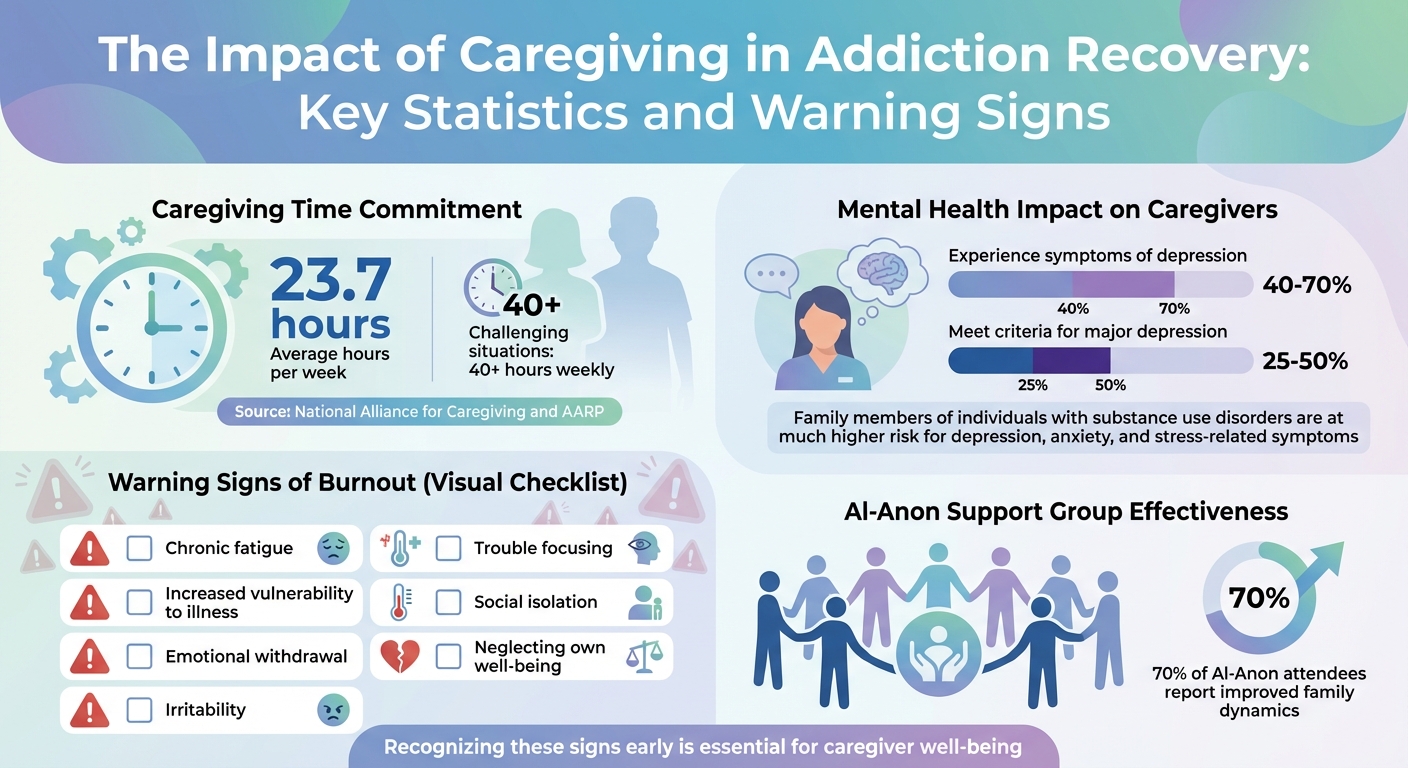
Caregiver Stress Statistics and Warning Signs in Addiction Recovery
Common Sources of Caregiver Stress
Supporting a partner through addiction recovery can be an incredibly demanding journey, filled with emotional and logistical hurdles. Many caregivers find themselves overwhelmed by constant worry about relapse, feelings of anger or guilt, and mourning the loss of the relationship they once had. The stigma surrounding addiction often adds another layer of difficulty, pushing caregivers into isolation.
On top of the emotional toll, caregivers take on a staggering amount of responsibility. They juggle treatment appointments, medication management, transportation, and crisis response – often while handling work, household tasks, and parenting. According to data from the National Alliance for Caregiving and AARP, caregivers in the U.S. dedicate an average of 23.7 hours per week to caregiving, with those in particularly challenging situations sometimes exceeding 40 hours weekly [11]. For instance, during the early stages of a partner’s recovery, a caregiver might handle everything from school drop-offs and meal preparation to bedtime routines and bill management, all while their partner attends outpatient treatment several evenings a week. These relentless demands often lead to significant financial strain.
Money worries only add to the stress. Many caregivers find themselves covering the costs of treatment programs, legal expenses, transportation, and everyday household needs. This is often compounded by lost income when their partner is unable to work. Some caregivers even take on additional jobs or extra shifts, which heightens fears of job insecurity and feelings of being stuck. Research highlights that family members of individuals with substance use disorders are at a much higher risk of experiencing depression, anxiety, and other stress-related symptoms [7].
Understanding Compassion Fatigue and Burnout
The emotional weight of caregiving can lead to serious consequences like compassion fatigue and burnout. Compassion fatigue occurs when emotional and physical exhaustion erodes a caregiver’s ability to empathize. It often shows up as emotional numbness, reduced patience, and a growing sense of detachment.
Burnout, on the other hand, is a more severe state of ongoing physical, emotional, and mental exhaustion caused by prolonged caregiving without adequate rest, support, or boundaries. Signs include chronic fatigue, increased vulnerability to illness, emotional withdrawal, irritability, and trouble focusing. Burnout can also lead caregivers to isolate themselves or neglect their own well-being. Studies reveal that 40%–70% of caregivers experience symptoms of depression, with 25%–50% meeting the criteria for major depression [11].
Recognizing these warning signs early is essential. A caregiver who becomes emotionally depleted may struggle to provide the consistent, supportive care their partner needs for recovery. This could result in reactions like anger or avoidance, which can strain the caregiving relationship further. Seeking help through therapy, peer support groups, or counseling services – such as those offered by Growth and Change Counseling – can be a vital step in restoring balance and maintaining healthier caregiving practices over time.
Setting Healthy Boundaries
Healthy boundaries are like guardrails – they define what you are and aren’t willing to do as a caregiver, protecting your physical and emotional health while encouraging your partner to take responsibility for their own recovery [4]. These boundaries act as safeguards against burnout and resentment [4][7]. For instance, you might decide not to cover for missed work, refuse to provide money that could go toward substances, or leave the room if conversations turn verbally abusive [4]. Over-controlling your partner’s journey can unintentionally enable behaviors that hinder progress. Growth and Change Counseling captures this idea perfectly:
"Conflict is a pathway to intimacy. If there’s no conflict in a relationship, at least one person isn’t being genuine. As therapists in Campbell, CA, we will provide support as you develop the relational intelligence needed for a meaningful and satisfying relationship." [1]
While setting boundaries is crucial, taking care of yourself is just as important.
Supporting Your Partner While Meeting Your Own Needs
Think of self-care as a non-negotiable appointment [2][9]. When you’re well-rested, nourished, and emotionally supported, you’re better equipped to handle the challenges of caregiving. This means prioritizing regular sleep, staying on top of routine medical care, engaging in physical activity, and making time for at least one enjoyable activity each week [2][8].
At the same time, you can offer structured support without sacrificing your well-being. For example, you might attend family therapy sessions, manage shared calendars for appointments, or schedule specific check-ins to discuss triggers or cravings – all while respecting your own limits [7][12]. A helpful question to ask yourself is, “Does this action help my partner take responsibility, or does it shield them from the consequences of their choices?” Healthy support promotes accountability and engagement in recovery [4][7].
Start by evaluating which caregiving tasks drain you the most – whether it’s late-night crisis calls, giving money, missing work, or enduring verbal outbursts. Rate your stress for each task on a scale from 1 to 10 [8][9]. High-stress tasks are signals that boundaries are needed. Translate these into clear statements like, “I can drive you to your evening meeting twice a week, but I can’t leave work early,” or “If you come home intoxicated, I’ll stay at a friend’s house for the night” [4][7]. Writing these boundaries down and sharing them calmly with your partner during a sober moment increases the chances they’ll be respected [4][9].
Concrete examples can make boundaries clearer. For financial issues, you might say, “I won’t give you cash, but I can pay the treatment center or pharmacy directly if I’m able” [4][7]. In emergencies, you could set a boundary like, “I’ll call 911 or take you to the ER if your safety is at risk, but I won’t stay up all night talking if you’re intoxicated” [8][9]. Including these limits in a family safety plan ensures everyone knows what to expect before a crisis occurs [8][9].
Communicating Clearly with Your Partner
Once you’ve set your boundaries, clear communication helps reinforce them and builds mutual understanding. Choose a calm moment to discuss them, and use “I” statements to focus on your needs rather than placing blame. For example: “I feel overwhelmed when I get multiple calls during work, so I need to limit calls to urgent issues,” instead of, “You always call me at the worst times” [8][9]. Be specific about the behavior and the boundary, and explain that these limits are about sustaining the relationship, not punishing your partner. For instance: “I care about you and want to be here for the long term, and this is what I need to make that possible” [4][8]. Invite feedback and consider minor adjustments while standing firm on your core limits [5][8][9].
If your partner reacts with guilt, pushback, or manipulation, behavioral techniques like the broken-record method can help. Calmly repeat your boundary without over-explaining: “I understand you’re upset, but I still won’t give you money,” in a steady tone [8]. If the conversation becomes heated, step away by saying, “This is getting too intense. I’m taking a 20-minute break, and we can talk once we’re both calmer” [8][9]. Feeling guilty is natural, but consistently giving in reinforces unhealthy patterns [7][8][10]. Support groups and counseling can help you manage these emotions while maintaining your boundaries.
Therapy – whether individual or family-focused – provides a neutral space to clarify your limits, address fears about setting them, and practice these conversations before having them at home [8][12]. A therapist can help you differentiate between healthy support and enabling, create safety plans for crises, and address personal challenges like anxiety or trauma [2][6][7]. Growth and Change Counseling specializes in addiction, trauma, and relationship dynamics, offering services to help partners define shared expectations, rebuild trust, and practice effective communication and boundary-setting [8][10][12]. With professional guidance, you’re better prepared to stick to your boundaries and navigate any challenges that arise.
Making Self-Care a Priority
While setting boundaries helps conserve your energy, prioritizing self-care actively restores it. Taking care of yourself is essential for maintaining your well-being. When you’re rested and emotionally balanced, you’re better equipped to think clearly, enforce limits, and handle crises effectively [4][9][5]. Plus, by prioritizing your own well-being, you set an example of healthy coping and stress management for your partner, reinforcing the strategies they’re learning in treatment [2][5].
Be mindful of warning signs that your self-care might be slipping. Persistent exhaustion, irritability, or physical symptoms like headaches can indicate neglecting your needs [4][7][9]. You might also notice feelings of hopelessness, resentment, or an overwhelming sense of responsibility for your partner’s sobriety. These emotions can lead to withdrawing from friends, hobbies, and activities that once brought joy [4][7]. Turning to alcohol, medications, or other numbing behaviors as a way to cope is another red flag, signaling the need to refocus on self-care – or even seek professional help [7][9]. So, how can you build a routine that keeps your well-being in check?
Creating a Self-Care Routine
A practical way to establish self-care is by using a tiered approach:
- Daily essentials: Prioritize consistent sleep, regular meals, brief physical activity, and following any prescribed medications.
- Flexible add-ons: Include longer workouts, social interactions, or time for hobbies when possible.
- Crisis tools: Rely on quick strategies like a five-minute breathing exercise, calling a trusted friend, or stepping outside for fresh air.
Block off time for self-care in your schedule as if it’s a non-negotiable appointment. Let your partner know these times are important, and have a backup plan ready – like taking a short walk if a gym visit isn’t feasible [4][5].
Evidence-backed practices include sticking to regular sleep and wake times, aiming for at least 150 minutes of moderate physical activity weekly (such as walking), and eating balanced meals instead of relying on snacks or caffeine [2][3][5][9]. Mindfulness exercises like deep breathing, guided meditation, or grounding techniques can help lower stress and build emotional resilience [2][4][5]. Even small actions, like journaling or scheduling a weekly hobby, can help you maintain your identity beyond caregiving [4][5][8].
Here’s an example: One spouse realized her late-night habit of checking on her partner’s sobriety was cutting her sleep down to four or five hours. With the help of therapy, she set a firm 10:30 p.m. bedtime, turned off phone alerts, and added nightly meditation to her routine. These changes improved her mood and reduced conflicts over "policing" [4][5]. Another caregiver joined an online support group and, with advice from peers, created a written self-care plan. The plan outlined consistent sleep, meals, one hobby, and one social connection per week. Sharing it with his therapist and revisiting it monthly turned vague goals into actionable steps [8][9][10].
When self-care alone isn’t enough, professional support can make a big difference.
How Professional Counseling Helps Caregivers
Therapy offers a safe space to explore feelings like anger, guilt, fear of relapse, and grief. It provides tools for managing stress, setting boundaries, and improving communication, all of which can ease the pressures of caregiving [4][7][9]. Counseling also helps challenge the belief that you’re solely responsible for your partner’s recovery – a mindset that can lead to chronic stress and codependency [4][7].
Consider seeking professional help if self-care feels impossible to maintain, if stress disrupts your work or daily life, or if irritability and emotional outbursts strain your relationships [4][7][9]. Other signs include sleep problems, panic attacks, depressive symptoms (such as persistent sadness or loss of interest), or reliance on substances, food, or screens to cope [7][9]. Feeling trapped or isolated is another strong indicator to reach out to a therapist or support group [7][9].
Growth and Change Counseling offers personalized, solutions-focused therapy to address both your mental health and the challenges of caregiving. Their individual therapy sessions help caregivers understand addiction as an illness, process relationship-related stress and trauma, and develop tailored strategies for self-care and communication. Programs like The Marriage Rescue Institute, a 12-week intensive couples coaching process, aim to rebuild trust, clarify roles, and set shared boundaries that support both recovery and caregiver well-being. Services are available in Campbell, San Jose, Los Angeles, and Roseville, CA, as well as via telehealth throughout California, providing accessible support for anxiety, depression, addiction, trauma, and related challenges.
sbb-itb-596b85d
Building Your Support Network
Having a strong support network is just as important as maintaining a solid self-care routine, especially when caregiving for a partner in addiction recovery. This journey isn’t something you should tackle alone. The constant worry, mood swings, and fear of relapse can be emotionally and physically draining. A reliable support system can provide emotional relief, practical help, and coping tools to help you recharge, uphold your boundaries, and demonstrate healthy stress management to your partner.
John Kane, LMFT at Growth and Change Counseling, emphasizes this point: "You are a relational being, wired for healthy relationship. The more relationally healthy people are, the less anxious, addicted, and depressed they are." [1] This principle applies to caregivers as well. Isolation can amplify stress, while meaningful connections can build the resilience needed to navigate the challenges of caregiving. By combining support from peer groups, family, and friends, you create a well-rounded network that prevents any one source from becoming overwhelmed. Let’s explore how peer support and family involvement can strengthen your caregiving journey.
Joining Peer Support Groups
Peer support groups, such as Al-Anon, offer a unique space where you can share your experiences and learn practical strategies in a nonjudgmental environment. Al-Anon focuses on helping family members and friends of those struggling with addiction by teaching concepts like "detachment with love." This approach allows you to support your partner without enabling harmful behaviors. Research shows that around 70% of Al-Anon attendees report improved family dynamics, highlighting the benefits of these groups.
For example, one caregiver shared that attending weekly meetings helped her feel less alone, gave her tools for setting boundaries, and boosted her confidence during difficult moments. These groups normalize your struggles and provide a safe space to grow.
You can find Al-Anon meetings through their website, local directories, or apps that list both in-person and virtual options. Many groups also offer free introductory sessions, allowing you to see if their focus on self-care and boundary-setting aligns with your needs.
Asking Family and Friends for Help
While peer groups provide understanding and emotional support, family and friends can offer practical, day-to-day assistance that eases your workload. Many caregivers hesitate to ask for help due to guilt or privacy concerns, but reframing your request as a team effort can make a big difference. Instead of saying, "I need support", try being specific: "Can you watch the kids for two hours on Thursday so I can attend my support group?" Clear and direct requests like this align with the boundaries you’ve set and make it easier for others to help.
When reaching out, use "I" statements to express your needs clearly, such as, "I need some time to recharge." Be sure to thank those who step in to help, as gratitude strengthens relationships. To keep things organized and fair, consider setting up a shared calendar or using an app to coordinate responsibilities like meal prep, grocery shopping, or regular check-ins. Regularly reviewing and adjusting these arrangements can ensure that no one person feels overburdened, keeping your support system balanced and effective.
Knowing When to Get Professional Help
Sometimes, even with the best support from friends and family, caregiving stress can reach a point where professional help becomes necessary. Recognizing these moments early can make all the difference, helping you avoid more serious mental or physical health challenges. You don’t have to wait until things feel unbearable – seeking help sooner can actually strengthen your ability to care for your partner. Let’s explore when it might be time to reach out for professional support.
Warning Signs You Need Therapy
If you’ve noticed ongoing stress or burnout, certain signs might indicate it’s time to consider therapy. Pay attention to emotional changes, such as feeling constantly on edge, persistent sadness or hopelessness, irritability, emotional numbness, or even resentment toward your partner or their recovery process. These feelings often come with physical symptoms like chronic fatigue, frequent headaches, trouble sleeping, appetite changes, or stress-related illnesses. If these issues last for two to four weeks and start interfering with your daily life – work, parenting, or relationships – it’s a clear signal to seek help.
While everyday stress ebbs and flows with specific challenges, conditions like anxiety or depression can feel constant and overwhelming. They may disrupt your sleep, focus, or ability to enjoy life. Caregiver burnout often brings emotional exhaustion, detachment from your loved one, a loss of empathy, and feelings of being trapped. You might even find yourself fantasizing about escaping your responsibilities. If basic self-care – like rest, exercise, or talking with friends – doesn’t ease these feelings after a few weeks, it’s time to consider therapy.
Relationship dynamics can also point to the need for outside support. If you feel responsible for your partner’s sobriety, structure your life around their recovery, or argue frequently about substance use, these patterns may require professional guidance. Other warning signs include walking on eggshells to avoid conflict, tolerating behavior you’d normally find unacceptable, or feeling like you’ve lost touch with your own identity and values. If you can’t mentally “switch off” from your partner’s struggles, both individual and couples therapy can provide relief.
In urgent situations, seek immediate help through resources like 988 (Suicide & Crisis Lifeline), local crisis lines, or an emergency department. This is especially critical if you’re having thoughts of self-harm, believe your family would be better off without you, think about harming someone else, experience debilitating panic attacks, or feel emotionally unable to care for children or handle basic responsibilities.
Services Available at Growth and Change Counseling
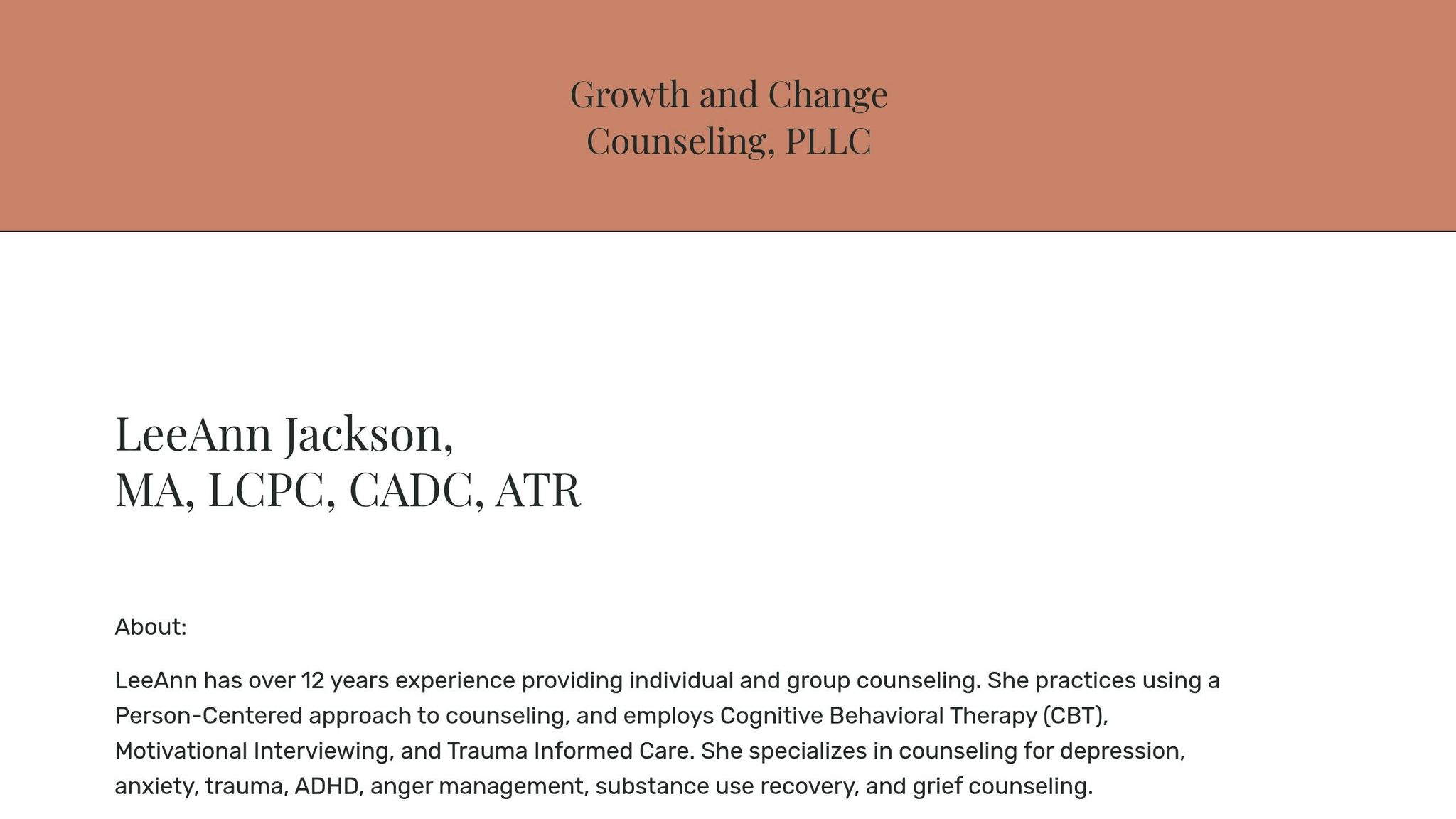
At Growth and Change Counseling, caregivers supporting a partner through addiction recovery can access a variety of services tailored to their needs.
Individual therapy offers a private space to address stress, anxiety, depression, trauma, and boundary-setting. Therapists can help you identify what’s within your control and what isn’t, easing feelings of guilt or over-responsibility for your partner’s sobriety. They also provide practical tools – like scripts for setting boundaries – that feel natural and safe to use.
For couples in crisis, Growth and Change Counseling provides couples counseling through The Marriage Rescue Institute, a structured 12-week program designed to rebuild trust, improve communication, and tackle recurring conflicts tied to addiction and recovery. This focused approach helps caregiving partners set realistic expectations, share responsibilities more fairly, and establish clear agreements about sobriety, relapse plans, and household boundaries.
Family therapy and parent coaching are also available to help families create a more stable and supportive environment. These sessions focus on reducing conflict, setting healthy limits, and aligning on strategies to support recovery. Additionally, specialized treatments address challenges like addiction, anxiety, depression, trauma, and neurodiverse relationships, ensuring that both caregivers and their partners can tackle substance use alongside underlying mental health or relationship concerns.
Services are offered in Campbell, CA; San Jose, CA; Los Angeles, CA; and Roseville, CA, as well as through telehealth across California. Individual sessions with a Licensed Marriage and Family Therapist are $200 for 45 minutes, while sessions with an Associate are $150. Sliding scale options start at $100 for those with financial need. For overwhelmed caregivers, beginning with individual therapy can help stabilize their emotional health, while couples counseling is ideal for addressing relationship conflicts or communication breakdowns.
Moving Forward Together with Growth and Change Counseling
Supporting a partner through addiction recovery is no small task. It’s normal to feel overwhelmed, frustrated, or even scared at times – those emotions don’t mean you’re failing. They’re simply part of the challenging reality of caregiving. But here’s the key: your well-being is just as important as your partner’s recovery. Prioritizing self-care, setting clear boundaries, and leaning on a strong support system can make all the difference for both of you.
Establishing healthy boundaries is crucial. It helps prevent burnout and avoids enabling harmful behaviors. This might mean saying no to requests that compromise your safety, refusing to shield your partner from the consequences of their actions, or being clear about what you’re willing to tolerate. These boundaries create a more balanced and stable environment, allowing you to stay grounded and communicate with greater clarity and calm.
Start small when it comes to self-care. Maybe it’s going to bed 30 minutes earlier, taking a short walk a few times a week, attending a support group meeting, or carving out time for an activity you enjoy. Write down your goal and share it with a trusted friend or therapist to stay accountable. Remember, you don’t have to navigate this alone. Peer support groups, family, and professional counseling can provide the guidance and encouragement you need.
If you find that self-care and support systems aren’t enough, don’t hesitate to seek professional help. Persistent stress that disrupts your daily life is a sign that additional support may be necessary. Growth and Change Counseling offers individual therapy, couples counseling through The Marriage Rescue Institute, and specialized services for addiction, anxiety, depression, trauma, and neurodiverse relationships. Available throughout California, these resources remind you that your well-being matters – and you don’t have to face this journey on your own.
FAQs
What are the signs of burnout and compassion fatigue in caregivers, and how can I recognize them?
Burnout and compassion fatigue often manifest as emotional exhaustion, a sense of being overwhelmed, or heightened irritability. You might find yourself feeling less empathetic, experiencing physical issues like headaches or persistent fatigue, or even feeling disconnected from your caregiving responsibilities. Spotting these signs early is crucial for safeguarding your well-being.
If these symptoms resonate with you, it’s important to focus on self-care and seek support. Small but meaningful actions – like setting clear boundaries, practicing mindfulness, or consulting a professional – can significantly help in preserving both your emotional and physical health.
How can I set healthy boundaries with my partner during their recovery?
Setting healthy boundaries with a partner in recovery begins with open, honest conversations. Share your needs and limits clearly, and encourage an environment of mutual respect. Consistently upholding these boundaries helps build trust and stability in the relationship.
Equally important is cultivating self-awareness – understanding your own emotional and physical limits. Make self-care a priority to safeguard your well-being, which, in turn, allows you to be a stronger source of support for your partner. If challenges arise, don’t hesitate to seek professional guidance to help maintain and reinforce these boundaries.
How do I know when to seek professional help for caregiver stress?
If you’re constantly feeling overwhelmed, anxious, depressed, or physically exhausted, it might be a sign to reach out for professional support. These emotions can make it harder to handle everyday responsibilities or care for others effectively. Taking action early can help protect your well-being and prevent burnout.
A professional can assist you in creating coping strategies, establishing healthy boundaries, and finding a balance between caregiving and self-care. Seeking help isn’t a sign of weakness – it’s a proactive way to care for yourself while continuing to support your loved one on their journey to recovery.
Related Blog Posts
- Addiction Recovery and Marriage Communication
- Boundaries for Addiction Recovery and Healthy Love
- How to Stop Enabling a Partner with Addiction
- Managing Boundaries in Addiction Recovery Telehealth
