If trauma from your past affects your relationship, you’re not alone – and there are ways to heal together. Childhood experiences like neglect, abuse, or unstable environments can create patterns that show up in adult relationships, such as fear of abandonment, emotional shutdowns, or difficulty trusting. These patterns, while rooted in survival mechanisms, can lead to cycles of conflict or disconnection between partners.
Here’s what you can do:
- Recognize trauma patterns: Understand how past experiences shape your reactions, like attachment styles (anxious, avoidant, disorganized) or emotional triggers.
- Communicate openly: Use calm, structured conversations to discuss triggers without assigning blame. Focus on "I" statements and shared understanding.
- Create emotional safety: Set boundaries, validate each other’s feelings, and establish routines that reduce uncertainty.
- Practice co-regulation: Help each other calm down during stress with grounding techniques, soothing touch, or steady breathing.
- Repair after triggers: Learn to apologize meaningfully and rebuild trust after conflicts.
- Seek professional help if needed: Trauma-informed therapy, like Emotionally Focused Therapy (EFT), can help couples break unhealthy cycles and rebuild connection.
Healing together isn’t about fixing one partner – it’s about creating a safe, supportive space where both can grow. Whether through self-help strategies or professional support, couples can move toward deeper trust and understanding.
Healing as a Couple When You Both Have Trauma:… by Aimee Daramus, PsyD · Audiobook preview
Recognizing Trauma Patterns in Your Relationship
Before you can change anything, you need to see it clearly. Trauma patterns often operate on autopilot, catching you off guard. One minute, you’re having a calm conversation, and the next, emotions like panic or anger seem to erupt out of nowhere. Spotting these patterns – both in yourself and your relationship – is a crucial first step. It lays the groundwork for understanding how these behaviors impact you individually and as a couple.
Individual Behaviors Caused by Trauma
Trauma leaves its mark on how we think, feel, and act in relationships. These responses are often rooted in survival strategies your nervous system developed early in life. Recognizing these behaviors in yourself and your partner allows you to approach them with compassion instead of judgment.
Attachment styles are one of the clearest signs of unresolved trauma. These include anxious, avoidant, and disorganized attachment patterns, all of which influence how you seek or avoid closeness. If you have an anxious attachment style, you might feel panicked when texts go unanswered, constantly seek reassurance, or worry your partner will leave. An avoidant attachment style may show up as pulling away during emotional conversations, needing lots of alone time, or feeling smothered by closeness. A disorganized attachment pattern involves swinging between craving connection and fearing it, which can leave both partners feeling drained and confused.
Emotional dysregulation is another common sign. This can look like intense emotional reactions that feel out of proportion to the situation – shifting from calm to furious in seconds, crying over minor disagreements, or feeling emotionally numb when you expect to care. Physical symptoms like a racing heart or muscle tension often accompany these reactions. These responses are usually tied to past threats, not the present moment.
Negative core beliefs such as "I’m not lovable" or "People always leave" can drive behaviors like testing your partner’s loyalty, seeking constant reassurance, or blaming yourself for problems in the relationship.
Hypervigilance is another hallmark of trauma. This means you’re always on the lookout for signs of danger, rejection, or criticism. You might overanalyze your partner’s tone, body language, or even a simple "fine", interpreting it as anger or abandonment. These reactions aren’t about control – they stem from a nervous system that learned long ago to protect itself from vulnerability.
Other behaviors tied to trauma include perfectionism (trying to avoid criticism by being "good enough"), controlling tendencies (managing every detail to feel secure), and chronic self-blame. In some cases, people turn to substances or other addictive behaviors to numb pain or cope with stress.
How Trauma Shapes Relationship Dynamics
Trauma-related behaviors don’t exist in a vacuum – they interact and create patterns that affect the entire relationship. These patterns often repeat, making it clear that the issue isn’t about one person being "broken" but about how these behaviors play out together.
One common dynamic is the pursue-withdraw cycle. Here, one partner seeks connection or resolution, while the other pulls away. For instance, the pursuing partner might repeatedly bring up issues, send multiple texts, or seek constant reassurance. Meanwhile, the withdrawing partner might avoid eye contact, say "I’m fine" to end the conversation, or retreat into silence. This cycle deepens feelings of abandonment and isolation for both.
Some couples experience escalating conflict instead. Both partners’ heightened emotional responses can fuel a spiral of shouting, accusations, or hurtful comments. This often leaves both feeling ashamed and disconnected. In other cases, the pattern might involve stonewalling or mutual avoidance – where conflicts are ignored, conversations stay superficial, and intimacy fades, leaving partners feeling more like roommates than lovers.
Trauma can also make repairing after conflict more challenging. Even when one partner tries to apologize or reconnect, the other might respond with mistrust or shame, leading to prolonged distance or repeated arguments. Past betrayals or inconsistent caregiving can reinforce beliefs like "People always hurt me", prompting behaviors like withholding information or testing the relationship.
How to Start Talking About Trauma Patterns
Once you’ve identified these patterns, the next step is to talk about them openly. These conversations require care and intention – they’re not about assigning blame but about understanding what’s happening so you can work together to change it.
Choose a calm moment. Don’t start this conversation during or right after an argument. Pick a time when you’re both relaxed, like during a quiet morning coffee or a peaceful evening walk.
Set boundaries and ground rules. Decide on a set time for the conversation – 20 to 30 minutes is a good starting point. Agree that either of you can pause the discussion if emotions run high. Commit to avoiding yelling, name-calling, or personal attacks. If one of you starts feeling overwhelmed, use a signal like saying, "I need a moment."
Focus on your own patterns first. Use "I" statements to share your experiences. For example: "I’ve noticed that when I feel stressed, I either cling to you or shut down. I think this might be connected to my past. What do you think?" This approach invites curiosity and avoids putting your partner on the defensive.
Reflect on a recent, minor conflict. Pick a disagreement that wasn’t too intense and break it down step by step. What triggered it? What were each of you feeling, thinking, and doing? How did it end? Giving the pattern a name – like "our pursue-withdraw dance" – can help you see it as a shared challenge rather than blaming one another.
Use language that reduces shame. Frame behaviors as protective responses instead of flaws. For instance, instead of saying, "You always shut me out", try, "I think when things get heated, you might go into protect mode and need space. That’s hard for me because it feels like you’re leaving."
Practice grounding techniques. Before starting the conversation, take a few deep breaths together or notice small details in your surroundings. If emotions rise during the discussion, pause and ground yourselves again. You might say, "I’m noticing I’m getting tense. Can we take a breath together?" This helps keep the conversation productive and connected.
End with one actionable step. Rather than trying to fix everything at once, agree on one small change to try next time. For example: "When I feel myself getting louder, I’ll try saying, ‘I’m feeling panicked’ instead of raising my voice", or "If I start shutting down, I’ll let you know I need a moment to gather my thoughts." These small steps can gradually create a more understanding and resilient relationship.
Creating Safety and Managing Emotions Together
Once you’ve identified trauma patterns in your relationship, the next step is building a sense of emotional safety. This creates the foundation needed to prevent conflicts from spiraling and supports long-term healing. Emotional safety means both partners feel physically secure, respected emotionally, and free to express feelings, needs, or past experiences without fear of ridicule, threats, or retaliation. It also involves having predictable ways to handle disagreements, keeping promises, and fostering vulnerability without the risk of shame or punishment.
When couples work through trauma together, the process often starts with establishing safety and stability before diving into deeper trauma processing. A secure environment helps reduce heightened emotional states, making it easier for both partners to stay present, manage their emotions, and rebuild trust. This groundwork makes future healing efforts much more effective.
How to Build Emotional Safety
Creating emotional safety starts with mutual agreements and clear communication. Establish ground rules that protect both partners during vulnerable moments. For example, use "I" statements like, "I feel uneasy when voices are raised," instead of assigning blame. Agree to avoid name-calling, sarcasm, or threats. If emotions escalate, take a timeout and revisit the conversation when both of you feel calmer. It’s also wise to avoid sensitive discussions when either partner is overly tired or under the influence of alcohol.
Setting boundaries around tone, volume, and body language can further protect feelings of safety. This could include agreeing not to yell, respecting requests for a break, and avoiding physically intimidating actions like blocking doorways. Some therapists recommend structured check-ins where each partner has uninterrupted time to share their thoughts, followed by a brief reflection period. For example, Growth and Change Counseling uses directive approaches through The Marriage Rescue Institute to help couples establish clear communication and conflict management strategies.
Simple reassurance phrases like "You’re safe with me" or "We’re on the same team" can help ease fears and reduce defensiveness. Validation also plays a key role – reflecting back what you’ve heard, naming emotions without judgment, and separating your partner from their trauma responses helps build trust and understanding.
Predictable plans for common scenarios, like how to handle being late or how to start and end disagreements, can reduce uncertainty – a common trigger for those with trauma. For instance, you might agree to send a quick text if running more than 15 minutes late or use a pre-agreed pause word like “yellow light” during heated arguments. Regular “state of the union” conversations can also help tackle tough topics calmly. Even simple routines like shared mealtimes or consistent bedtimes can ease stress and create a sense of stability.
Once you’ve established this secure environment, you can focus on helping each other stay calm and connected.
Co-Regulation Techniques for Couples
Co-regulation is the practice of helping each other calm down through presence, tone, breathing, and touch. It starts with recognizing early signs of distress – like racing thoughts, shallow breathing, or the urge to withdraw – and intentionally shifting into a calmer state. Sitting close, using a steady voice with phrases like "I’m here" or "Let’s slow down together," and taking slow, deep breaths can help maintain connection even during emotional moments.
Breathing exercises are particularly effective. Try inhaling through your nose for 4 seconds, holding for 2, and exhaling through your mouth for 6–8 seconds. Sitting side by side, you can lightly touch (if it feels safe) and count your breaths together for a few minutes. Grounding exercises, like the 5–4–3–2–1 method – naming five things you see, four you can feel, three you hear, two you smell, and one you taste – can also help bring you back to the present moment. Practicing these techniques regularly makes them easier to use when stress levels rise.
Consensual touch, like holding hands, a light hug, or a reassuring pat, can lower stress and heart rate. However, it’s crucial that any touch is openly agreed upon. Discuss with your partner ahead of time what kinds of touch feel comforting and what might be triggering. You could even create a “touch menu” with specific options. Simple verbal check-ins like, "Would touch feel helpful right now, or would you prefer space?" allow for connection while respecting boundaries.
Daily Routines That Support Healing
After creating safety and practicing co-regulation, daily routines can reinforce the healing process. Consistent routines, like keeping a steady sleep schedule, help stabilize mood and reduce irritability. If sleep is challenging, try creating a calming bedtime ritual together, such as dimming the lights and doing a brief grounding exercise.
Short, regular emotional check-ins – just 5–15 minutes – can prevent small issues from becoming bigger problems and keep the connection strong without rushing to “fix” anything.
Incorporating gentle movement, like walking, stretching, or yoga, can also help release tension and regulate the nervous system. Even brief but consistent physical activity can contribute to a more supportive and stable environment for healing.
sbb-itb-596b85d
Managing and Repairing After Trauma Triggers
Once you’ve laid the groundwork of emotional safety and co-regulation, the next step is learning how to handle and repair the moments when trauma triggers arise. Triggers are bound to happen – what matters is how you manage them and rebuild the connection afterward. When couples understand what triggers are, how to discuss them without assigning blame, and how to make meaningful apologies, moments of conflict can become opportunities to deepen trust and connection. Repairing together after a trigger strengthens the bond and builds resilience as a team.
What Triggers Are and How to Recognize Them
A trauma trigger is anything in the present – like a tone of voice, facial expression, or situation – that activates a survival response rooted in past trauma. For someone with a history of childhood trauma, these reactions are automatic and not a sign of being "overly sensitive" or "dramatic."
In relationships, common triggers might include a partner raising their voice (bringing back memories of past yelling or violence), perceived criticism (recalling shaming caregivers), a partner withdrawing or walking away (evoking feelings of abandonment), sudden changes in plans (reminiscent of chaotic or unsafe environments), or sexual advances that feel pressured (echoing past sexual trauma). These triggers can lead to intense reactions, such as arguments, defensiveness, shutting down, leaving the room, or people-pleasing at the expense of personal needs.
Recognizing triggers early can make a huge difference. Pay attention to four key areas: thoughts, emotions, body, and behavior.
- Thoughts: Look out for all-or-nothing thinking ("You never care about me"), catastrophizing ("This will ruin everything"), or old beliefs resurfacing ("I’m not safe", "I’m unlovable").
- Emotions: Sudden waves of fear, shame, anger, or panic that feel disproportionate to the situation – or going emotionally numb – are common signs.
- Body: Physical cues often appear first, like a tight chest, racing heart, stomach knots, shallow breathing, feeling hot or cold, trembling, or a sense of dissociation.
- Behavior: Reactions may include snapping, sarcasm, stonewalling, leaving the room, compulsively fixing things, or intense people-pleasing.
Creating a "trigger profile" can help you spot these signs early. Write down your personal triggers along with the thoughts, emotions, and physical sensations that accompany them. Share these lists with your partner and keep them somewhere private, like a journal or a shared digital note. This practice helps both partners catch triggers before they escalate into conflict.
How to Talk About Triggers Productively
When a trigger arises, how you communicate afterward is just as important as how you calm down in the moment. A structured conversation framework can help you address triggers without blame or defensiveness. Use these steps: Pause → Ground → Name → Share → Reflect → Plan.
- Pause: Either partner can call for a short timeout ("I’m feeling triggered; I need 10 minutes") to prevent escalation. This isn’t about avoiding the issue but ensuring the conversation happens in a constructive way.
- Ground: Each partner takes time to calm their nervous system. Use grounding techniques like deep breathing or other co-regulation methods.
- Name: The triggered partner briefly explains what happened: "When you raised your voice, I felt scared. It reminded me of being yelled at as a kid."
- Share: Expand on the experience using "I" statements. Focus on your emotions and physical sensations rather than blaming: "I felt small, my chest got tight, and I thought, ‘I’m not safe.’"
- Reflect: The listening partner mirrors back what they heard: "So when I raised my voice, it felt like being a scared child again?" Acknowledge and validate the feelings.
- Plan: Collaborate on a small adjustment for next time. For instance, "If my tone feels triggering, say ‘tone,’ and I’ll lower my voice." Or, "If either of us needs a break, let’s agree to respect it."
Outside of heated moments, schedule regular "trigger talks" in a calm setting. Share a few known triggers and the childhood experiences they connect to, as much as you’re comfortable. Define "green zones" (safe), "yellow zones" (caution), and "red zones" (crisis), including specific cues like clenched jaws or wanting to leave the room. Use code words or signals (like "pause" or touching your wrist) to flag rising triggers without needing lengthy explanations in the moment.
Agree on break rules in advance – how long breaks will last, where you’ll go, and when you’ll reconnect. This ensures breaks feel safe and not like abandonment, which is especially important for those with trauma histories involving neglect. Revisit these agreements monthly to adjust as needed. A weekly or biweekly "relationship meeting" can make these conversations feel routine and less intimidating.
Steps for Effective Apologies and Repair
Once the initial trigger has been addressed, the focus shifts to repairing the bond. Repairing after a trigger is more impactful than trying to avoid triggers altogether. A meaningful apology goes beyond a simple "sorry" and involves taking responsibility, acknowledging your partner’s feelings, and agreeing on ways to move forward.
Start by ensuring you’re both calm before initiating repair. Use self-soothing or co-regulation techniques to avoid re-escalating the situation. Then, follow these steps:
- Name the behavior specifically: "I’m sorry I raised my voice and slammed the door," rather than a vague "I’m sorry if you were upset." Specificity shows accountability.
- Take responsibility without defensiveness: Acknowledge the impact of your actions: "I know my yelling scared you." This separates your intent from the actual effect.
- Validate your partner’s feelings: Reflect their experience: "I understand that, given your history, my shutting down felt like abandonment."
- Express commitment: Reassure your partner: "You matter to me. I want us to feel safe together. Let’s work on this."
- Agree on behavior changes: Commit to actionable steps, like using a pause word when overwhelmed, lowering your voice instead of slamming doors, or checking in after a conflict.
A helpful tool is the post-trigger debrief, ideally done within 24 hours when both partners are calm. Briefly revisit the moment without assigning blame: "When we were discussing money, your tone got louder, and I felt my stomach drop." Identify the trigger and its connection to past experiences: "It reminded me of my dad yelling about bills." Share how it affected you emotionally and physically, using "I" statements. Both partners should acknowledge one thing they did that contributed to the conflict, even unintentionally. Then, decide together what could help next time – like taking breaks earlier or choosing a less stressful time for tough conversations. End with a caring gesture, such as a hug or a kind phrase: "Thanks for talking about this; I know it’s not easy."
This approach mirrors trauma-informed couples therapy, which focuses on understanding triggers, fostering empathy, and creating new patterns rather than assigning blame. Many couples find that consistently repairing after triggers leads to growth in their relationship – building empathy, trust, and a stronger sense of teamwork. Over time, this practice can transform how you handle conflict and strengthen your bond in ways that carry into every part of your relationship.
Getting Professional Help for Trauma Recovery
While earlier sections discussed strategies you can try at home, sometimes trauma can overwhelm even the best self-help efforts. That’s when professional support becomes essential. Knowing when to seek help and understanding what kind of assistance is available can be the turning point between feeling stuck and moving toward meaningful healing.
Signs You Need Professional Support
Not every relationship issue requires a therapist, but trauma-related challenges often do. Trauma can amplify conflicts, make them feel unresolvable, and leave both partners feeling unsafe. Here are some key signs that professional help might be necessary:
- Recurring conflict cycles: If you find yourselves stuck in the same arguments about trust, safety, or intimacy – despite trying to communicate differently – it’s often a sign that deeper trauma patterns are at play[1][2].
- Escalation of conflict: Yelling, threats, or any form of physical aggression during disagreements are red flags that professional intervention is needed immediately[1][2][3].
- Trauma-related symptoms: Nightmares, flashbacks, panic attacks, emotional numbness, or constant hypervigilance are indicators that trauma is actively affecting your relationship and daily life[1][5].
- Mental health struggles: Persistent issues like depression, anxiety, or PTSD that don’t improve with self-help or partner support signal the need for expert care[5].
- Unhealthy coping mechanisms: Turning to alcohol, drugs, or compulsive behaviors – such as excessive gaming, spending, or pornography use – to manage trauma-related stress is another sign that professional help is necessary[5].
- Avoidance or shutdown: If one or both partners consistently dissociate, go numb, or shut down during important conversations, a trauma-informed therapist can help create a safer space for dialogue[1][2][3].
- Unresolved childhood trauma: Experiences like neglect, abuse, or growing up in an environment with addiction can deeply impact trust and emotional safety in relationships. Professional guidance is crucial for addressing these patterns[1][3].
Recognizing these signs is a critical first step. A skilled therapist can help you break these cycles and rebuild connection.
How Growth and Change Counseling Helps Couples
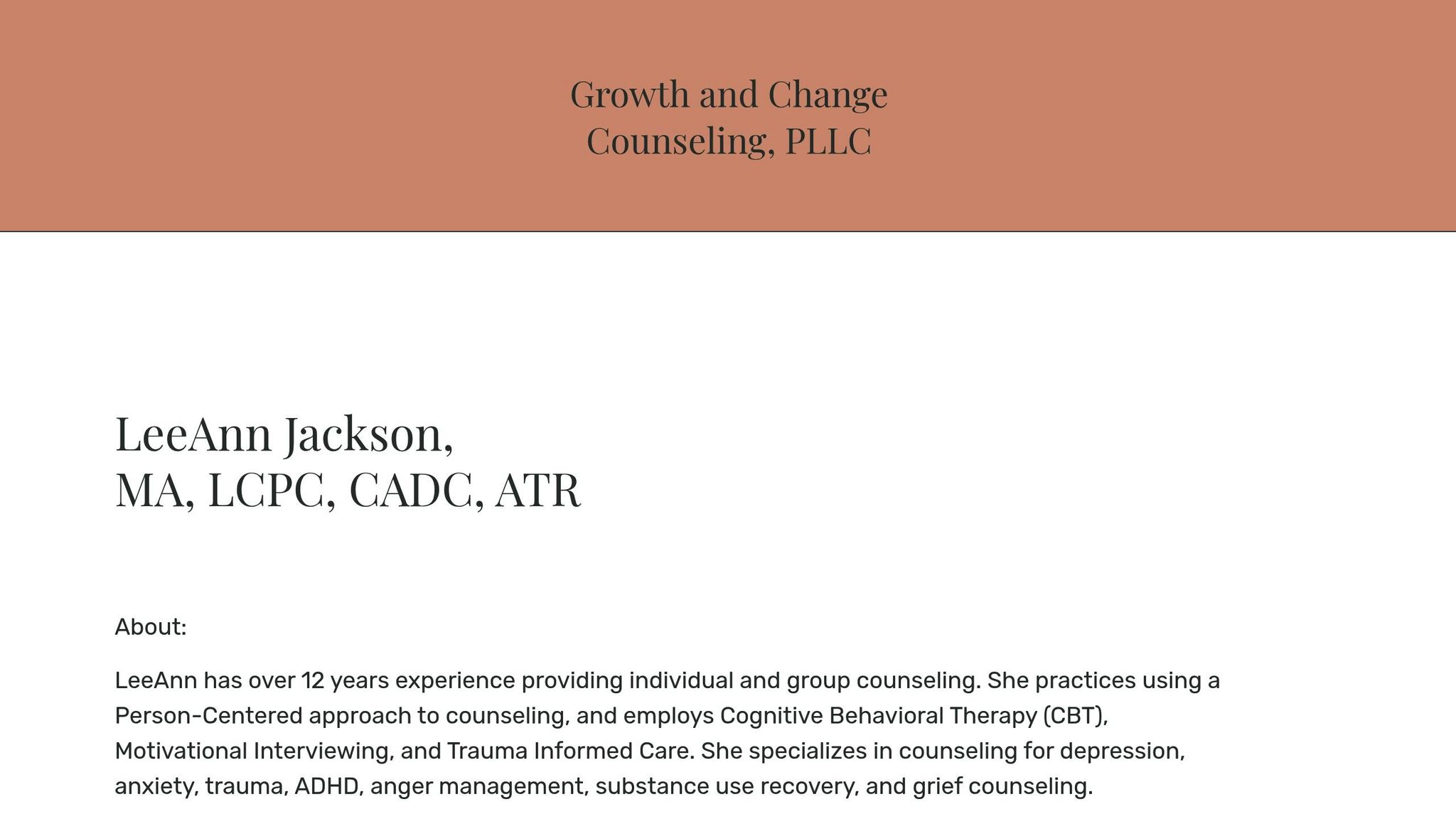
When you’re ready to seek help, finding the right kind of support matters. Growth and Change Counseling specializes in helping couples navigate trauma-related challenges, particularly for those in serious distress who need structured, goal-oriented care.
Their 12-week Marriage Rescue Institute program offers a clear, time-limited approach to repairing relationships. This program combines practical feedback, targeted assignments, and proven trauma recovery techniques to guide couples through a structured healing process.
"The Marriage Rescue Institute, our 12 week marriage program is in the habit of putting marriages in dire circumstances back together!" – John Kane, LMFT, Founder of Growth and Change Counseling
The program follows a three-stage trauma recovery model:
- Stabilization: Early sessions focus on identifying high-risk conflict patterns and teaching regulation techniques.
- Mapping and Healing: Mid-program work addresses trauma triggers and attachment injuries, helping couples understand and heal their pain points.
- Consolidation: Later sessions reinforce progress, create early warning systems, and develop repair plans to prevent future setbacks.
In addition to couples counseling, Growth and Change Counseling offers individual therapy, family therapy, and parent coaching. Individual therapy allows partners to address personal trauma history, symptoms like PTSD or anxiety, and develop self-regulation skills. Many couples find that combining individual and joint therapy accelerates progress and reduces reactivity during sessions.
The practice also provides specialized treatments for a variety of issues, including anxiety, depression, addiction, trauma, and neurodiverse relationships. This integrated approach ensures couples can access all the support they need without juggling multiple providers.
Therapists at Growth and Change Counseling use evidence-based methods like Emotionally Focused Therapy (EFT) – which research shows helps 70–75% of couples move from distress to recovery, with 90% showing significant improvement[1][2]. Other techniques include EMDR (Eye Movement Desensitization and Reprocessing), Cognitive Behavioral Therapy (CBT), and somatic approaches that focus on grounding and co-regulation[1][2][3][5].
Services are available in-person at locations in Campbell, San Jose, Los Angeles, and Roseville, California, as well as via telehealth across the state. Rates for individual therapy sessions start at $200 for a 45-minute session with a Licensed Marriage and Family Therapist (LMFT) or $150 with an Associate Marriage and Family Therapist (AMFT). Sliding-scale options are available, starting at $100 per session for those in financial need.
Building a Healing Plan Together
Once you’ve started working with a professional, creating a shared healing plan can help you maintain progress. A written plan acts as a roadmap, keeping both partners aligned on their goals and the steps needed to achieve them.
Start by setting 2–4 specific goals that matter to both of you. Instead of vague objectives like "communicate better", aim for actionable targets such as "respond to triggers without yelling", "rebuild physical intimacy with clear consent", or "have one calm check-in conversation per week." Write these goals down and revisit them monthly to assess progress.
Next, agree on weekly practices that support these goals. Examples include:
- Scheduled check-ins (e.g., a 15-minute weekly meeting)
- Co-regulation exercises like breathing or grounding techniques
- A weekly date night or connection ritual
- Individual self-care activities like therapy, exercise, or journaling
Consistency is crucial – small, regular actions can create lasting change over time.
Finally, create trigger maps for each partner. These simple documents outline your known triggers, early warning signs (such as specific thoughts, emotions, or physical sensations), and preferred responses from your partner. For instance: "When I hear a raised voice, I feel my chest tighten and think, ‘I’m in danger.’ I need you to lower your voice and give me space."
Conclusion: Moving Forward Together
Healing as a couple is an ongoing journey that requires commitment, patience, and mutual understanding. It’s not about striving for perfection but creating a space where both partners feel secure, valued, and better equipped to handle challenges together.
Progress often reveals itself in subtle ways. Maybe arguments don’t escalate like they used to, one of you can calmly say, “I’m triggered,” without defensiveness, or you successfully use a grounding technique as a team. These small victories represent meaningful growth in how you connect and support each other.
Research into trauma-informed couples therapy, particularly Emotionally Focused Therapy (EFT), highlights the potential for couples to develop stronger emotional bonds and reduce distress, even when trauma is part of the equation [1]. This kind of growth can transform your relationship into a more resilient and supportive partnership [2].
Setbacks don’t mean failure – they’re part of the process. When old patterns resurface during stressful times, like a tough week at work or an unexpected challenge, it doesn’t erase your progress. Instead, it’s a reminder that healing isn’t linear. What matters is how quickly you recognize these moments, respond to each other with care, and work to repair the connection [6]. Sticking to consistent routines can help maintain that sense of safety and bond [4].
Professional guidance can be a game-changer. If unresolved conflicts, trauma symptoms, or recurring shutdowns keep derailing important conversations, a trauma-informed therapist can help break these cycles. Growth and Change Counseling’s 12-week Marriage Rescue Institute offers targeted, structured support for couples navigating serious challenges. Services are available in Campbell, San Jose, Los Angeles, and Roseville, as well as through telehealth across California.
Combining professional help with daily self-work strengthens healing on both individual and shared levels [1]. Individual therapy can address personal trauma, while couples counseling fosters your connection. Many couples find that using both approaches together accelerates progress and reduces emotional reactivity during tough moments.
The path forward isn’t always easy, but it’s worth it. Together, you’re creating a partnership where past wounds no longer dictate how you respond today, where challenges become opportunities to grow stronger as a team. This is the promise of trauma recovery for couples: not a perfect relationship, but one built on safety, mutual understanding, and shared resilience.
Navigating Trauma Recovery with Growth and Change Counseling
How can couples recognize if their relationship struggles are linked to past trauma?
Unresolved childhood trauma can quietly shape the dynamics of a relationship, even when it’s not immediately apparent. Couples may find themselves stuck in recurring arguments, struggling to trust one another, or reacting intensely to certain situations. These patterns often hint at past experiences influencing the present.
Taking a closer look at personal histories and how they impact communication, trust, and emotional bonds can help uncover these hidden issues. Professional support, like couples counseling, can offer practical tools and guidance to navigate these challenges and work toward healing as a team.
How can couples create a sense of emotional safety in their relationship?
Creating a sense of emotional safety in a relationship takes effort and understanding from both sides. A great place to start is by practicing active listening – truly hearing your partner without interrupting or jumping to conclusions. This not only builds trust but also makes each person feel valued and understood.
Pay attention to how you handle tough conversations. Instead of pointing fingers, use "I" statements to share your feelings. For example, say, "I feel upset when…" rather than "You always…". This way of communicating lowers the chance of defensiveness and encourages a deeper connection.
Equally important is being consistent and dependable in your actions. When you keep your promises and remain emotionally present, you create a stable space where both partners can feel secure enough to open up and be vulnerable.
When should couples seek therapy for trauma recovery, and what benefits can they expect?
Couples may want to explore therapy for trauma recovery if past experiences are straining their relationship, communication, or emotional bond. Common signs include ongoing arguments, a sense of emotional distance, or struggles with trust and intimacy.
Therapy offers a safe space for couples to unpack the effects of trauma, rebuild trust, and learn healthier ways to connect. At Growth and Change Counseling, couples can benefit from The Marriage Rescue Institute – a dedicated 12-week coaching program aimed at helping partners in difficult situations rebuild and strengthen their relationship.
Related Blog Posts
- Relationship Trauma: Root Causes and Solutions
- 5 Trauma-Informed Communication Tips for Couples
- Trauma and Depression in Marriage: Key Connections
- Couples Therapy for Trauma Recovery
