Too much screen time can quietly damage your marriage. Here’s why: excessive phone use leads to emotional distance, more arguments, less intimacy, jealousy from social media, and avoidance of tough conversations. Research shows that couples with heavy phone habits report lower relationship satisfaction (up to 25% decline) and are more likely to face divorce (26% vs. 7% for healthier phone users). Even having a phone visible during conversations can reduce connection and trust.
Key Takeaways:
- Emotional disconnect grows when screens take priority over shared moments.
- Frequent arguments about device use signal unresolved frustrations.
- Phones in the bedroom reduce physical intimacy and closeness.
- Social media creates jealousy and unrealistic comparisons.
- Screens often become an escape from addressing deeper issues.
What You Can Do:
- Set phone-free zones (like the bedroom or dining table) and times.
- Replace screen time with meaningful activities like walks or shared hobbies.
- Have open, honest conversations about screen habits and their impact.
- Seek professional help if these steps don’t work.
Taking action now can rebuild trust, improve communication, and strengthen your bond. If needed, counseling services like Growth and Change Counseling offer tailored support to help couples navigate these challenges.
How Screen Time Affects Marriages
Screen Time Has Increased in Daily Life
Smartphones, tablets, and laptops have transformed how married couples spend time together, often in ways that create tension. The statistics are telling: in Europe, 70% of couples report conflicts related to screen time[2]. In the United States, couples who spend over two hours a day on social media often experience more arguments about phone use and less quality time together[3]. Screens have shifted from being occasional distractions to ever-present companions, redefining how couples interact daily.
Social media complicates things further. Many couples find themselves comparing their lives to the polished, curated moments they see online. This can lead to unrealistic expectations and even jealousy, adding stress to their relationship[3]. When one partner is glued to their device during moments meant for connection, it sends a clear signal: their attention is divided, and emotional availability is lacking. Over time, these small disruptions contribute to larger, more serious relationship struggles.
Why Screen Time Damages Relationships
Excessive screen time doesn’t just interrupt daily life – it chips away at the foundation of a healthy relationship. Research shows that heavy smartphone use correlates with up to a 25% drop in reported relationship satisfaction[3]. Even the simple act of having a phone visible during a conversation can reduce feelings of closeness and connection, according to a study by Przybylski and Weinstein[2]. A phone on the table might seem harmless, but it creates a subtle barrier that can make genuine interaction feel less meaningful.
Active phone use makes the problem worse. Constantly checking a device reduces meaningful communication, lowers the perception of partner attentiveness, and diminishes satisfaction in shared activities[3]. Screens don’t just disrupt emotional connection – they can also interfere with physical intimacy. When devices make their way into the bedroom, they often replace opportunities for closeness and sexual connection[2]. Over time, this lack of physical affection can strain the relationship further, as touch is a key element of emotional and physical bonding[2].
Another serious consequence is emotional disengagement. When partners are physically present but mentally absorbed in their screens, it creates a void. This can lead to feelings of loneliness and even abandonment[2]. These moments of inattentiveness don’t just harm day-to-day interactions – they also prevent the deeper conversations and shared experiences that help strengthen a relationship.
Screens also act as both a trigger and a crutch in modern relationships. They often spark arguments – whether about how much time is spent on them or the content being consumed. At the same time, they offer an easy escape from confronting deeper issues[2]. This avoidance can leave unresolved problems to fester, building resentment over time. Alarmingly, about 26% of couples who struggle with screen time worry their marriage could end in divorce, compared with just 7% of couples who don’t face these challenges[4].
The signs of these breakdowns can be subtle: less eye contact, slower responses, missed emotional cues, and fewer physical touches. But over time, these small cracks can grow, leaving couples feeling like they’re living separate lives instead of sharing one[3].
5 Warning Signs Screen Time Is Hurting Your Marriage
Emotional Distance During Time Together
Picture this: your spouse is sitting right next to you on the couch, but instead of talking or sharing a moment, they’re glued to their phone, scrolling endlessly. Sure, you’re physically together, but emotionally? Not so much. When one partner prioritizes checking messages or browsing social media over meaningful conversation, the connection begins to fade.
You may notice reduced eye contact or delayed responses when you try to share something important. Maybe they nod while staring at their screen, but their attention isn’t really on you. Over time, this behavior can leave you feeling ignored or undervalued. Studies even show that constant social media use can create feelings of emotional neglect in relationships[3]. And it’s not just the time lost to screens – it’s the emotional gap that grows in its place. This disconnect can snowball into other relationship issues, as you’ll see below.
More Arguments About Device Use
Does it feel like every other argument revolves around phones or gaming? If so, you’re not alone. Frequent fights about device use often point to deeper cracks in the relationship. What might start as a small comment – “You’re always on your phone!” – can quickly escalate into full-blown arguments. Research backs this up: couples with higher levels of tech use tend to experience more frequent and intense conflicts[2].
Maybe your partner stays up late playing games while you go to bed alone, or perhaps they’re answering work emails during dinner. Even something as seemingly small as liking or commenting on certain social media posts can spark tension. These recurring disputes are often a sign of unresolved frustrations. In fact, couples who spend more than two hours a day on social platforms report higher rates of arguments about screen time[3].
Less Physical Intimacy and Connection
Screens don’t just interrupt conversations – they can creep into the bedroom and push physical intimacy to the back burner. When devices infiltrate spaces meant for connection, they often take priority over affection and closeness[2]. For instance, your partner might scroll through social media in bed instead of cuddling, or fall asleep with their phone in hand, leaving little room for intimacy.
Even small acts of affection, like holding hands or sharing a hug, can dwindle when digital distractions take over. Research shows that couples dealing with frequent digital interruptions are 30% more likely to feel emotionally disconnected during intimate moments[3]. When reaching for a phone becomes a morning or bedtime habit, it sets a pattern where technology overshadows the relationship.
Comparison and Jealousy from Social Media
Social media doesn’t just create physical distance – it can stir up emotional turbulence, too. Curated, picture-perfect posts often lead to unrealistic expectations, and it’s easy for jealousy to creep in[3].
For example, you might feel uneasy about your partner’s online interactions – wondering why they’re commenting on certain posts or messaging late at night. Over time, maintaining separate online lives can chip away at trust. Suspicion may replace openness, especially if your spouse engages with content that sparks emotions they don’t share with you. These behaviors can create a divide, leaving couples feeling like they’re living parallel lives rather than a shared one[2][3].
Using Screens to Avoid Difficult Conversations
Perhaps the most troubling sign is when screens become an escape from tough conversations. If your partner reaches for their phone instead of addressing important issues, it’s a red flag. Whether it’s finances, parenting disagreements, or deeper relationship concerns, using a device as a distraction allows unresolved problems to pile up[2].
This avoidance can send a clear, though unspoken, message: “I don’t want to talk about this.” Over time, these moments of retreat can build resentment. The emotional distance grows, and the ability to resolve conflicts weakens. Research shows that about 25% of couples who struggle with phone overuse believe their marriages could end in divorce, compared to just 7% of couples without this issue[4]. What starts as a way to dodge uncomfortable discussions can eventually erode the foundation of the relationship, leaving one or both partners feeling unheard and unsupported.
Your Phone Is Ruining Your Relationship | Mobile Device Distraction
sbb-itb-596b85d
How to Fix Screen Time Problems in Your Marriage
Screens can quietly erode the bond between partners, but it’s entirely possible to reclaim that connection without giving up technology. By recognizing the impact of excessive screen use and adopting intentional strategies, you can restore intimacy and strengthen your relationship.
Create Rules for Device Use
Setting boundaries around screen use is a powerful first step. Establish device-free zones in your home, like the bedroom or dining area. Keeping phones out of the bedroom encourages physical closeness, while banning devices during meals ensures you’re both fully present. Beyond these spaces, carve out phone-free times during the day – such as during meals, the first hour after waking, or the hour before bed. Research shows that too much screen time can disrupt communication and quality time [3].
To make this more manageable, agree on specific times to check devices. For example, limit work emails to set intervals or reserve social media browsing for a short window in the evening. Tools like screen time tracking apps can help monitor usage and set shared goals for cutting back.
Spend Quality Time Together
Simply creating rules isn’t enough – you need to replace screen time with meaningful activities. Plan regular, device-free moments that let you connect without distractions. Activities like cooking together, going for a walk, or playing a board game can go a long way in rebuilding your bond. Treat these moments like appointments: schedule them two to three times a week and stick to them. Over time, these shared experiences can help you rediscover the joy of undistracted interaction.
Talk Openly About Screen Habits
Honest conversations are essential for lasting change. Approach discussions about screen use as a shared challenge rather than pointing fingers. Choose a calm, screen-free moment to talk about how your habits affect your relationship. Use "I" statements, like "I feel disconnected when we’re on our phones during dinner", to keep the conversation constructive. Ask open-ended questions, such as, "How do you think our screen time affects us?" or "What changes would help you feel closer?"
Transparency about your own habits can build trust, and regular check-ins – perhaps monthly – can help track progress and refine your approach. If these conversations repeatedly lead to conflict or if one partner resists change, consider seeking professional guidance. Sometimes, an outside perspective can be invaluable in navigating these challenges.
When to Get Professional Help
Sometimes, the challenges caused by screen time in a marriage go beyond what honest conversations and boundary-setting can fix. If your efforts to reconnect haven’t worked, it might be time to consider professional help. Seeking expert guidance can provide the tools and perspective needed to move from a struggling relationship back to one that feels fulfilling.
Signs You Need Counseling
Ongoing conflict about screen use is often a red flag that outside support is necessary. If arguments about phones or devices have become a regular issue rather than an occasional disagreement, it’s worth seeking help. Research reveals that 62% of Irish adults believe mobile phone use negatively impacts their relationships, and across Europe, 70% of couples report conflicts related to screen time [2].
Another sign is emotional distance that doesn’t improve despite your efforts. If conversations about how devices are affecting your connection haven’t led to meaningful change, professional intervention could be the next step. The numbers tell a clear story: only 59% of married adults whose partners frequently use their phones describe themselves as "very happy" in their marriage, compared to 81% of those without this issue [4].
Struggling to set or stick to boundaries is another indicator. If you and your partner can’t maintain the limits you’ve agreed on, a therapist can help uncover what’s preventing success and guide you toward strategies that work for your unique situation. Similarly, when one partner uses screens to avoid tough conversations, it creates a cycle where problems remain unresolved, and devices become both a distraction and a barrier. Breaking these patterns often requires professional support.
The statistics highlight the seriousness of this issue: 21% of married adults with a partner who overuses phones report being unhappy in their relationship, compared to only 8% of couples without phone-related issues [4]. If this resonates with your experience, don’t hesitate to reach out for help.
How Growth and Change Counseling Can Help
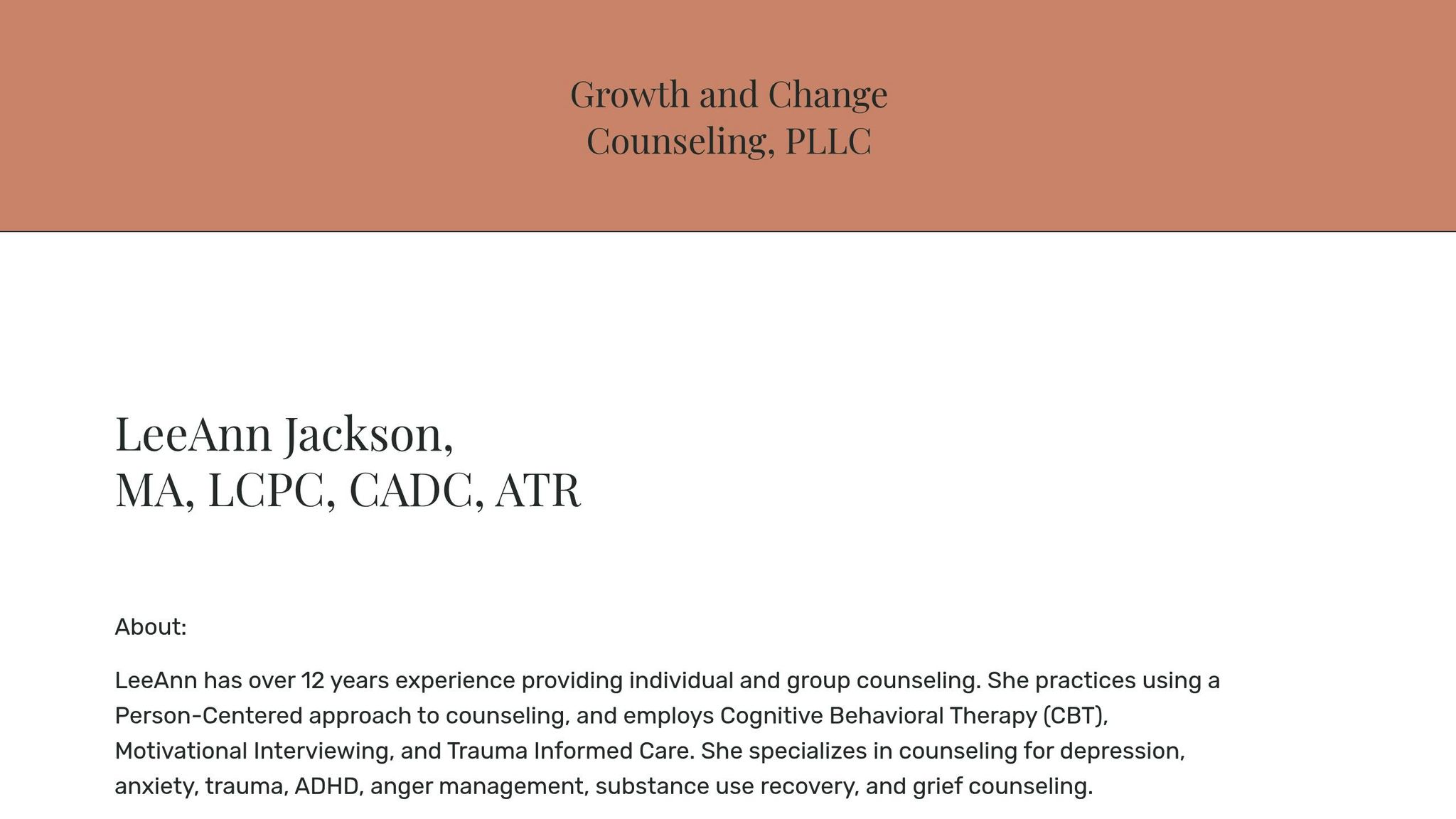
When self-help methods aren’t enough, therapy can provide the structure and expertise needed to address these challenges. Growth and Change Counseling specializes in helping couples navigate the complex dynamics of screen time and its impact on relationships. Their approach recognizes that device-related conflicts often reflect deeper issues – or create new ones that threaten the foundation of a marriage.
The Marriage Rescue Institute offers a 12-week couples coaching program designed to tackle these challenges head-on. This intensive process focuses on rebuilding connection, addressing emotional distance, and breaking harmful patterns caused by screen overuse. Over the course of the program, couples work through the full cycle – from understanding how screen habits affect their relationship, to setting effective boundaries, to restoring intimacy and communication.
This solutions-oriented approach is tailored to each couple’s specific needs. Therapists help identify the ways screen time has affected your relationship and guide you in creating healthier habits. They also address the communication breakdowns that screens can both hide and worsen, helping you and your partner navigate the tough conversations you may have been avoiding.
"I am passionate about helping people to have the couples and family relationships that they long for because I believe that we are relational beings that can be made whole when we have healthy connection to others."
– John Mark Kane, LMFT #134414, Founder of Growth and Change Counseling
In addition to couples therapy, Growth and Change Counseling offers support for issues like media addiction, anxiety, and depression – challenges that often accompany or result from excessive screen use. If compulsive behaviors around social media, video games, or internet use are affecting your marriage, they provide targeted treatment options.
Services are available in Campbell, San Jose, Los Angeles, and Roseville, with telehealth options throughout California. The practice accepts insurance from major providers like Anthem Blue Cross, Aetna, United Health Care, and Cigna. Individual therapy sessions start at $200 for a 45-minute session with a Licensed Marriage and Family Therapist (LMFT) or $150 with an Associate Marriage and Family Therapist (AMFT). Sliding scale options are available, with rates as low as $100 per session for those in financial need.
Research shows that couples who reduce their social media use report 11% higher satisfaction in their marriages [3]. Seeking professional help isn’t a sign of failure – it’s a proactive step toward healing and rebuilding the connection you both deserve.
Reclaim Your Connection with Growth and Change Counseling
Screen time can be a serious hurdle in modern marriages, but it’s a challenge you can tackle. As discussed earlier, too much time on devices can lead to emotional distance, conflicts, and a drop in intimacy. Be mindful of the warning signs: feeling disconnected during time together, frequent arguments about device use, a decline in physical closeness, jealousy fueled by social media, or using screens to dodge important conversations.
The numbers paint a clear picture of why this matters. Only 59% of married adults with a spouse who’s often on their phone say they’re "very happy" in their marriage, compared to 81% of those without phone-related issues. Even more concerning, 26% of couples who struggle with phone boundaries worry about divorce, while that number drops to just 7% for those without such problems [4]. These stats highlight the urgency to take action.
Start making changes to reconnect. Simple steps like creating phone-free zones during meals or before bed, setting aside regular device-free quality time, and having open conversations about screen habits can make a big difference. Research shows that couples who cut back on social media see an 11% increase in marital satisfaction [3].
Try one small change this week. Talk to your spouse about how screens are affecting your relationship, and plan a device-free activity together. Whether it’s enjoying dinner without phones, taking a walk without checking notifications, or turning off devices an hour before bed, see if it helps you feel more connected. You might find yourselves talking more, laughing together, or simply feeling closer.
If these efforts don’t seem to work, professional counseling can provide the guidance you need. Growth and Change Counseling offers specialized support through The Marriage Rescue Institute’s 12-week program, designed to help couples navigate the impact of technology. Seeking help isn’t about admitting defeat – it’s about prioritizing your relationship and finding a way forward.
"Life is too short to keep feeling miserable when there’s another way!" [1]
Don’t let screen time drive a wedge between you and your partner. Whether through small changes or professional help, take steps today to rebuild your connection and strengthen your marriage. Growth and Change Counseling is here to support you every step of the way.
FAQs
How can I talk to my partner about screen time without starting an argument?
Discussing screen time with your partner can be tricky, but a thoughtful, understanding approach can make all the difference. Pick a quiet moment without distractions to bring up the topic. Use "I" statements to share your feelings, like: "I’ve been feeling a bit disconnected lately and was hoping we could talk about spending more quality time together." This way, you focus on your emotions and shared goals rather than assigning blame.
It’s equally important to listen to your partner’s perspective. Together, you can brainstorm ideas, such as limiting device use during meals or setting a no-phone rule before bed. Tackling the issue as a team allows you to build healthier habits that bring you closer.
What are some practical ways to cut back on screen time and strengthen your marriage?
Reducing screen time can be a powerful way to reconnect with your partner and bring back a sense of closeness. One simple step is to establish screen-free times or zones in your home. For instance, keep devices away during meals or make the bedroom a no-screen sanctuary. These moments create space for genuine conversations and shared experiences.
Another idea is to explore screen-free activities together. Try cooking a meal as a team, taking a relaxing evening walk, or dusting off an old board game for some friendly competition. Planning regular date nights without phones can also help you focus entirely on each other, strengthening your bond.
If cutting down on screen time feels like an uphill battle, professional guidance might be worth considering. Couples counseling, like the services offered by Growth and Change Counseling, can provide personalized strategies to help rebuild intimacy and improve your relationship.
How do you know when screen time is negatively affecting your marriage, and when should you seek professional help?
If you notice that too much screen time is creating distance in your marriage – whether through reduced communication, emotional disconnection, or frequent arguments – it could be a signal that it’s taking a toll. Other red flags might include feeling overlooked, putting devices ahead of your partner, or finding it hard to enjoy quality time together without interruptions.
If these challenges continue despite your efforts to resolve them, seeking help from a professional, like a couples counselor, might be a good step. A therapist can offer tools to improve communication, establish healthier tech boundaries, and work on rebuilding the emotional closeness in your relationship.
Related Blog Posts
- How Addiction Impacts Marital Stability
- Q&A: Managing Anger and Communication in Marriage
- Ultimate Guide to Resilient Marriages
- Ultimate Guide to Anxiety in Marital Communication
