Mindfulness can help couples in addiction recovery rebuild trust, improve communication, and better manage emotional challenges. By focusing on the present moment, practicing non-judgmental listening, and cultivating compassion, couples can support each other through the ups and downs of recovery.
Here’s why mindfulness matters in this context:
- Reduces relapse risk: Mindfulness helps individuals recognize cravings and respond thoughtfully rather than impulsively.
- Improves emotional regulation: Both partners can better manage stress and triggers, creating a more stable environment.
- Strengthens connection: Practices like mindful listening and shared breathing deepen intimacy and trust.
Practical exercises, such as synchronized breathing, active listening, and grounding techniques, make mindfulness accessible. Couples can start small, incorporating mindfulness into daily routines or using it during conflicts to maintain calm and clarity. Professional guidance, like therapy sessions, can further enhance these practices, offering tailored strategies for long-term success.
Mindfulness isn’t just a tool for recovery – it’s a way to rebuild and strengthen relationships affected by addiction.
LIVE Using Mindfulness in Addiction Recovery| Discussion with Doc Snipes for Recovery Month
Basic Mindfulness Principles for Couples
Grasping the core principles of mindfulness offers couples a practical way to improve their relationship, especially when navigating the challenges of addiction recovery. These principles aren’t just theoretical – they’re actionable strategies that can reshape how partners connect and support each other.
Present-Moment Awareness
Present-moment awareness is all about staying focused on the here and now, rather than dwelling on past regrets or worrying about what’s ahead. For couples in recovery, this focus helps maintain a strong connection, even during difficult times.
Practicing present-moment awareness as a team can prevent one partner from becoming trapped in guilt over past actions or anxiety about the future. Instead, it allows both partners to fully engage in the current moment – whether that’s through a conversation, shared breathing, or simply being there for one another.
Research highlights that mindfulness practices can reduce anxiety and increase awareness of bodily sensations and emotions, which directly supports better outcomes in addiction recovery [4]. By staying present, couples can also learn to observe their experiences without rushing to judgment.
Non-Judgmental Observation
Non-judgmental observation means noticing your thoughts, feelings, and actions without immediately labeling them as good or bad. This principle can be a game-changer for how couples communicate, especially when emotions run high during recovery.
For instance, if your partner confides in you about a struggle or craving, responding without criticism or blame can make all the difference. Instead of reacting defensively, you can simply acknowledge what’s being shared. This creates a safe space for honest dialogue and reduces misunderstandings. Mindful listening – paying full attention without interrupting or judging – has been found to improve relationship satisfaction and foster deeper connections in couples recovering from addiction [3].
During conflicts, pausing to reflect on your own emotions before responding can also help. This naturally leads to practicing acceptance and compassion.
Acceptance and Compassion
Acceptance and compassion are essential for couples navigating the recovery process. This doesn’t mean condoning harmful behaviors, but rather approaching challenges with understanding instead of judgment.
Recovery often comes with setbacks, and couples who practice compassion can better weather these difficulties together. If one partner has a tough day or even relapses, responding with empathy rather than anger can preserve trust and encourage continued progress [3][5].
Acceptance also involves acknowledging that healing isn’t a one-size-fits-all journey. One partner might feel ready to rebuild intimacy, while the other may still need time to process their emotions. By respecting these differences and avoiding pressure or resentment, couples can support each other’s individual paths toward healing.
Mindfulness helps shift perspectives, reducing negativity and fostering gratitude [3][4]. When couples approach each other with compassion, they create a safe environment where both partners feel supported in their growth and recovery.
Together, the principles of present-moment awareness, non-judgmental observation, and acceptance with compassion lay the groundwork for a relationship built on trust and resilience. By embracing these practices, couples not only strengthen their recovery journey but also create a deeper, more meaningful connection.
Mindfulness Exercises for Couples in Recovery
Building on earlier mindfulness principles, these exercises provide practical ways to support your recovery journey as a couple. Studies show that these practices can enhance emotional regulation and lower the risk of relapse [8].
Mindful Breathing
Mindful breathing is a cornerstone of mindfulness practices, offering couples a simple, effective way to connect and calm their minds. It helps both partners stay grounded in the present moment.
One technique to try is synchronized breathing. Sit comfortably facing each other in a quiet space. You can close your eyes or maintain soft eye contact – whatever feels most natural. Begin with box breathing: inhale through your nose for four counts, hold your breath for four counts, exhale for four counts, and hold again for four counts. This rhythm helps anchor your focus. If your mind drifts, gently bring your attention back to your breath. Start with 5–10 minutes and increase the duration as you feel comfortable.
For stressful moments, a shorter version can work wonders. Even 2–3 minutes of synchronized breathing before meals, during arguments, or when one partner feels overwhelmed can make a noticeable difference. Setting phone alarms or leaving sticky note reminders can help you incorporate this practice into your daily routine [3][5].
This shared focus on the present creates a strong foundation for mindful communication.
Mindful Communication
Once you’ve calmed your mind with synchronized breathing, you can shift to mindful communication to strengthen your connection. Mindful communication emphasizes active listening and staying present, transforming the way couples interact. Unlike regular conversations, this practice involves one partner speaking while the other listens without interrupting, judging, or planning their response.
A helpful exercise is "mirroring." Set a timer for two minutes. One partner shares their thoughts or feelings while the other listens attentively. When the speaker is done, the listener reflects back what they heard before responding. Then, switch roles and repeat. This process fosters understanding and empathy.
"I can say that he makes a difference in our life (me and my husband find the tools to communicate each other productively; which hardly ever happened before.)" – Cindy Wang, Client of Growth and Change Counseling [1]
Another effective approach is using "I feel" statements instead of blame-filled language. For example, saying "I feel overwhelmed when…" instead of "You always…" can reduce defensiveness and create space for meaningful dialogue. Research shows that mindful listening improves relationship satisfaction and deepens connections, especially for couples recovering from addiction [3].
By focusing on emotions and needs rather than accusations, partners can pause, breathe, and respond thoughtfully instead of reacting impulsively. This practice of active listening sets the stage for managing intense emotions through grounding techniques.
Grounding Techniques for Emotional Overwhelm
To complement mindful breathing and communication, grounding techniques can help you stay present during emotional highs. These methods provide quick relief during moments of intense emotions, cravings, or conflict.
The 5-4-3-2-1 technique is a simple and effective option. If either partner feels overwhelmed, name five things you can see, four things you can feel (like the texture of your clothing or the sensation of air), three things you can hear, two things you can smell, and one thing you can taste. This shifts your focus from inner turmoil to your immediate surroundings.
Physical grounding is another powerful tool for couples. Holding hands to feel each other’s warmth or firmly planting your feet on the ground can help you stay connected to the present. You might also place a hand on each other’s shoulder while breathing deeply together.
Breathing with touch combines mindful breathing with physical connection. One partner places a hand on the other’s heart while both take slow, deep breaths. This method helps regulate both nervous systems and fosters a sense of safety and support.
During conflicts, agreeing to pause and practice grounding techniques can prevent things from escalating. These moments of calm allow both partners to return to a more centered, balanced state [3][5]. Practicing these exercises regularly builds the skills needed to handle tough situations as a team.
sbb-itb-596b85d
Making Mindfulness Part of Daily Life as a Couple
Incorporating mindfulness into your daily routines can strengthen your connection and support recovery. By intentionally practicing mindfulness together, you can create habits that promote calm and deepen your bond over time [7].
Building a Regular Mindfulness Routine
Establishing a mindfulness routine starts with finding a time that works for both of you. Many couples prefer mornings to set a positive tone for the day or evenings to unwind together. Start small – just 5–10 minutes a day – and gradually extend the time as you grow more comfortable.
Set reminders to help you stay on track, and choose a quiet, distraction-free spot in your home, whether it’s a cozy corner, the bedroom, or the living room. The key isn’t the location itself but maintaining consistency in your practice.
Begin with simple exercises like synchronized breathing or brief body scans. As you grow more confident, expand your routine with mindful movement, such as gentle stretching or yoga. You could also add moments of gratitude, where each of you shares something you appreciated about the day or your relationship.
Life can be unpredictable, so flexibility is essential. If you miss a session, don’t let it derail your progress. Instead, integrate mindfulness into other activities – like sharing a meal or taking a walk together. The goal is to focus on consistency, not perfection. Over time, many couples find that their mindfulness practice becomes a cherished part of their day, providing a sense of calm and connection.
Using Mindfulness During Conflict
Mindfulness isn’t just for peaceful moments – it’s a powerful tool during conflicts as well. Disagreements are a natural part of any relationship, but mindfulness can help you approach them with greater awareness and control. Instead of reacting impulsively, mindfulness encourages you to pause, recognize your emotions, and respond thoughtfully [9].
When tensions rise, try agreeing on a "mindful minute." Pause the conversation and spend 60 seconds focusing on your breath or physical sensations. This short break can help both of you calm down and approach the issue with a clearer mindset.
Another simple technique is to take three deep breaths before responding. This helps regulate your emotions and prevents knee-jerk reactions [2][3]. Naming your feelings – like acknowledging frustration without assigning blame – can also shift the tone of the conversation toward understanding.
Physical grounding techniques can be especially helpful. Focus on the feeling of your feet on the floor, notice the air on your skin, or place a hand on your chest while taking deep breaths. These small actions keep you present and prevent anger or hurt from taking over.
Discussing these strategies during calm times ensures you’re both prepared to use them when conflicts arise. Having these tools ready makes mindfulness feel like a natural, supportive part of your relationship, even in challenging moments.
Supporting Each Other’s Growth
As you build a mindfulness routine, supporting each other’s journey can strengthen your bond. Personal growth is just as important as shared practice, and celebrating each other’s progress – no matter how small – can boost motivation and deepen intimacy.
For instance, acknowledging when your partner regularly practices mindfulness or handles a tough situation calmly can reinforce positive habits [6]. Regular check-ins about your mindfulness routines can also help maintain progress and keep you connected.
If one of you struggles with consistency or feels frustrated, approach the situation with understanding. Recovery is a process with ups and downs, and mindfulness takes time to develop. Encouragement – rather than criticism – can make all the difference in staying committed.
Setting shared goals can further enhance your practice. You might decide to practice mindfulness together most days while allowing space for individual routines on others. Some couples even explore workshops or therapy sessions to expand their mindfulness skills.
For those seeking additional support, Growth and Change Counseling offers services tailored to couples integrating mindfulness into their recovery journey. Whether in-person across California or through telehealth, professional guidance can help you overcome challenges, refine your techniques, and stay accountable as you build these transformative habits together.
Professional Support and Resources
Practicing mindfulness as a couple can be a deeply rewarding experience, but many find that professional guidance can make all the difference in navigating the challenges of addiction recovery. Therapists trained in mindfulness-based interventions bring a level of expertise that helps couples address these challenges while fostering stronger emotional connections.
The Role of Professional Support in Mindfulness
Therapists provide structured guidance that goes beyond what couples can achieve on their own. They help identify triggers, create personalized coping strategies, and use proven mindfulness techniques – like mindful breathing, body scan meditation, and mindful communication – to reduce cravings, manage stress, and lower the risk of relapse. These professionals lead exercises, offer immediate feedback, and provide a safe space for reflection and growth.
One key benefit of professional support is learning how to apply mindfulness during moments of conflict or emotional stress. Therapists help couples use mindfulness techniques to navigate these situations, set realistic goals, and address common challenges like inconsistent practice, emotional triggers, or initial doubts about mindfulness.
Research backs the effectiveness of this approach. A 2018 meta-analysis found that mindfulness-based interventions significantly reduce substance use and cravings, often performing as well as or better than traditional treatments for substance use disorders [8]. Additionally, couples-based mindfulness programs have been shown to lower relapse rates and improve relationship dynamics compared to individual-focused treatments [8].
Professional support also provides accountability, which can be hard to maintain alone. Regular sessions with a therapist ensure consistent practice and allow couples to tackle obstacles before they hinder progress. Therapists might also recommend additional resources, such as mindfulness groups, online guided meditations, or local support programs, to help couples deepen their practice. For those seeking specialized help, Growth and Change Counseling offers a unique approach to integrating mindfulness into addiction recovery.
Growth and Change Counseling Services
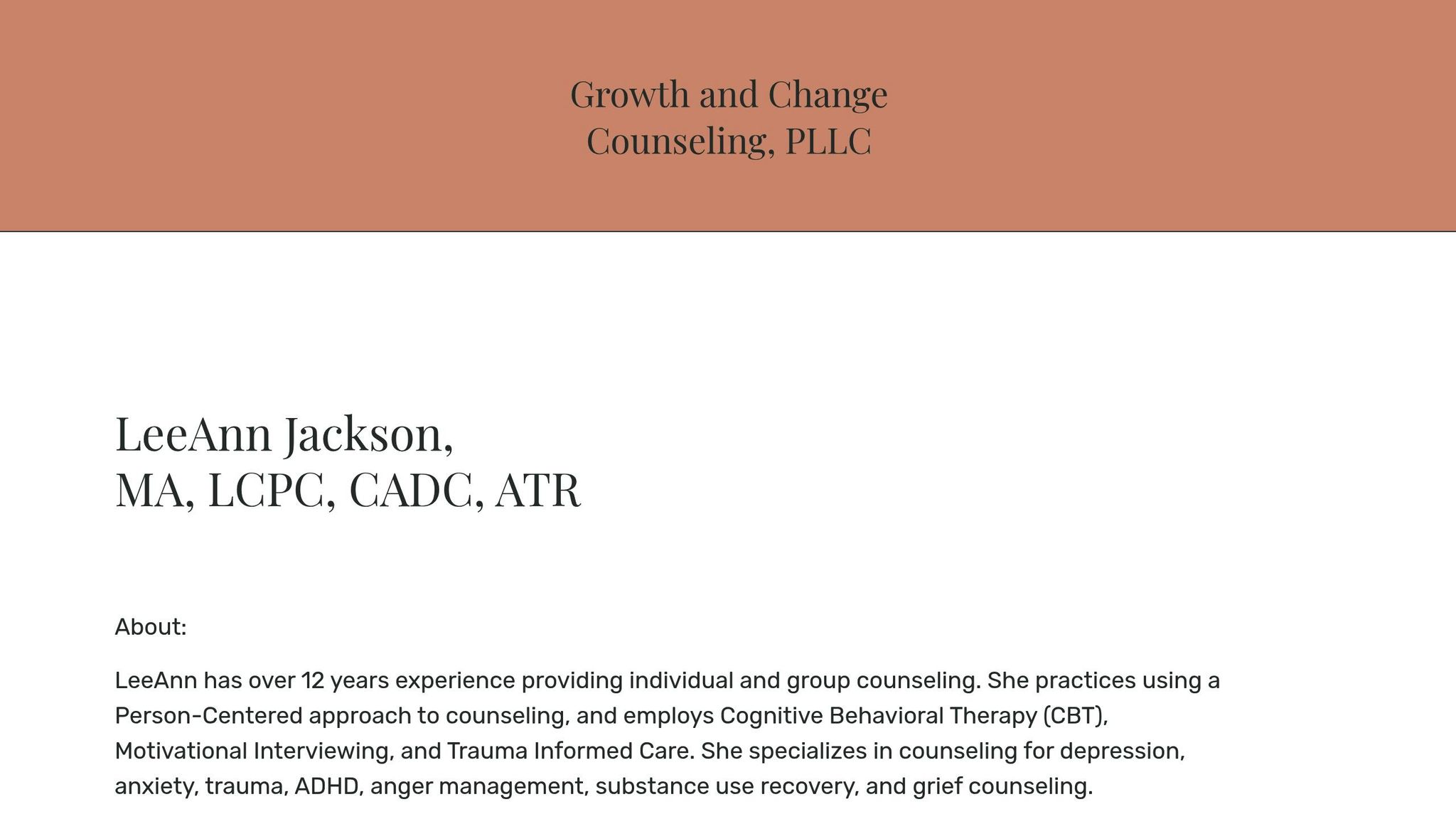
Growth and Change Counseling takes a comprehensive, evidence-based approach to help couples integrate mindfulness into their recovery. Their therapists specialize in the complex relationship between addiction and relationship dynamics, making them well-equipped to guide couples through mindfulness-based interventions.
One standout program is The Marriage Rescue Institute’s 12-week intensive process, which focuses on rebuilding trust, enhancing communication, and addressing emotional distress tied to addiction. This structured yet collaborative approach provides practical tools couples can start using right away.
The practice also offers tailored treatments for anxiety, depression, addiction, trauma, and neurodiverse relationships – areas where mindfulness-based methods can be especially effective. Therapists use mindfulness exercises to help couples manage cravings, process trauma, and regulate emotions, ensuring the techniques are customized to each couple’s unique needs.
Services are available both in-person and through telehealth, ensuring accessibility no matter where couples are located. In-person sessions are held in Campbell, San Jose, Los Angeles, and Roseville, CA, while telehealth extends throughout California. This flexibility allows couples to maintain consistent support even when schedules or travel become obstacles.
Growth and Change Counseling also offers pricing options to accommodate different budgets. Sessions with a Licensed Marriage and Family Therapist (LMFT) are $200 for 45 minutes, while sessions with an Associate Marriage and Family Therapist (AMFT) are $150. Sliding-scale options start at $100 per session, making professional support more accessible.
What sets Growth and Change Counseling apart is its focus on practical, actionable strategies. Instead of spending months analyzing underlying issues, therapists empower couples to build concrete skills for managing triggers, improving communication during conflicts, and supporting each other’s recovery.
The process begins with an assessment to understand each couple’s specific needs and challenges. From there, therapists create a personalized treatment plan that incorporates mindfulness exercises, communication training, and relapse prevention strategies.
For couples ready to move forward, Growth and Change Counseling offers the expertise and support needed to successfully incorporate mindfulness into their recovery journey. Their approach not only teaches mindfulness techniques but also strengthens the relationship skills essential for long-term success.
Conclusion: The Journey of Mindfulness and Recovery
This guide has explored mindfulness principles, practical exercises, and daily routines that support couples in recovery. Incorporating mindfulness into recovery is an ongoing process that demands patience, dedication, and teamwork. These practices not only aid individual healing but also reshape and strengthen relationship dynamics.
Mindfulness encourages emotional balance, enhances communication, and nurtures self-awareness – essential elements for rebuilding trust and intimacy. These skills lay the groundwork for deeper connections, especially in relationships that may have been strained by addiction.
"What you believe about yourself defines and shapes all of your relationships!" – John Kane [1]
Recovery is rarely a straight path. Setbacks are natural, and navigating them with patience and mutual understanding is key. When one partner faces emotional triggers or reverts to old patterns, the other’s empathy and support create a safe space for vulnerability and growth. This shared commitment helps couples stay focused on both their personal recovery and their relationship.
Mindful practices like shared breathing, active listening, and grounding techniques can become daily rituals. These habits keep couples anchored in the present and connected, even during tough times.
Studies indicate that mindfulness not only improves emotional regulation but also reduces relapse rates [7]. When practiced together, it strengthens the couple’s recovery support system, fostering resilience and unity.
"Conflict is a pathway to intimacy. If there’s no conflict in a relationship, at least one person isn’t being genuine." – Growth and Change Counseling [1]
While challenges will arise, mindfulness transforms conflict into an opportunity for deeper understanding and growth. Couples who embrace mindfulness often find their relationship becomes more meaningful and rewarding than it was before addiction entered their lives.
Seeking professional guidance can further enhance these benefits. Experts in addiction and couples counseling can provide valuable tools and insights to deepen mindfulness practices.
As you continue this journey, build on the strategies discussed here. Celebrate small milestones, show compassion during tough moments, and trust in the process. Mindfulness is about being present and holding onto hope for healing and growth.
"Do not be dismayed by the brokenness of the world. All things break. And all things can be mended. Not with time, as they say, but with intention." – L.R. Knost [1]
FAQs
How does practicing mindfulness help couples in addiction recovery avoid relapse?
Mindfulness can play a key role for couples navigating addiction recovery by helping them stay grounded and handle stress more effectively. By tuning into the present moment, mindfulness encourages better emotional control and reduces impulsive behaviors – both of which are crucial for avoiding relapse.
Couples can explore mindfulness practices like deep breathing, meditation, or mindful communication to build a stronger bond and offer mutual support throughout their recovery journey. These exercises foster understanding, patience, and empathy, laying the foundation for a healthier, more supportive relationship that aids long-term recovery.
What are some easy mindfulness exercises couples in addiction recovery can try daily?
Mindfulness can play a powerful role in helping couples navigate addiction recovery, offering a way to strengthen their connection and promote emotional healing. Here are a few simple practices you can try together:
- Mindful Breathing: Sit together in a quiet spot for 5 minutes, focusing on your breath. Breathe in deeply through your nose and exhale slowly through your mouth. If possible, try to sync your breathing – it can create a sense of unity and calm.
- Gratitude Sharing: Each day, take a moment to share one thing you appreciate about each other. This small habit can help build positivity and deepen your bond.
- Body Scan Practice: Sit or lie down comfortably and guide one another through a slow body scan. Notice any areas of tension or sensation, moving from head to toe. This practice can encourage relaxation and heighten self-awareness.
Making mindfulness part of your daily routine doesn’t have to be complicated. Start with these small steps and see how they enhance your connection. For couples seeking more tailored support, Growth and Change Counseling offers specialized programs designed to help navigate addiction recovery together.
How can professional support improve mindfulness practices for couples in addiction recovery?
Seeking professional support can play a key role in helping couples incorporate mindfulness into their addiction recovery journey. Therapists or counselors with expertise in mindfulness techniques can offer personalized guidance and tools tailored to the specific challenges couples face during this time.
These professionals can assist couples in developing emotional resilience, fostering healthier communication, and creating a safe environment for mutual growth and healing. Through structured exercises and practical strategies, couples can learn to stay present, manage stress more effectively, and deepen their connection as they work through recovery together. This kind of support helps make mindfulness a lasting and meaningful part of their path toward rebuilding their relationship.
Related Blog Posts
- Addiction Recovery and Marriage Communication
- Managing Anger During Addiction Recovery in Marriage
- Cognitive-Behavioral Therapy for Couples with Addiction
- Addiction Recovery and Emotional Connection in Marriage
