When anger and communication issues arise in marriage, they can lead to emotional distance, resentment, and trust issues. This article explores practical strategies to manage anger, improve communication, and repair relationships, supported by research and expert insights. Key takeaways include:
- Anger Triggers: Common causes include unmet needs, financial stress, parenting conflicts, and lack of intimacy.
- Impact of Anger: Uncontrolled anger can erode trust, increase conflict, and reduce marital satisfaction.
- Solutions: Techniques like time-outs, deep breathing, and using "I" statements can de-escalate arguments and improve understanding.
- Repair After Conflict: Apologies, empathy, and structured steps like the PEACE formula help rebuild trust.
- Professional Help: Counseling can provide tools to resolve deeper issues, with programs like the Marriage Rescue Institute offering targeted support.
Couples Tips: How to Deescalate Conflict in Your Relationship
What Causes Anger in Marriage
Anger in marriage often stems from unmet needs or unresolved issues that run deeper than surface-level disagreements. Common causes include unfulfilled expectations, ongoing stress from work or finances, unresolved conflicts from the past, and differences in values or priorities [1][7]. Poor communication and the pressures of daily life can amplify these underlying tensions, leading to arguments. Emotional wounds – like feeling unappreciated, unsupported, or misunderstood – can build up over time, turning even small disagreements into moments of anger [1][7]. Understanding these causes is key to addressing anger and improving communication.
Common Triggers That Lead to Marital Anger
Certain situations tend to ignite these underlying frustrations. Financial stress is one of the biggest culprits, whether it’s disagreements over spending, mounting debt, or conflicting budget priorities [1][6][7][9]. Parenting conflicts are another common trigger, with differing views on discipline, screen time, or education often leading to heated arguments [1][6][7][9].
An unequal division of household responsibilities can also cause resentment, especially when one partner feels overwhelmed by childcare, cleaning, or day-to-day management tasks [1][6][7][9]. Communication styles can clash, too – if one partner wants to resolve issues immediately while the other needs time to process, frustration and recurring arguments can follow [1][9]. A lack of intimacy or attention can spark anger as well, particularly when one partner feels ignored during important conversations or believes their emotional needs aren’t being met [1][6][7][9]. Recognizing these triggers is a critical step in preventing anger from harming the relationship further.
How Uncontrolled Anger Affects Your Marriage
When anger goes unchecked, it can erode trust, create emotional distance, and fuel ongoing conflict [1][7][8]. Defensiveness often takes over, making open communication and problem-solving more difficult. Over time, this can lead to emotional withdrawal, where one or both partners avoid sharing their feelings or concerns [1][7][8].
In a healthy marriage, honest communication is essential. But when anger dominates, partners may start walking on eggshells, avoiding sensitive topics to prevent outbursts. This avoidance leaves important issues unresolved [1][7][8]. Persistent anger can spiral into a toxic cycle of blame and defensiveness, resulting in chronic conflict, emotional detachment, reduced marital satisfaction, and even divorce [1][7][8].
Studies show that poor anger management is a major contributor to marital dissatisfaction and divorce in the U.S. [7][8]. Minor arguments often mask deeper feelings of betrayal or disappointment that haven’t been fully addressed. External stressors, like job pressures or financial struggles, can make things worse by reducing patience and increasing irritability. This means that even small issues at home can trigger anger, not because of the issue itself, but due to accumulated stress from outside factors. Recognizing these patterns is the first step toward healthier ways of managing and expressing anger.
Anger Management Techniques for Couples
Managing anger within a relationship takes practice and teamwork. By learning and applying effective strategies, couples can prevent small disagreements from escalating into major conflicts, paving the way for healthier communication. According to the American Association for Marriage and Family Therapy, over 97% of couples who sought therapy felt they received the help they needed, and 93% reported gaining tools to handle conflict more effectively [4].
How to Use Time-Outs to Stop Arguments from Getting Worse
The time-out approach is a practical way to stop heated arguments from escalating. It involves pausing a conversation when emotions are running high, giving both partners a chance to cool down before continuing [2][1].
To use this method, agree on a neutral signal – like a specific word or gesture – that either partner can use to call for a break. For example, one person might request a 20-minute pause. During this time, both partners should separate and engage in calming activities, such as taking a walk, practicing deep breathing, or listening to music. The key is to avoid dwelling on the disagreement during the break. This pause allows for reflection and helps both individuals return to the discussion with a clearer perspective.
Simple Techniques to Stay Calm During Conflict
Staying calm in the heat of an argument can feel challenging, but grounding exercises can help reduce the physical and emotional intensity of anger [2][1]. One simple technique is deep breathing: inhale slowly through your nose, hold for a moment, and exhale deeply. This activates your body’s relaxation response, easing tension and helping you think more clearly [3][11].
Another helpful tool is the 5-4-3-2-1 sensory exercise. When emotions start to rise, take a moment to focus on your senses: notice five things you can see, four you can touch, three you can hear, two you can smell, and one you can taste. This exercise shifts your attention to the present moment, breaking the cycle of anger. Even something as simple as counting to ten can give you the pause needed to respond thoughtfully instead of reacting impulsively. Over time, these habits can make it easier to navigate conflicts without letting emotions take over [1][6].
How to Identify and Handle Your Anger Triggers
Recognizing what sets off your anger is key to breaking recurring patterns and improving self-awareness [2][10]. Start by keeping a journal or practicing mindfulness to identify situations, words, or behaviors that frequently provoke strong emotions. Common triggers in relationships might include feeling dismissed during conversations, disagreements about money, or conflicts over parenting styles [2][1].
Reflecting on past experiences can also provide insight. Sometimes, anger stems from deeper feelings of being unappreciated or misunderstood. Therapy can be a valuable tool for exploring and addressing these underlying emotions. Once you’ve identified your triggers, discuss them with your partner when you’re calm. Use "I" statements – like "I feel upset when our plans change without notice" – to express your feelings without placing blame. By setting boundaries and developing coping strategies together, couples can turn anger into an opportunity for growth and mutual understanding [2][6].
These techniques can help couples build stronger communication habits and navigate conflicts with greater empathy and respect.
How to Communicate Better in Marriage
Strong communication is the backbone of a healthy marriage. It helps prevent conflicts from spiraling out of control and fosters a deeper connection. Research from the Gottman Institute highlights that couples who consistently engage in positive communication – like showing appreciation and actively listening – are far less likely to divorce compared to those who don’t [12].
But good communication isn’t just about talking; it’s about creating a space where both partners feel truly heard, understood, and valued. When couples adopt these skills, they shift from seeing each other as opponents to working together as a team. These techniques also complement the anger management strategies discussed earlier, building a solid foundation for a thriving relationship.
How to Listen Better to Your Spouse
Active listening is a game-changer. Start by eliminating distractions, maintaining eye contact, and summarizing what your partner says to show you’re paying attention. For instance, you might respond with, “So, what I’m hearing is that you feel unimportant when I check my phone during our conversations – did I get that right?” This approach fosters collaboration rather than conflict.
Ask thoughtful questions like, “Can you help me understand what you mean by that?” or “What would be most helpful for you right now?” These questions show genuine interest in your partner’s perspective. And don’t interrupt – letting your spouse finish ensures you fully grasp their point before responding.
How to Express Your Feelings Without Blame
Using “I” statements is a powerful way to share your emotions without putting your partner on the defensive. For example, swap “You make me angry!” with “I feel angry and need a moment to cool down.” Similarly, instead of saying, “You ignore me!” try, “I feel unimportant when you look at your phone while we’re talking.”
Focus on your own feelings rather than criticizing your partner’s actions. This approach reduces finger-pointing and keeps the conversation centered on finding a solution together. It also helps uncover deeper emotions – like hurt or frustration – that might be hiding beneath anger. These strategies for listening and expressing yourself create a stronger, more collaborative connection.
Daily Habits That Improve Your Connection
Small, daily actions can make a big difference in your relationship. Expressing gratitude regularly or taking a moment for emotional check-ins helps both partners feel valued and can prevent small misunderstandings from growing into larger issues. Even a quick note of appreciation can strengthen your bond.
Make it a habit to check in with your spouse by asking questions like, “How are you feeling today?” or “Is there anything on your mind we should talk about?” These simple gestures create a safe space for vulnerability and keep you tuned in to each other’s emotional needs. For more serious conversations, try scheduling a time to talk instead of addressing issues in the heat of the moment. Research shows that setting time limits for discussions can help keep them focused and productive.
One couple shared their experience after adopting these tools:
“Me and my husband find the tools to communicate with each other productively; which hardly ever happened before.” – Cindy Wang, Google Review [5]
sbb-itb-596b85d
How to Repair Your Relationship After Arguments
Arguments are a natural part of any marriage. What truly matters is how you handle the aftermath – taking accountability, working together, and creating a safe emotional space. These steps, combined with strong communication, can help strengthen your bond and prevent future conflicts from spiraling out of control. The aim isn’t to erase the fight but to use it as an opportunity to grow closer.
Studies indicate that couples who make an effort to repair conflicts are 80% more likely to feel satisfied in their relationships compared to those who don’t [2]. In simple terms, learning how to mend things after disagreements is a key ingredient for a happy marriage.
As Growth and Change Counseling explains:
"Conflict is a pathway to intimacy. If there’s no conflict in a relationship, at least one person isn’t being genuine." [5]
This perspective shifts the way we see conflict, turning it into a chance for deeper understanding and connection.
How to Give a Real Apology
A true apology goes beyond a quick "I’m sorry." It involves owning up to your actions, showing genuine remorse, and committing to change [1][6]. This means admitting your mistakes without making excuses, clearly acknowledging the hurt you caused, and taking steps to make things right.
For instance, a meaningful apology might sound like: "I’m sorry for interrupting you earlier. I realize that made you feel unheard, and I’ll work on being a better listener." On the other hand, a weak apology might be: "I’m sorry you got upset, but you were being unreasonable" [1][6]. The focus should always remain on what you did and how it impacted your partner, rather than shifting blame. Instead of saying, "I’m sorry you feel that way", try: "I’m sorry for raising my voice. I understand that hurt you, and I’ll work on staying calm during disagreements" [1][6].
When both partners take responsibility, it creates a foundation for trust and emotional safety [1][7].
Steps to Take After a Fight
The period immediately following an argument is crucial for repairing the relationship. The PEACE formula – Pause, Empathize, Acknowledge, Connect, Engage – offers a helpful guide for navigating these moments [2].
- Pause: Take time to cool off before continuing the conversation. For example, agree to a 20-minute break to gather your thoughts and avoid saying something you might regret [8].
- Empathize: Try to see the situation from your partner’s perspective, even if you don’t fully agree with their actions.
- Acknowledge: Own your part in the conflict and validate your partner’s feelings.
- Connect: Reaffirm your care and commitment to the relationship, creating a sense of emotional safety.
- Engage: Work together to find solutions and agree on steps to move forward [6][8].
After cooling down, reflect on what happened, and plan a calm discussion to address the issue [1][6][8].
Creating a supportive environment for these conversations is crucial. This might include agreeing on signals to pause a discussion when emotions run high, choosing a neutral and private setting for tough talks, and using calm, respectful language. Avoiding personal attacks and setting boundaries around sensitive topics or timing can also help keep the discussion productive [1][8][9].
How to Rebuild Trust After Repeated Conflicts
Repeated conflicts can make rebuilding trust feel daunting, but it’s far from impossible. Restoring trust requires consistent effort, patience, and a shared commitment to change [7]. Trust isn’t rebuilt overnight – it’s earned through reliable actions, keeping promises, and maintaining open communication.
You can rebuild trust by scheduling regular check-ins, practicing complete transparency, and taking consistent steps to show your commitment. For example, if you’ve promised to work on your temper, your partner needs to see evidence of that effort every day.
According to the American Association for Marriage and Family Therapy, over 97% of surveyed couples found therapy helpful for addressing issues like anger and conflict resolution [4]. Sometimes, seeking professional guidance is necessary to break unhealthy patterns and learn new ways to connect.
Counseling offers structured support and tools for effective conflict resolution. Growth and Change Counseling, through its Marriage Rescue Institute, provides a 12-week program aimed at helping couples rebuild their relationships. Their approach focuses on teaching relational skills and fostering healthier ways to resolve conflicts [5].
Repairing and rebuilding a relationship takes dedication from both partners. With consistent effort and the right strategies, healing is possible. And when needed, professional support can be a valuable resource to guide couples toward a stronger, healthier connection.
When to Seek Professional Help for Your Marriage
Sometimes, no matter how hard you try, persistent anger and poor communication can feel impossible to overcome on your own. Recognizing when it’s time to get professional help can be the key to saving your marriage from further harm. Research shows that couples often wait an average of six years after problems arise before seeking help. By then, the issues are deeply rooted and harder to resolve [2].
Look out for warning signs like unresolved arguments that keep circling back, yelling, emotional withdrawal, or lingering resentment. If anger in your relationship leads to fear, emotional distress, or if repeated efforts to address problems haven’t worked, it’s time to consider professional intervention. Don’t wait until things feel irreparable – early action can make a huge difference. Addressing these challenges sooner rather than later can help prevent deeper emotional and mental strain while opening the door to healthier communication.
How Couples Counseling Can Help
Couples counseling offers a safe, structured environment where both partners can share their feelings openly without fear of judgment or retaliation. This is especially important when anger has made conversations at home feel tense or unpredictable.
Therapists often use proven methods like Cognitive Behavioral Therapy (CBT), Dialectical Behavioral Therapy (DBT), Emotionally Focused Therapy (EFT), and the Gottman Method to help couples address anger, improve communication, and rebuild trust. In fact, the Gottman Method has been shown to help about 75% of couples improve their relationship satisfaction and reduce conflict [2].
During counseling, you’ll learn practical tools to communicate more effectively and express anger in healthier ways. Therapists also help couples uncover the deeper emotions – like hurt or sadness – that may be hiding behind anger. The goal isn’t to eliminate anger altogether but to channel it in ways that bring you closer rather than driving you apart. According to the American Association for Marriage and Family Therapy, half of the couples who attend therapy report significant improvements within just six months [4].
If you’re looking for more specialized or intensive support, there are additional options to consider.
How Growth and Change Counseling Can Help Your Marriage
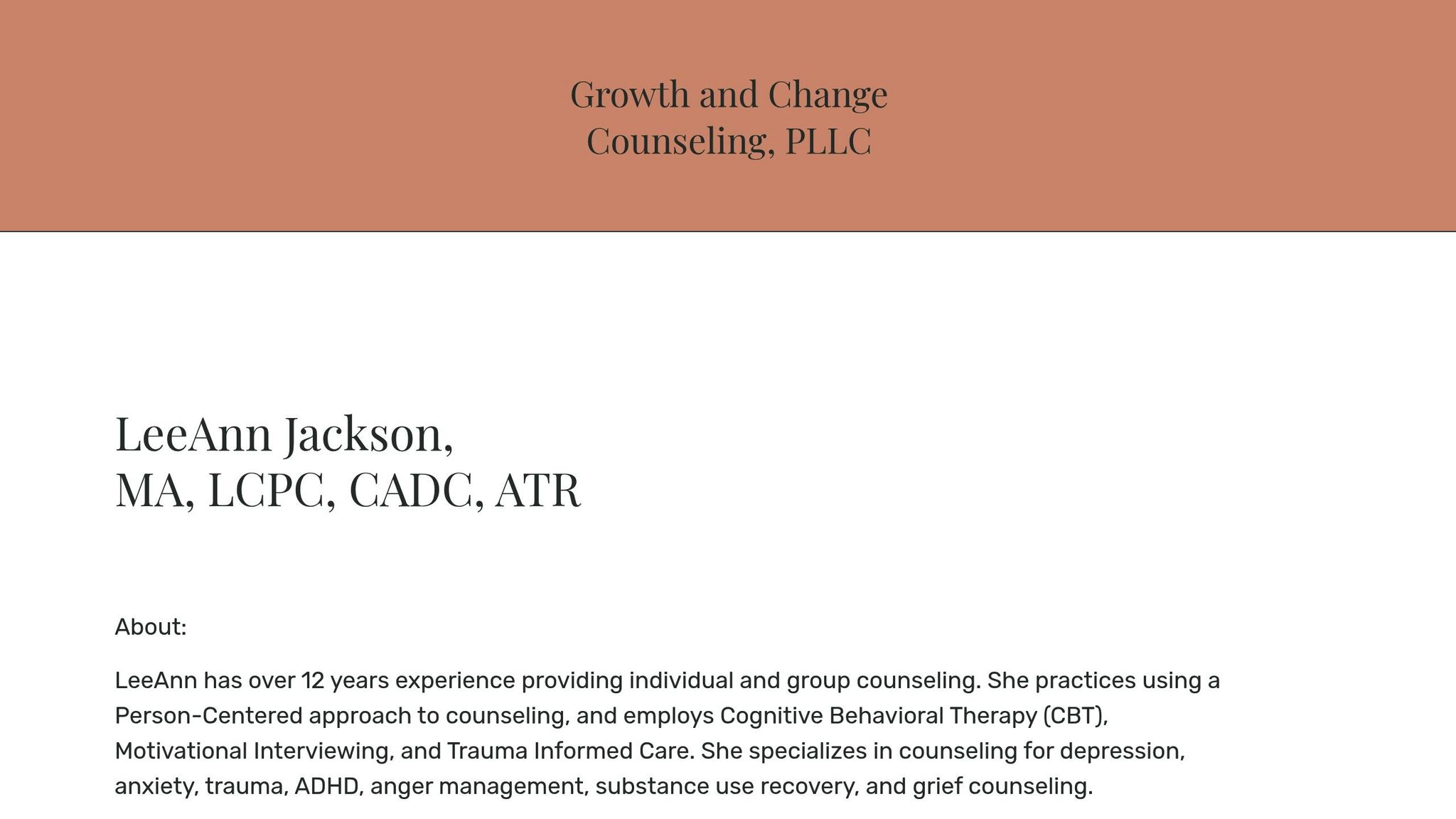
Building on the foundations of traditional couples counseling, Growth and Change Counseling takes a structured approach to help couples navigate conflict and create stronger, lasting connections. Their focus is on developing "relational intelligence", which equips couples with the tools to address conflicts at their core.
For couples facing severe challenges, the Marriage Rescue Institute offers a 12-week intensive program specifically designed for relationships in crisis. This program goes beyond standard weekly sessions by providing a more focused and accelerated path to recovery. It digs into the root causes of anger and dysfunction, aiming to rebuild trust and create healthier dynamics. Instead of just addressing surface-level issues, this program works toward genuine healing and long-term balance.
Services are conveniently available in Campbell, San Jose, Los Angeles, and Roseville, CA, as well as through telehealth for couples across California. This flexibility makes it easier for busy couples to access the support they need.
Your first session typically involves gathering background information, discussing your concerns, and setting therapy goals. The counselor will explore your communication patterns, identify anger triggers, and review past attempts at resolution. From there, they’ll outline a plan and introduce strategies to help de-escalate conflict.
If you’re unsure whether you need the intensive Marriage Rescue Institute program or standard couples counseling, an initial assessment can help determine the best fit. Couples dealing with chronic conflict, repeated breaches of trust, or feeling on the verge of separation may benefit from the intensive program. Meanwhile, those facing less severe issues might find traditional counseling more appropriate.
Taking the First Step Toward a Healthier Marriage
Improving a marriage starts when both partners acknowledge unresolved anger or communication struggles. By applying anger management and communication strategies previously discussed, couples can transition from merely understanding their issues to actively addressing them. Studies reveal that couples who tackle problems early often experience better outcomes compared to those who delay seeking help for years [13].
It’s essential for both partners to move past blame and focus on creating change together. This involves discussing recurring patterns like repeated arguments, emotional distance, or lingering resentment [1][13]. Shifting the focus toward solutions that strengthen the relationship as a whole lays the groundwork for meaningful progress.
One practical step is scheduling regular 15-20 minute check-ins to discuss challenges and celebrate progress. During these conversations, use "I" statements to share your feelings without sounding accusatory or critical [6][9]. These simple, consistent check-ins can pave the way for long-term improvements in your connection.
Small gestures like expressing gratitude or sharing details about your day can also strengthen your bond. These consistent efforts often have a greater impact than grand promises or elaborate gestures that may be difficult to sustain [9].
If personal efforts don’t seem to resolve deeper issues, seeking professional help can introduce fresh strategies. Turning to a therapist isn’t a last resort – it’s part of the ongoing process of rebuilding your relationship.
"Start the conversation today – it may be the first step to lasting change." – Jamula Taylor, LMFT #129183, Growth and Change Counseling [5]
For couples facing significant challenges or nearing separation, programs like the Marriage Rescue Institute offer intensive 12-week coaching tailored to relationships in crisis. Individual therapy sessions with licensed therapists start at $200 for 45 minutes, while associate therapists provide sessions for $150, with sliding scale options as low as $100 for those in financial need.
Taking action requires courage, but staying stuck often costs far more. Whether it’s improving communication, seeking professional guidance, or committing to daily practices that rebuild connection, the key is to start somewhere and stay consistent.
"It just starts with a conversation." – Brianna Martin, AMFT #144492, Growth and Change Counseling [5]
Change doesn’t happen overnight, and progress isn’t always smooth. Some days will feel easier than others, but couples who approach their issues with patience, respect, and a willingness to learn tend to find their relationship grows stronger than ever before [1][10].
FAQs
How can I identify and manage anger triggers in my marriage?
Recognizing and managing anger triggers in a marriage begins with self-awareness. Pay close attention to the situations, words, or behaviors that consistently spark frustration or anger. Keeping a journal to log these moments can be a helpful way to uncover patterns and pinpoint underlying issues.
Once you’ve identified your triggers, focus on strategies to handle them effectively. Techniques like deep breathing or stepping away briefly to gather your thoughts can help you stay calm before responding. When discussing your feelings with your partner, use "I" statements to express yourself without assigning blame. For instance, say, "I feel hurt when…" instead of "You always…" This method encourages understanding and reduces defensiveness, paving the way for a more productive conversation.
If managing anger feels overwhelming or begins to strain your relationship, professional support can be invaluable. Growth and Change Counseling provides specialized couples coaching through The Marriage Rescue Institute, offering tools to rebuild trust and improve communication. Tackling anger together can ultimately strengthen your connection and lead to healthier, more open communication.
What steps can couples take to rebuild trust and improve communication after ongoing conflicts?
Rebuilding trust and improving communication after repeated conflicts takes effort, patience, and the right approach. Couples can make progress by dedicating time to openly share their feelings and concerns in a calm, judgment-free space. Practicing active listening – where you truly hear and understand your partner – and showing empathy are essential steps toward strengthening the connection and fostering mutual understanding.
For those looking for a more structured path, Growth and Change Counseling provides support through The Marriage Rescue Institute. This intensive 12-week coaching program is tailored to help couples facing tough challenges rebuild their relationships. The program emphasizes effective communication, trust restoration, and emotional healing, offering professional guidance to help couples lay a stronger, healthier foundation for their marriage.
How do you know when it’s time to get professional help for anger and communication problems in your marriage?
If you and your spouse keep finding yourselves in the same arguments, struggling to communicate, or dealing with lingering anger that’s affecting your relationship, it might be time to consider getting professional help. These recurring challenges can put a lot of strain on a marriage, and working through them on your own can feel overwhelming.
Growth and Change Counseling offers a tailored couples counseling program through The Marriage Rescue Institute. This intensive 12-week coaching program is specifically designed to help couples facing tough situations rebuild trust, strengthen communication, and reconnect. With the right professional support, you can gain the tools and strategies needed to make meaningful, lasting improvements in your relationship.
Common Questions About Growth and Change Counseling
- Managing Anger During Addiction Recovery in Marriage
- Anger in Marriage: Christian Counseling Solutions
- How Addiction Impacts Anger in Relationships
- How to Solve Recurring Arguments in Marriage
