Recovering from trauma is a journey that affects your mind, body, and soul. This guide outlines practical steps to help you heal emotionally, physically, and spiritually, whether you’re dealing with personal pain or its impact on relationships. Here’s what you’ll learn:
- What trauma is: How it influences your thoughts, emotions, and even faith.
- Why healing matters: Unresolved trauma can strain marriages, parenting, and friendships.
- How to start recovering: Recognize your pain, create a safe environment, and seek professional help.
- Blending faith and therapy: Use tools like Cognitive Behavioral Therapy (CBT), mindfulness, and prayer to heal holistically.
- Building support: Strengthen relationships and create a network that encourages progress.
- Resources for healing: Books, therapy options, and services tailored to trauma recovery.
Trauma recovery takes time, but with the right tools and support, you can move forward with strength and hope.
The 5 Rules of Recovering From Trauma
First Steps to Begin Trauma Recovery
Starting the journey of trauma recovery can feel overwhelming, but taking small, intentional steps can help you gain momentum. These early actions focus on awareness, safety, and finding the right support – key building blocks for deeper healing later on.
Recognizing and Naming the Pain
Healing begins with acknowledging what you’re carrying. Many people avoid confronting their pain, but recognizing trauma means facing hidden wounds to start the process of recovery.
Your body often signals trauma before your mind fully grasps it. Pay attention to signs like muscle tension, a racing heart, or a tendency to avoid certain situations. These aren’t weaknesses – they’re your nervous system’s way of protecting you.
One simple way to start processing is by journaling for 10–15 minutes daily. Don’t worry about structure or focusing directly on traumatic events; just write about your day, your feelings, or whatever comes to mind. Over time, you’ll notice patterns that reveal triggers and emotional responses.
Prayer and quiet reflection can also help. Ask God for clarity and compassion as you explore your emotions. Healing often happens gradually, and the Holy Spirit may reveal insights at a pace you can handle. Trust that God understands your limits and will guide you through this process.
This step takes time, and that’s okay. The goal isn’t immediate clarity but honest self-awareness. Once you’ve started recognizing your pain, creating a secure environment becomes the next priority.
Creating a Safe and Supportive Environment
Safety is essential in trauma recovery. Your nervous system must feel protected to begin relaxing and healing. This involves both physical and emotional safety in your daily life.
Physical safety might mean practical changes, like installing better locks, choosing seating that feels secure, or avoiding places that trigger anxiety. These adjustments aren’t signs of fear – they’re smart ways to support your recovery.
Emotional safety is just as important. Set boundaries with people who drain your energy or provoke negative responses. This might mean limiting time with certain family members, stepping away from toxic relationships, or having open conversations with loved ones about your needs.
Boundaries allow you to protect your energy and focus on healing. For example, you might skip social events when feeling overwhelmed or ask friends to avoid certain topics until you’re ready to discuss them.
Make your environment as calming as possible. A designated "safe space" in your home – like a cozy corner with a comfortable chair, meaningful books, or soothing photos – can provide a retreat when emotions become too intense.
Also, prioritize healthy routines. Trauma recovery takes emotional energy, so focus on sleep, balanced nutrition, and gentle physical activity. Rest helps your brain process emotions, while proper nourishment supports your body through the healing process.
Finding Professional Help
While self-reflection and creating safety are important, professional guidance can be crucial for trauma recovery. A skilled therapist offers tools and insights that make the healing process more effective and manageable.
Look for a therapist who specializes in trauma-informed care. These professionals understand how trauma impacts the brain and body and create safe, supportive environments for survivors. If faith is important to you, consider a Christian counselor who integrates spiritual understanding with proven therapeutic methods.
When choosing a therapist, don’t hesitate to ask questions: What experience do they have with trauma? What approaches do they use? How do they incorporate faith, if applicable? A good therapist will welcome these discussions and help you understand what to expect.
The right therapist listens without judgment. Building a trusting relationship is essential for healing. If you don’t feel comfortable after a few sessions, it’s okay to seek someone else. The connection between you and your therapist plays a major role in your progress.
Practical considerations matter too. Does the therapist’s schedule fit yours? Is their office convenient? Do they accept your insurance or offer affordable payment options? Removing logistical barriers makes it easier to stay committed to therapy, which is vital for long-term progress.
Group therapy can also be helpful alongside individual sessions. Support groups allow you to connect with others who understand your experiences, offering encouragement and shared wisdom. Just ensure the group is led by a professional and focused on healing rather than simply recounting stories.
Seeking professional help is a sign of strength, not weakness. Just as you’d see a doctor for physical injuries, seeing a therapist for emotional wounds shows care and courage. You deserve support as you navigate this challenging but rewarding path.
Tools and Techniques for Emotional and Spiritual Healing
Once you’ve taken those first steps and sought professional guidance, it’s time to explore tools that connect emotional and spiritual healing. By blending evidence-based therapies with faith-based practices, you can create a well-rounded approach that respects both your mental health and spiritual beliefs.
Evidence-Based Therapies for Trauma
There are several proven therapies designed to address the effects of trauma. Understanding these options can help you choose the right path for your healing journey.
Cognitive Behavioral Therapy (CBT) works by challenging negative thought patterns like "I’m not safe anywhere" or "I can’t trust anyone." Through CBT, you can examine these beliefs and replace them with healthier, more balanced perspectives.
Eye Movement Desensitization and Reprocessing (EMDR) uses bilateral stimulation – like guided eye movements or alternating sounds – to help your brain process and lessen the emotional weight of traumatic memories. This method allows healing without requiring you to revisit every painful detail.
Somatic Experiencing focuses on how trauma is stored in the body. By paying attention to physical sensations and using gentle movements, breathing exercises, and awareness techniques, you can release pent-up energy and tension.
Mindfulness-Based Therapies help you stay present, avoiding the pull of painful memories or anxiety about the future. Practices like deep breathing, body scans, and meditation can reduce stress and improve emotional regulation, especially when trauma symptoms arise.
Many survivors find that a mix of these therapies works best. For instance, you might use CBT to address negative thought patterns while practicing mindfulness to stay grounded during tough moments. These approaches provide a strong foundation for incorporating spiritual practices into your healing process.
Faith-Based Practices for Healing
Spiritual practices can bring comfort and strength as you recover from trauma. They work alongside professional therapy to address deeper questions about God, purpose, and hope.
Scripture Meditation involves reading and reflecting on Bible passages that offer healing and reassurance. For example, Psalm 34:18 ("The Lord is close to the brokenhearted and saves those who are crushed in spirit") can be a source of comfort. Spend time with one passage, letting its meaning sink in and resonate with your personal experiences.
Worship and Praise can redirect your focus from pain to God’s promises. Whether through music, singing, or simply declaring God’s goodness, this practice acknowledges that God is greater than your struggles and can bring healing, even as you face challenges.
Guided Prayer with a pastor or counselor provides structured spiritual support. The Psalms, for instance, offer examples of heartfelt prayers that balance sorrow with hope, giving you a framework to express your emotions and seek guidance.
Forgiveness Exercises are an essential, though often difficult, part of faith-based healing. Forgiveness doesn’t mean excusing harmful actions or immediately trusting those who hurt you. Instead, it’s about releasing the desire for revenge and allowing space for God to bring justice and restoration.
Many people find that combining prayer with professional therapy deepens their healing. Whether it’s asking for wisdom before a session or discussing spiritual struggles with a trusted counselor, this integration can be incredibly meaningful.
Practical Tools: Journaling and Setting Boundaries
Two simple yet powerful habits – journaling and setting boundaries – can make a big difference in your recovery.
Journaling offers a private space for emotional expression and self-reflection. If you’re unsure where to start, try prompts like:
- "Today, I am proud of myself for…"
- "One thing I want to let go of is…"
- "When I think about my family, I feel…"
- "The strengths I’ve gained from my experiences are…"
You can also create lists, like gratitude lists, self-care ideas, or triggers and coping strategies. Choose a regular time – morning or evening – and a quiet, comfortable spot for your writing. The goal isn’t perfect wording but honest, non-judgmental self-expression.
Boundary-Setting is another critical tool for protecting your well-being. Start by reflecting on your values, needs, and limits in relationships, work, and personal space. Journaling can help – ask yourself questions like, "What situations drain my energy?" or "What do I need to feel safe and respected?"
Once you’ve identified your boundaries, communicate them clearly using "I" statements. For example, instead of saying, "You always interrupt me", try, "I feel unheard when conversations move quickly. I need time to finish my thoughts before we continue." If someone challenges your boundaries, respond calmly but firmly. Consistency is key to helping others respect your limits.
At first, setting boundaries might feel uncomfortable, especially if you’re used to prioritizing others. But prioritizing your own well-being is essential for healing. Pairing these practices with professional therapy can provide additional support, as a therapist can help you process your reflections and navigate relationship dynamics.
With these tools in place, you’ll be better prepared to build a network of support for your recovery.
sbb-itb-596b85d
Building a Supportive Recovery Network
Healing starts with self-awareness and professional guidance, but it’s the relationships you build along the way that truly complete the picture. Recovery isn’t something you go through alone. A strong support network provides encouragement, celebrates your progress, and keeps you accountable. The right people in your corner can mean the difference between feeling isolated in your struggles and finding the strength to move forward. These connections create a foundation for deeper healing.
Building a Strong Support System
A meaningful support system begins by identifying individuals and groups that can offer various forms of help. For many, family serves as the cornerstone of this network.
Family and caregiver support groups are designed to connect loved ones of trauma survivors, offering a space for shared understanding and mutual encouragement [1]. Within families, nurturing relationships can rebuild trust and create a safe, stable environment that promotes healing [4].
Church communities can also play a vital role, offering small groups, prayer teams, and pastoral care. Many churches provide ministries aimed at those facing trauma, grief, or life challenges, combining spiritual guidance with practical support.
Peer support groups offer another key resource for trauma survivors. These communities allow individuals to share experiences, offer mutual support, and build coping skills [1][2]. They help reduce feelings of isolation, anxiety, and fear while fostering a sense of connection and self-confidence [1][2]. Participants can also learn new coping strategies and gain valuable perspectives from others who’ve faced similar challenges [1][2].
When creating your support network, focus on quality over quantity. Look for people who are consistent, respect your boundaries, and genuinely care about your well-being. A few dependable supporters can be far more impactful than a large group of less committed individuals.
Repairing Relationships in Trauma Recovery
Trauma often takes a toll on relationships, even with those closest to you. Rebuilding trust takes time and effort from everyone involved. Start by having honest conversations about how trauma has affected your connections. Whether it’s explaining triggers to your spouse or helping your children understand changes, open communication is key. Using “I” statements to express your feelings can make these discussions more constructive.
Marriage recovery requires particular attention. Your spouse may feel confused, hurt, or unsure of how to help. Marriage counseling can provide a safe space to address these challenges, offering professional guidance to rebuild intimacy and improve communication.
For parents, family therapy can help explain the situation to children in an age-appropriate way, fostering understanding and support within the household.
It’s important to set realistic expectations – relationships don’t bounce back overnight. In many cases, you’re not just repairing what was lost; you’re building something new and stronger. Some relationships may need to change significantly, while others might need to end if they hinder your recovery. Forgiveness can be part of this process, but it’s a gradual journey that works best when paired with clear boundaries. As trust is rebuilt, accountability and empathy will help solidify these renewed connections.
The Role of Accountability and Empathy
Accountability partners play a crucial role in keeping you committed to your recovery goals. Whether it’s a trusted friend or a mentor, this person provides gentle reminders, encouragement, and constructive feedback. Clear communication ensures that this partnership remains effective and supportive.
Empathy, on the other hand, focuses on emotional understanding. Empathetic supporters validate your feelings and provide a safe space for you to express pain without feeling rushed or judged. Look for people who actively listen – those who ask thoughtful questions, remember details from past conversations, and respond with compassion.
Trauma Recovery Centers highlight the importance of community outreach and culturally responsive care, ensuring that support services are accessible and free from stigma [3]. This approach reinforces the value of a strong, understanding community in the healing process.
Building a support network isn’t a one-time task – it’s an ongoing journey. As you grow and heal, your needs may shift, and your relationships will evolve. Some people in your network may take on new roles, while others might step back. New sources of support will likely emerge along the way. The goal is to create a flexible, supportive system that grows with you throughout your recovery.
Resources and Frameworks for Trauma Recovery
Having access to the right resources can make a world of difference in your recovery journey. A thoughtful mix of insightful books, effective therapeutic approaches, and professional support creates a strong foundation for healing. These tools work hand-in-hand to offer immediate guidance while equipping you with strategies for long-term recovery. Together, they complement the earlier-discussed strategies and support systems, helping you build a well-rounded plan for healing.
Recommended Books and Workbooks
Books and workbooks tailored to trauma recovery can provide invaluable insights and practical tools. For those looking for a spiritual perspective, faith-based resources blend psychological healing with spiritual growth.
- "The Body Keeps the Score" by Bessel van der Kolk dives deep into how trauma affects the body and mind, offering practical strategies for recovery.
- "Emotionally Healthy Spirituality" by Peter Scazzero focuses on the intersection of emotional health and spiritual growth, making it a great choice for those seeking Christian perspectives.
- "Boundaries" by Dr. Henry Cloud and Dr. John Townsend is a must-read for anyone navigating relationships impacted by trauma. Its workbook version includes hands-on exercises to help apply these concepts in real-life situations.
- "The Trauma Recovery Network Workbook" provides structured exercises aimed at processing challenging emotions and rebuilding trust.
For couples working through trauma, "Hold Me Tight" by Dr. Sue Johnson offers evidence-based tools to reconnect emotionally. The workbook includes exercises to help rebuild trust and intimacy.
Journaling can also be a powerful tool for self-reflection. "The PTSD Workbook" by Mary Beth Williams guides readers through writing exercises to safely process traumatic memories. Similarly, "Healing Your Emotional Self" combines therapeutic techniques with biblical principles, offering practical exercises and prompts for reflection.
Therapeutic Approaches: Comparison Table
Understanding different therapeutic options can help you make informed choices about your care. Each approach offers unique benefits tailored to specific needs and preferences.
| Therapy Type | Best For | Duration | Key Benefits | Faith Integration |
|---|---|---|---|---|
| Cognitive Behavioral Therapy (CBT) | Negative thought patterns, anxiety, depression | 12-20 sessions | Practical skills, measurable progress | Can incorporate Christian principles |
| Eye Movement Desensitization and Reprocessing (EMDR) | Specific traumatic memories, PTSD symptoms | 6-12 sessions | Rapid trauma processing, reduced intensity | Neutral, faith-compatible |
| Christian Counseling | Faith-based healing, spiritual integration | Varies | Biblical perspective, prayer integration | Fully integrated |
| Family Systems Therapy | Relationship trauma, family dynamics | 10-25 sessions | Improved communication, healthier boundaries | Adaptable to Christian values |
| Trauma-Focused Therapy | Complex trauma, childhood abuse | 12-24 sessions | Specialized trauma processing, safety building | Can incorporate spiritual elements |
CBT is ideal for those who prefer a structured, goal-oriented approach, helping to identify and change negative thought patterns. EMDR, on the other hand, focuses on processing specific traumatic events and often yields quicker results than traditional talk therapy.
For those who want their faith to be central to their healing, Christian counseling blends biblical principles with proven therapeutic techniques. Family systems therapy is particularly helpful when trauma impacts family relationships, focusing on improving communication and setting healthy boundaries.
Growth and Change Counseling Services
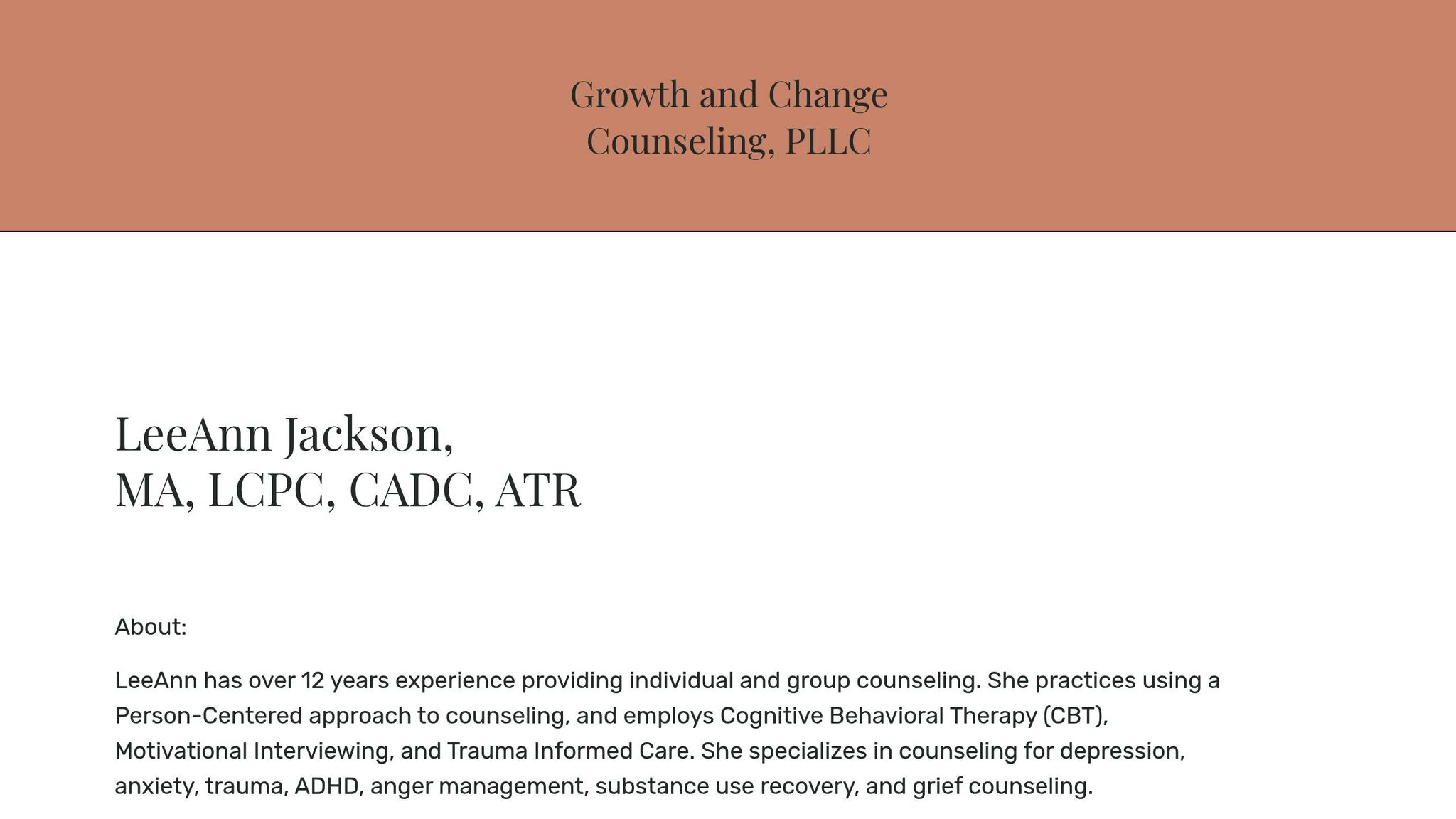
While self-help tools and therapy options are crucial, professional services often play a central role in trauma recovery.
Growth and Change Counseling provides integrative trauma recovery services for individuals, couples, and families.
- Individual therapy sessions are available with licensed therapists at $200 per 45-minute session, or with associate therapists at $150 per session, with sliding scale rates starting at $100.
- The Marriage Rescue Institute offers a 12-week intensive program for couples whose relationships have been affected by trauma. This program combines evidence-based techniques with practical skills to rebuild trust and intimacy.
- Family therapy and parent coaching focus on restoring communication and creating supportive family dynamics. These services help families understand trauma’s impact and work toward collective healing.
- Specialized treatments address trauma-related challenges like anxiety, depression, and addictions, including media, sex, and substance dependencies. Anger management support is also available to help individuals develop healthy emotional regulation.
For convenience, telehealth services extend professional care across California, offering flexibility for those with mobility limitations, busy schedules, or safety concerns. These online sessions maintain the same high standards as in-person therapy.
The practice also provides culturally relevant therapy and Christian counseling, ensuring that treatment aligns with individual values and backgrounds. Services are available in Campbell, San Jose, Los Angeles, and Roseville, with telehealth making them accessible statewide.
Moving Forward in Faith and Healing
As you continue to navigate the road to recovery, blending the tools and support you’ve gathered with a renewed sense of hope becomes essential.
The Healing Journey Is a Lifelong Process
Recovering from trauma is not something that happens overnight – it’s an ongoing process that unfolds gradually over time [5]. Faith can serve as a steady anchor, offering strength and resilience when you need it most. Lean on your spiritual beliefs to help maintain balance, and remember, there’s no rush – progress happens at your own pace.
Support Is Always Within Reach
Professional help plays a crucial role in this journey. Growth and Change Counseling provides individual therapy sessions ranging from $100 to $200, depending on the therapist’s expertise, and also offers telehealth options for statewide accessibility. These services ensure that quality care is available no matter where you are.
For couples working to rebuild their relationship, The Marriage Rescue Institute offers a 12-week intensive program aimed at restoring trust and improving communication. Beyond professional services, your faith community can be a valuable source of spiritual guidance and practical help during tough times. Together, these resources provide a solid foundation to help you keep moving forward.
Key Points to Remember in Trauma Recovery
As you continue your healing journey, keep these essential ideas in mind:
- Recovery from trauma is a gradual, lifelong process [5].
- Faith can be a powerful source of hope and resilience.
- Professional support, like the services from Growth and Change Counseling, can guide you through each phase of recovery.
- Each small step forward, taken with patience and determination, contributes to lasting well-being.
FAQs
How can I combine my faith with professional therapy to support trauma recovery?
Combining spiritual beliefs with professional therapy offers a meaningful path toward healing from trauma. Christian counseling blends proven therapeutic methods, like cognitive-behavioral therapy (CBT) or EMDR, with biblical teachings to support both emotional and spiritual recovery. This approach helps you confront and process trauma while leaning on scripture and prayer for strength and direction.
Incorporating faith into the healing process can provide a sense of comfort, seeing God as a source of ultimate healing. Therapists trained in faith-based counseling create a compassionate and supportive environment where you can work through feelings of guilt, shame, or grief, guiding you toward renewal and personal growth.
What are the signs that I should consider seeking professional help for trauma recovery?
If you’re dealing with ongoing flashbacks, intrusive thoughts, or overwhelming emotional distress tied to past events, it might be a good idea to consider professional support. Other warning signs include steering clear of specific places or situations, struggling to control emotions, having trouble sleeping, or feeling constantly tense. Physical changes, like shifts in appetite or engaging in self-harming behaviors, can also signal the need for assistance.
Difficulties in maintaining relationships, a persistent sense of hopelessness, or finding it hard to handle everyday stress are further reasons to seek help. Taking this step can be an important move toward healing, offering you the guidance and tools to navigate recovery more effectively.
How can I create a support network that respects my boundaries and helps me heal?
Creating a dependable support network plays a key role in recovering from trauma. Start by reaching out to trusted individuals – whether it’s close friends, family members, or mentors – who can offer emotional support and practical assistance. It’s important to set clear boundaries and communicate your needs honestly so your support system aligns with your recovery goals.
You might also explore joining support groups, either in person or online. These groups provide a safe environment where you can share your story, exchange coping techniques, and connect with others who’ve faced similar challenges. On top of that, working with a counselor or therapist can help you nurture healthier relationships within your network while staying focused on your emotional well-being.
Your community doesn’t need to be large – it just needs to consist of people who genuinely care about your recovery and respect the path you’re on.
Common Questions About Healing with Growth and Change Counseling
- Parent Coaching Checklist: 10 Essential Skills
- Anxiety Symptom Tracker
- What to Expect in Your First Therapy Session
- Overcoming Trust Issues After Betrayal
